


Pigmentation Removal in Singapore: A Clinical Guide to Melanin Management

Evidence-based laser protocols for epidermal and dermal pigmentation.

QUALIFIED
EXPERTS

CUSTOMISED
TREATMENTS

RELIABLE
& SAFE

PROVEN
RESULTS

Glowwis | Pigmentation Removal | Medical Aesthetic Clinic In Singapore

What Is Pigmentation? Understanding Your Skin Tone

Skin pigmentation begins at a cellular level. Through a process called melanogenesis, specialised cells known as melanocytes produce melanin, your skin’s natural defence against UV radiation and inflammation. In Singapore’s tropical climate, however, this protective response is constantly triggered, often leading to the visible, persistent clusters we recognise as hyperpigmentation.

At our clinic, every pigmentation concern is carefully assessed across two primary biological depths:

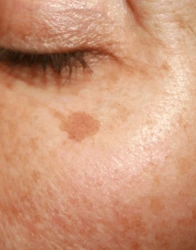
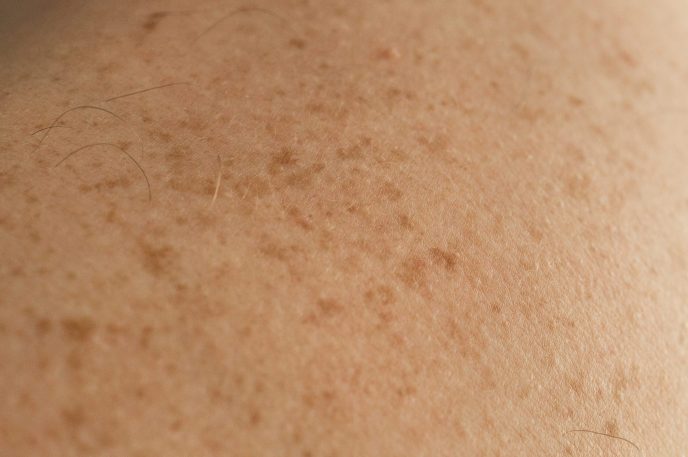
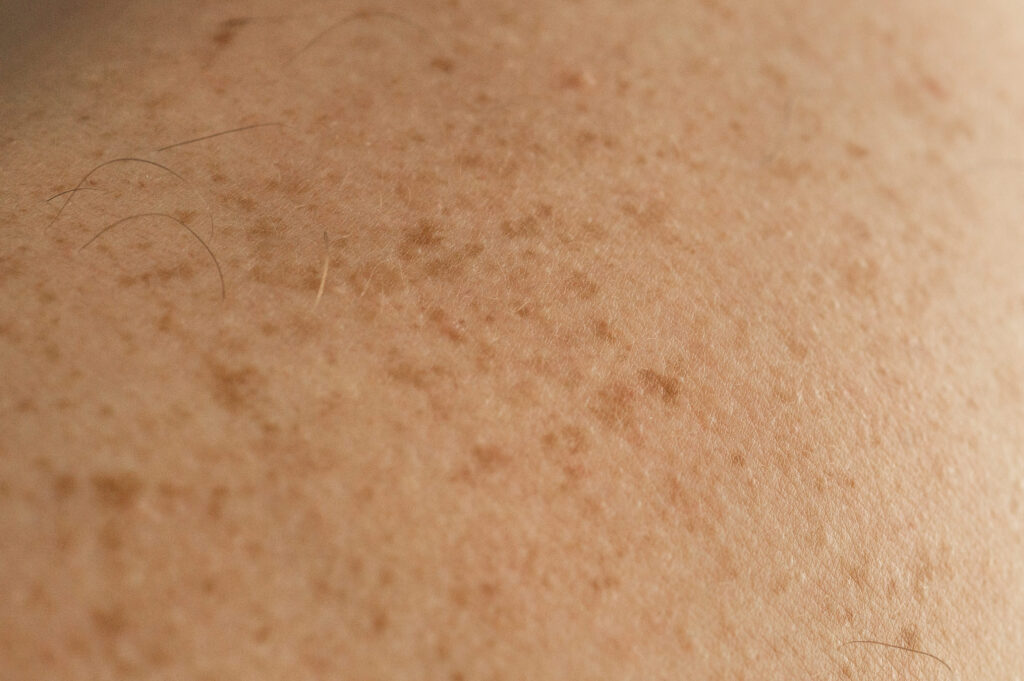
  • Epidermal Pigment (Surface Level): Melanin concentrated in the outermost layer of the skin. These typically appear as well-defined brown or tan spots — most commonly presenting as Freckles or Solar Lentigines (sunspots).
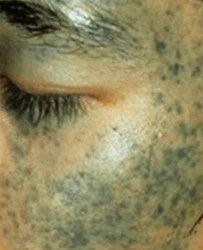
  • Dermal Pigment (Deep Level): Melanin that has settled into the deeper structural layers of the skin. These often carry a bluish-grey or slate hue with softer, more diffused edges — a pattern characteristic of conditions such as Hori’s Naevus or deep-seated Melasma.


What Causes Pigmentation? The Biological Triggers of Melanogenesis

Skin pigmentation is a complex biological response triggered by a variety of internal and external stimuli. Understanding these primary causes is the essential first step in developing an evidence-based management programme tailored to your specific skin phototype.

SUN EXPOSURE
AGEING
INFLAMMATION OR SKIN TRAUMA
HORMONAL FLUCTUATIONS
MEDICATIONS & CHEMICALS

The Types Of Pigmentation

Understanding the specific type and depth of your pigmentation is the foundation of any treatment programme that will genuinely deliver results. Pigmentation is primarily categorised by its biological depth: Epidermal (surface-level) pigment resides in the outermost layer, often appearing as well-defined brown spots, while Dermal (deep-level) pigment sits within the structural layers beneath, typically presenting with diffused edges and a bluish-grey or slate-like hue. This distinction shapes every decision in your curated regime from the treatments selected to the order in which they are applied.

MELASMA

Melasma is a type of skin condition often characterised by brown or blue-grey spots. It is more common in women and can be related to hormonal changes.

FRECKLES

Freckles, characterised by small, flat, brown spots on the skin, typically appear in sun-exposed areas. They are a benign form of pigmentation mainly induced by sun exposure, particularly in individuals with fair skin or a hereditary inclination.

PIE

(Post-Inflammatory Erythema) Flat, brown spots on the skin, known as solar lentigines or sun spots, are associated with the ageing process and prolonged exposure to sunlight. The affected areas may display a darker hue when compared to the surrounding skin, varying from light brown to black.

PIH

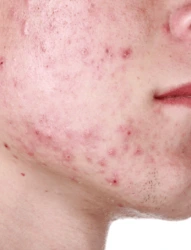
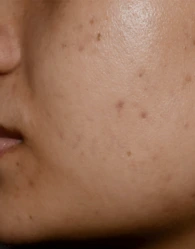
Post-Inflammatory Hyperpigmentation, often referred to as PIH, is a type of skin discoloration that arises subsequent to an inflammatory incident, such as acne, burns, or other forms of skin trauma. It is identified by the presence of darkened patches or spots on the skin.


HORI'S NEVUS

Hori’s Nevus is characterised by a unique form of pigmentation, presenting as a bluish-grey discoloration on the skin, frequently occurring symmetrically on both sides of the face. It tends to be prevalent in women and individuals with Asian heritage.

NEVUS OF OTA

Nevus of Ota is a bluish or greyish pigmentation condition affecting both the skin and the eyes. It is characterised by an excess of melanocytes, the cells responsible for determining skin colour. It’s generally present from birth and can develop further in life.

Evidence-Based Protocols for Pigmentation and Dermal Lesions

With Glowwis’ Skin Pigmentation Removal Treatment Options

At Glowwis, At Glowwis, managing pigmentation is never a surface-level pursuit. We take a multi-modal approach, with every protocol carefully calibrated to your specific skin phototype and pigment depth because what works for one patient may be entirely wrong for another. Our evidence-based treatments go beyond aesthetics to address the biological root of the concern: the melanin clusters residing within the dermal and epidermal layers.

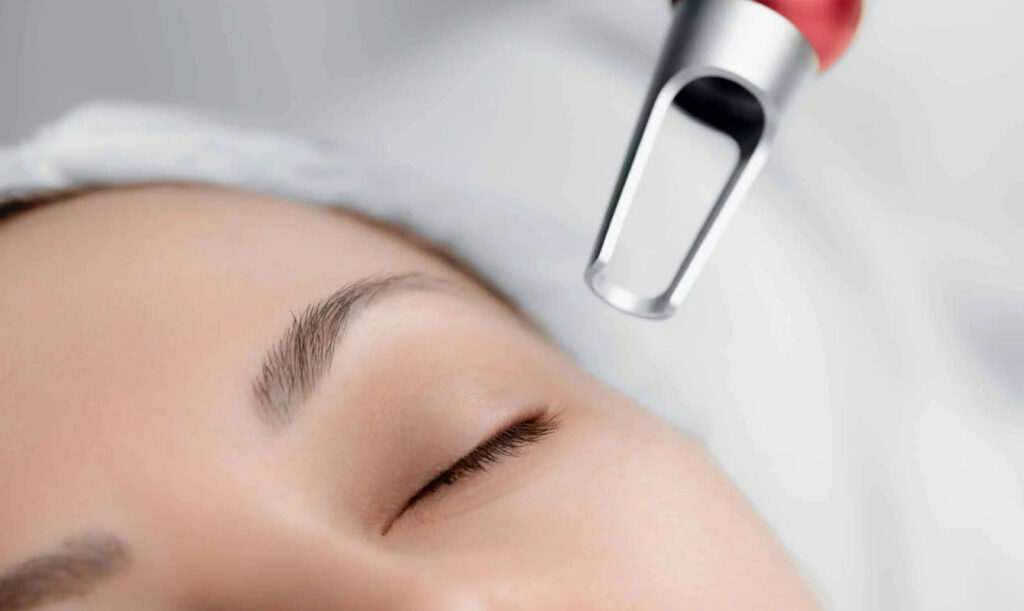
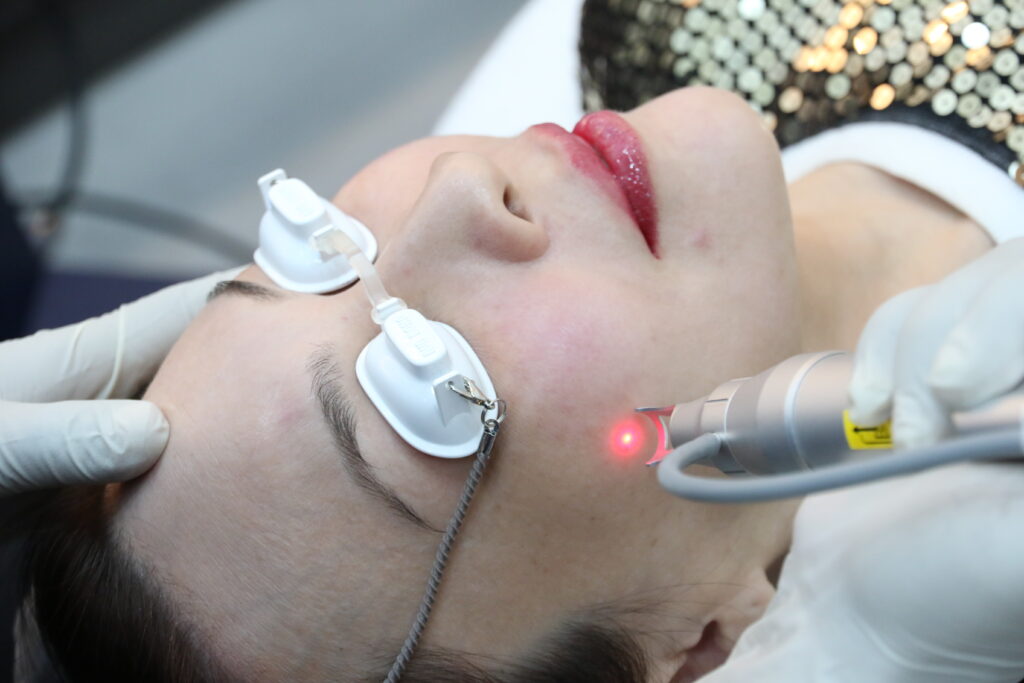
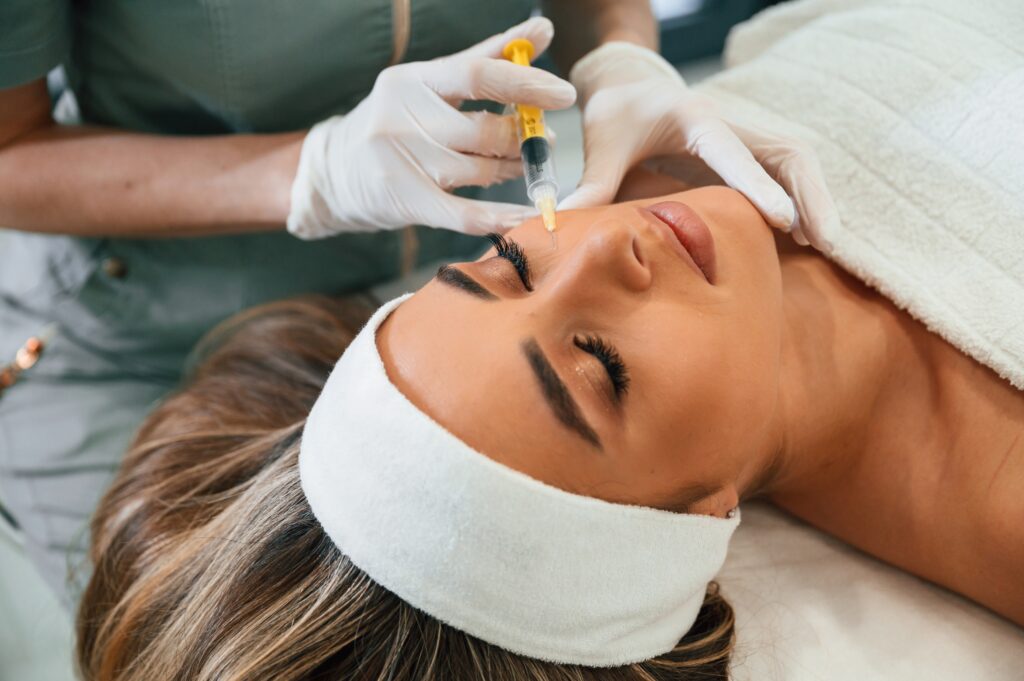
Using advanced Picosecond technology, we harness the photoacoustic effect to precisely fragment melanin into microscopic particles — without the excessive heat associated with traditional lasers. This allows the body to clear pigment naturally through the lymphatic system, while significantly reducing the risk of Post-Inflammatory Hyperpigmentation (PIH). For stubborn, complex conditions such as Melasma and Hori’s Naevus, this means a safer, more considered, and more effective path to clearer skin.

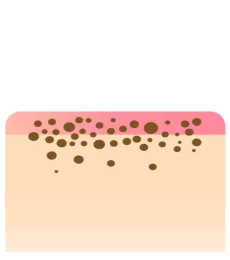
Skin Pigment
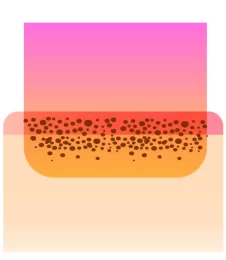
Destruction Of Pigment Via Laser
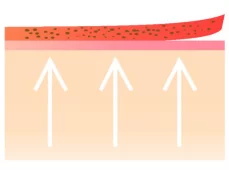
Skin Peels, Revealing A Red, Flaky Texture After The Procedure
Pigment Removed

Glowwis Pigmentation Treatment Options

Our clinical approach to pigmentation treatment in Singapore focuses on the precise fragmentation of melanin clusters using HSA-approved medical technology tailored to your specific skin phototype. By moving beyond surface-level aesthetics, we utilise evidence-based protocols that target both epidermal and dermal lesions, ensuring a safer and more effective management plan for stubborn conditions like Melasma and PIH.

start today

Get a Treatment That is Perfectly Customised for You

Dr. Sam will curate a treatment regime to help you achieve your skin goals! Book a consultation today to reveal your radiance!

HOW TO TREAT PIGMENTATION

Treating pigmentation often involves a combination of skincare products, lifestyle changes, and, in some cases, professional treatments. It’s important to note that results can vary, and it may take time to see improvement. Here are some approaches recommended by Dr Sam to treat pigmentation:

1. AVOID TRIGGERS

If your pigmentation is related to specific triggers such as certain skincare products or hormonal changes, try to avoid or manage these triggers.

2. TOPICAL TREATMENTS

Prescription retinoids, like tretinoin, can promote cell turnover and improve the appearance of pigmented skin. They should be used under the guidance of a dermatologist.

3. AVOID SUN EXPOSURE AND APPLY SUNSCREEN

Protecting your skin from the sun is important in preventing and managing pigmentation. Avoid direct sun exposure as much as possible, and always apply a broad-spectrum sunscreen with a high SPF to protect your skin from harmful UV rays.

4. CONSULT A PROFESSIONAL

If you notice persistent or worsening pigmentation, consult a qualified healthcare professional for a personalised assessment and treatment plan.

Pigmentation Treatments By Dr Sam Pradeep

Dr Sam Pradeep is the Medical Director of Glowwis Aesthetic & Medical Clinic and a fully registered practitioner with the Singapore Medical Council (SMC). With over 10 years of hands-on clinical experience, he takes a thorough, diagnosis-first approach to every patient — carefully identifying the type and depth of pigmentation before recommending anything. This means every treatment plan, whether it involves Picosecond laser, medical-grade skincare, or a combination of both, is built around your skin specifically safe, considered, and designed for lasting results.

10+ YEARS OF EXPERIENCE

HONEST & RELIABLE

QUALIFIED

Why You Should Consider Getting Pigmentation Removal In Singapore?

Prevention of Further Damage

Treating pigmentation can help prevent further damage to your skin caused by sun exposure and other environmental factors. Using skincare products with sun protection and following a consistent routine can contribute to long-term skin health.

Tailored Solutions

To reduce the severity of pigmentation, a professional can advise you on the most suitable and the most suitable treatment and approaches that are more effective than over-the-counter-products.

Addressing Underlying Issues

If pigmentation is caused by hormonal changes, medications, or other underlying conditions, seeking professional treatment can help address the root cause and provide other effective solutions.

Safe and Effective Options

When performed by trained professionals, many pigmentation treatments are safe and effective. Dermatologists can guide you on suitable options for your skin type and concerns.

meet our doctor

Dr. Sam Pradeep

Glowwis Aesthetic & Medical Clinic, Medical Director

Every patient is important to me! The most delightful aspect of my profession is to see the satisfaction of my patients and the biggest earning in my career is the patients trust on me.

Dr. Sam has many years of experience in the aesthetic medicine and has worked with industry professionals for more than a decade.

After obtaining his Bachelor of Medicine and Bachelor of Surgery (MBBS), his experience in Anaesthesia, ICU management, Chronic pain management have laid a solid foundation in understanding & managing the pain during aesthetic procedures in a safe and effective manner.

Dr. Sam’s Passion and desire in aesthetic medicine made him to work hard in mastering skills & obtaining required certifications to become an aesthetic physician.

General Habits To Prevent Pigmentation

Professional treatment is a cornerstone of lasting pigmentation management but what you do daily matters just as much. At Glowwis, we extend our care beyond the clinic by guiding each patient through a personalised maintenance protocol designed to suppress melanocyte overactivity and prevent recurrence. In Singapore’s high-UV environment, this means consistent photoprotection, medical-grade antioxidants, and targeted chemical exfoliants all selected specifically for your skin.

SUN PROTECTION

A sunscreen with SPF 30 will protect the skin from sun damage, preventing the darkening of pigmentation on the skin.

SKINCARE ROUTINE

C and E into your skincare regime

HEALTHY DIET

Consuming foods rich in nutrients and vitamins while maintaining hydration throughout the day contribute to healthier skin.

REGULAR EXFOLIATION

Alpha hydroxy acid (AHAs), beta hydroxy acid (BHA), and retinoids have the ability to promote skin regeneration and remove dead skin cells from the skin’s surface. This helps provide a gentle exfoliation to the skin.

MANAGE STRESS

Controlling your stress level by meditating, doing yoga, and performing breathing exercises will not only improve your overall health but also mental well-being.

The Effectiveness Of Customisation At Glowwis Aesthetic & Medical Clinic: Tailored Solutions That Deliver Results

Treatments curated according to skin types & concerns
Tailored by MOH-certified doctor with over 10 years of experience
Comprehensive skin analysis & treatments

talk to our team

Fill up the form and we will get back to you as soon as possible.


    AFFORDABLE SELECTION

    Integrated Clinical Solutions: Complementary Dermatological Procedures

    At Glowwis, treatment is a cornerstone of lasting pigmentation management but what you do daily matters just as much. At Glowwis, we extend our care beyond the clinic by guiding each patient through a personalised maintenance protocol designed to suppress melanocyte overactivity and prevent recurrence. In Singapore’s high-UV environment, this means consistent photoprotection, medical-grade antioxidants, and targeted chemical exfoliants all selected specifically for your skin vitality.

    Frequently Asked Questions (FAQs)

    Can pigmentation on the skin be removed permanently?

    Each treatment caters to different skin types, concerns, and goals. Our doctor will conduct a comprehensive skin analysis for each of our patients to determine the most suitable pigmentation removal in Singapore that matches their needs and goals best.

    Are pigmentation removal treatments painful?

    There will be minimal to no pain. Those with higher sensitivity may experience a slight prickling sensation. However, it is tolerable. To minimise any discomfort, our specialists will apply numbing cream before the procedure. Many patients who choose Pigmentation Removal In Singapore find the process comfortable and manageable with these precautions.

    Can topical skincare help diminish the pigmentation?

    While we encourage you to practise a good skincare regimen, it’s crucial to note that skin pigmentation issues occur in the deeper layers of the skin and require professional assessment and care in order to address them.

    Can every pigmentation removal treatment suit all skin types?

    Every treatment focuses on a distinct set of issues and goals. Our doctor will conduct a comprehensive skin analysis for each of our patients to decide the most suitable treatment.

    What is the expected recovery time after a pigmentation treatment in Singapore?

    Most modern laser protocols involve minimal social downtime, with patients typically experiencing mild redness similar to a slight sunburn for 24 to 48 hours. Our clinic provides specific post-procedure recovery kits to support the skin’s natural healing process, ensuring you can return to your daily routine while effectively managing your melanin clearance.

    How many sessions are typically required for an effective pigmentation treatment?

    The number of sessions depends entirely on the biological depth and type of pigment identified during your clinical assessment. While epidermal spots may show significant lightening in 1 to 3 sessions, deep-seated dermal conditions usually require a structured management programme of 5 to 10 sessions to achieve optimal and lasting results.

    Can I undergo a pigmentation treatment in Singapore if I have a naturally darker skin tone?

    Yes, but it requires a specialised approach; Asian skin types are more prone to Post-Inflammatory Hyperpigmentation (PIH) if the wrong laser parameters are used. Dr Sam Pradeep utilises HSA-approved Picosecond technology with specific wavelengths designed to fragment melanin safely without overheating the surrounding tissue, making it a viable and safe option for various skin phototypes.