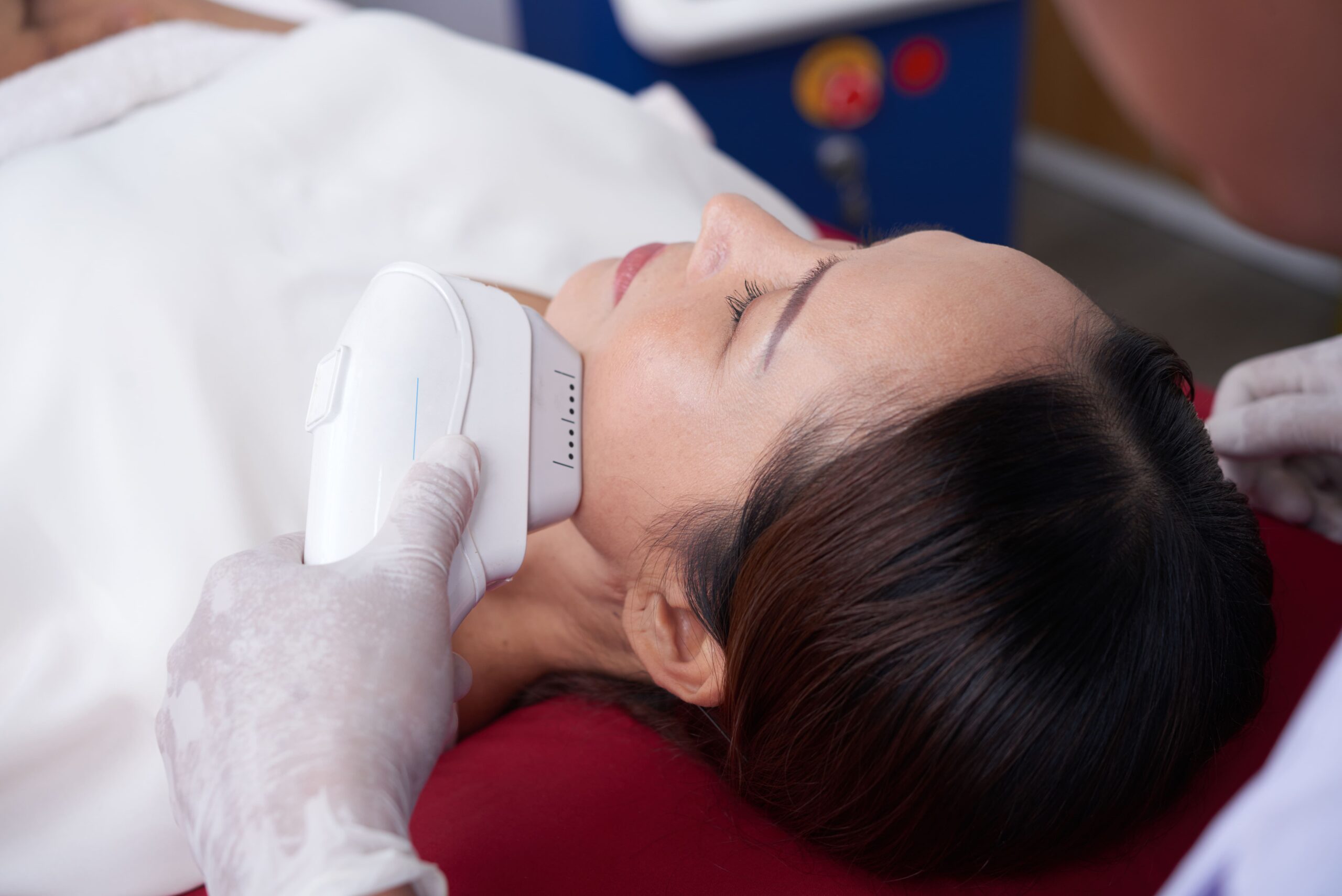
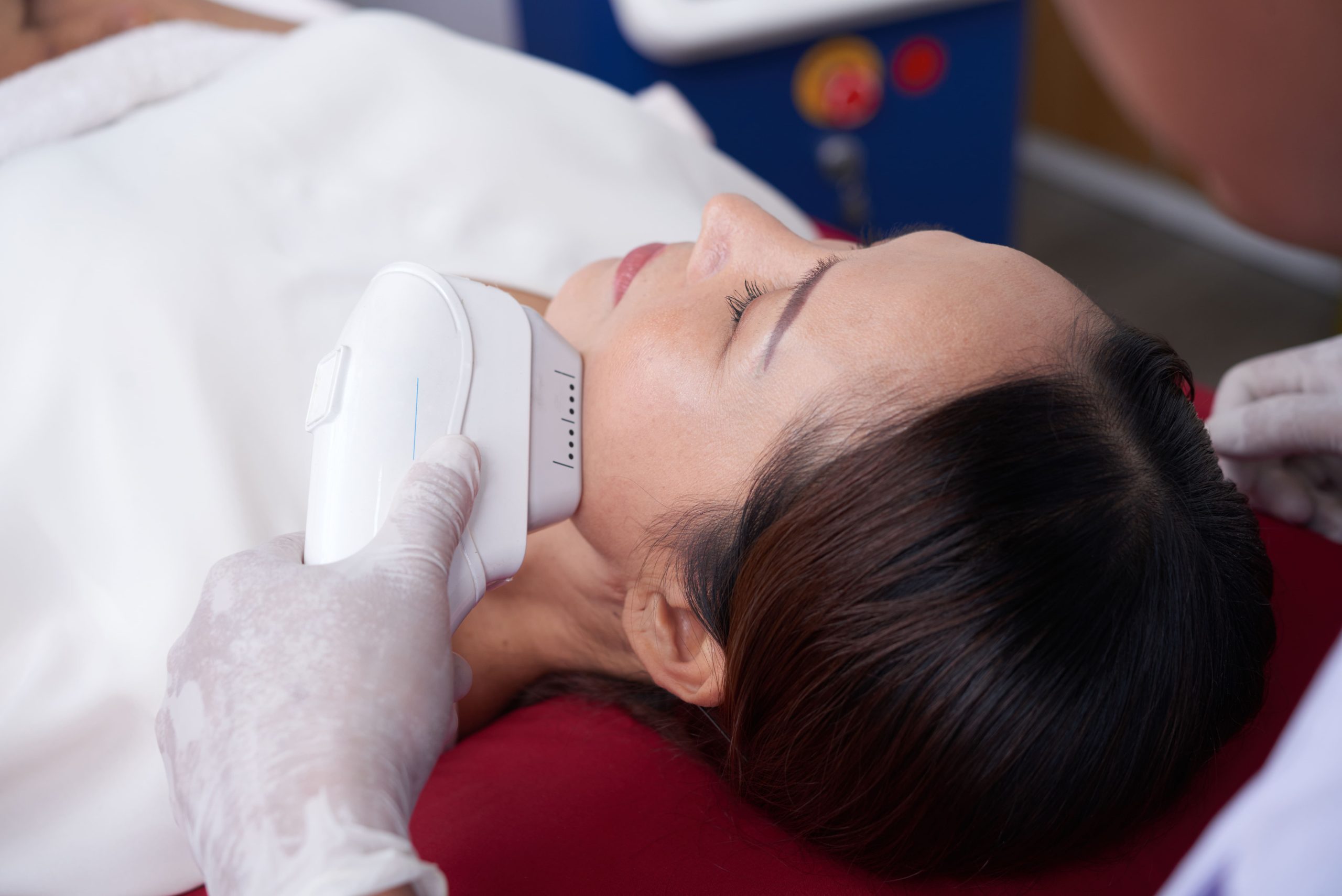
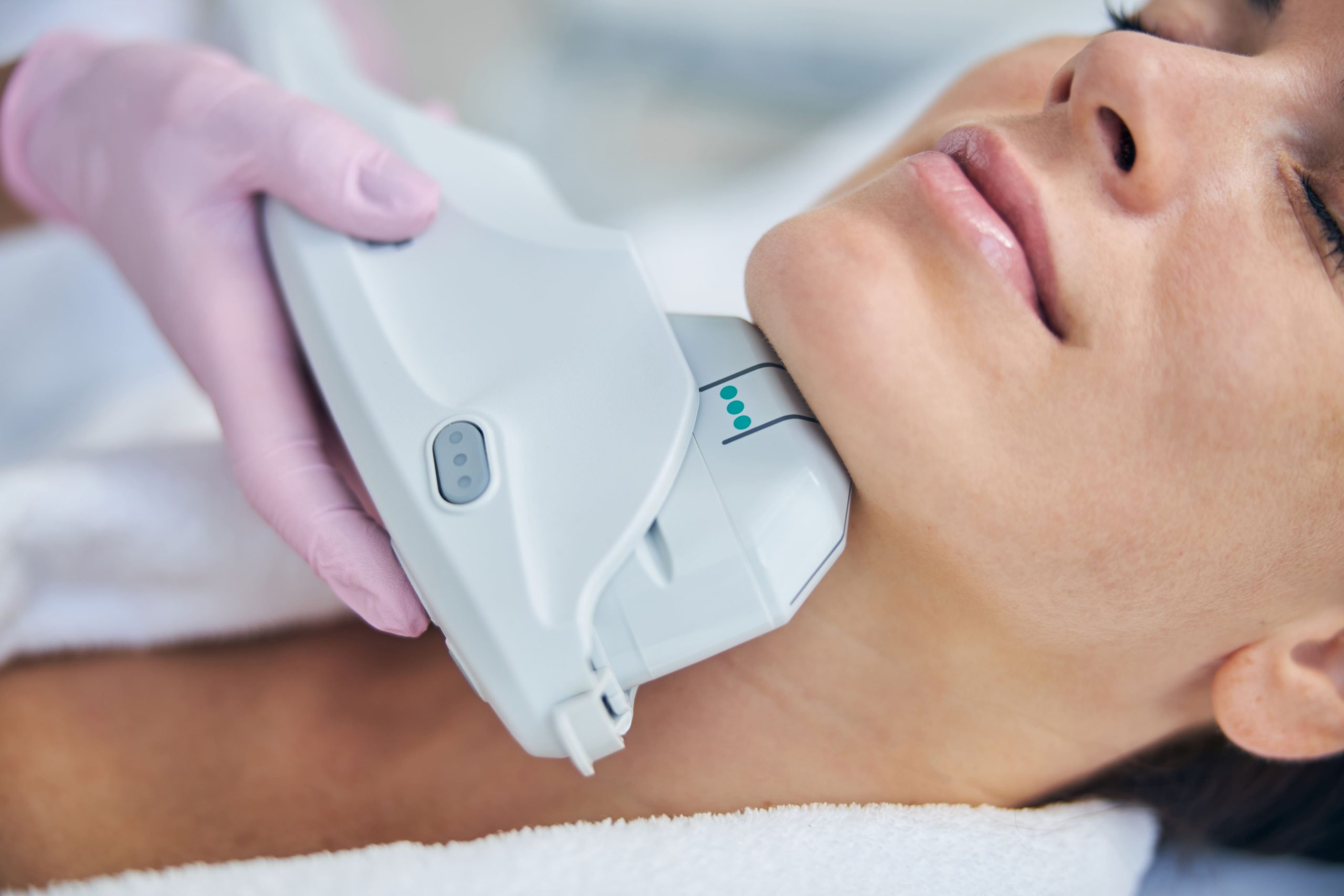
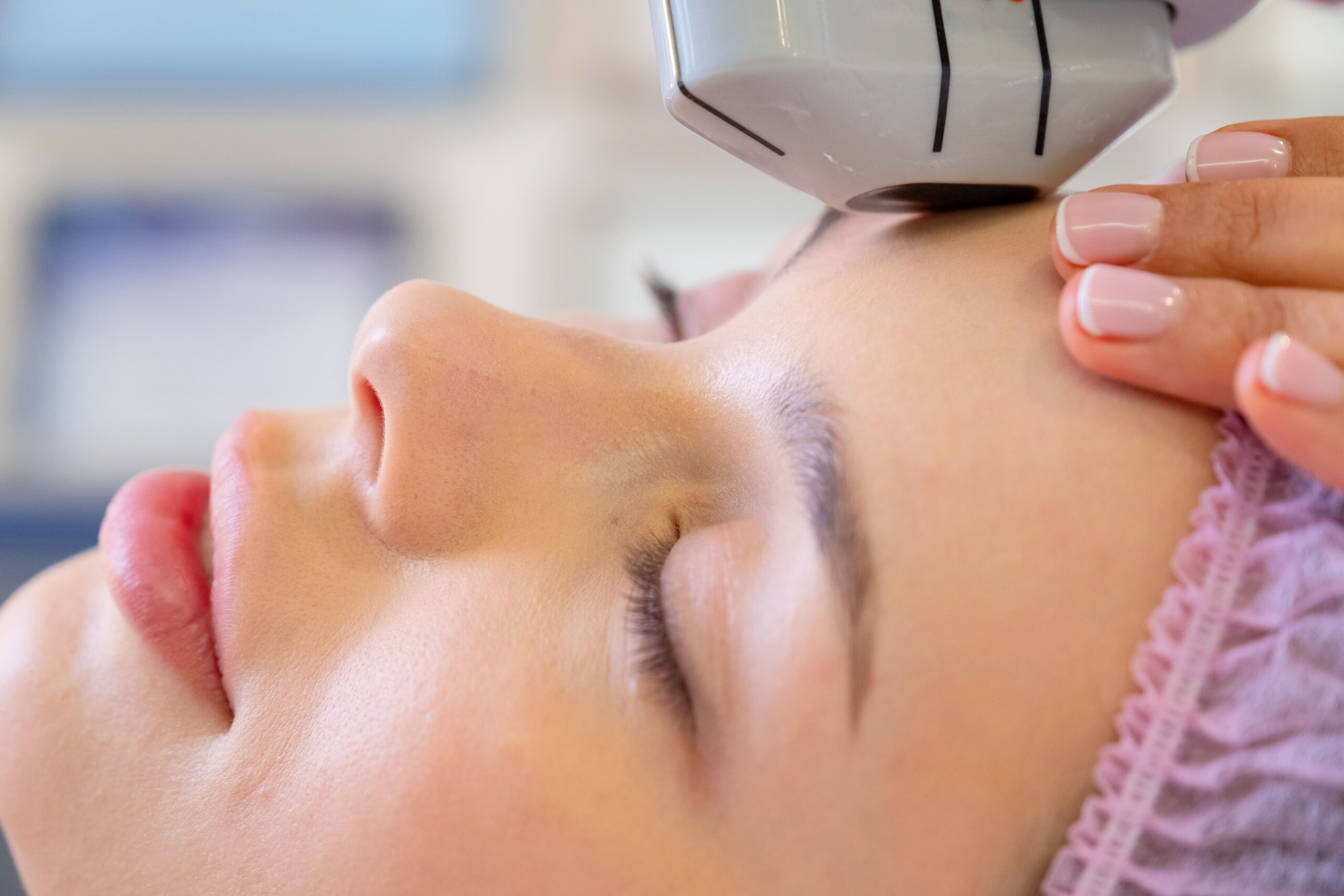
High-Intensity Focused Ultrasound (HIFU) is a non-invasive procedure used in Singapore for skin tightening and facial contouring. The technology delivers ultrasound energy to specific depths beneath the skin surface, aiming to induce thermal coagulation in the tissue. This process is intended to stimulate the body’s natural collagen production over time.
The treatment addresses skin laxity (looseness) along the jawline, submental region (area under the chin), and brow area through controlled thermal coagulation points (small areas where tissue is heated to trigger healing). These micro-injuries stimulate the body’s wound healing response. This produces new collagen fibres over the following months. Patients typically notice initial tightening from tissue contraction immediately. Progressive improvement continues for up to several months as collagen synthesis peaks.
HIFU has gained traction in Singapore’s aesthetic landscape for patients seeking lifting effects without surgery, injectable fillers, or significant recovery time.
The Science Behind Ultrasound Skin Tightening
HIFU technology concentrates ultrasound waves at specific tissue depths. This works similarly to how a magnifying glass focuses sunlight. At the focal point, temperatures reach elevated levels. This causes immediate protein denaturation (structural change) and tissue coagulation. The surrounding tissue remains unaffected because energy disperses outside this precise zone.
Three tissue depths matter for facial contouring:
- Superficial depth: Targets the superficial dermis (upper layer of skin beneath the surface) for fine lines and skin texture
- Moderate depth: Reaches the deep dermis where collagen density determines skin firmness
- Deep penetration: Penetrates the SMAS (superficial muscular aponeurotic system), the same fibromuscular layer surgeons manipulate during facelift procedures
The SMAS layer functions as the structural foundation of facial soft tissue. By creating thermal coagulation points within this layer, HIFU initiates contraction and subsequent neocollagenesis (production of new collagen). This lifts the overlying skin.
Real-time ultrasound imaging during treatment allows practitioners to visualise tissue layers and confirm energy delivery depth. This imaging capability distinguishes medical-grade HIFU devices from purely aesthetic machines. It enables precise targeting whilst avoiding bone, blood vessels, and nerves.
Treatment Areas and Applications
Lower Face and Jawline
The jawline and jowl area respond to HIFU because the SMAS layer is accessible. Skin laxity here creates visible laxity. Treatment creates a more defined jaw angle and reduces the appearance of early jowling (descent along the lower jawline). The submental region (under the chin) can show improved contour. Patients with significant submental fat may require combination approaches.
Midface and Cheeks
Midface treatment addresses the descent of the malar fat pads—the soft tissue volume that creates youthful cheek projection. HIFU cannot replace lost volume. However, tightening the supportive tissue can improve the position of existing soft tissue. Nasolabial folds (lines running from the nose to the corners of the mouth) may appear less pronounced as the surrounding skin tightens.
Brow and Periorbital Region
HIFU applied to the forehead and brow area can achieve a subtle brow elevation. While the effect is modest compared to a surgical brow lift, the treatment’s cost-effectiveness, procedural efficiency, and minimal downtime offer significant advantages for patients. It can help open the eye area for those experiencing early brow ptosis (descent), and for safety, the treatment carefully avoids the orbital rim and eye socket.
Neck
Neck skin tightening addresses horizontal neck lines and vertical banding. The platysma muscle (a broad, thin muscle in the neck) responds to HIFU energy. Treatment requires careful technique to avoid the thyroid gland, major vessels, and trachea.
The Treatment Process
Pre-Treatment Assessment
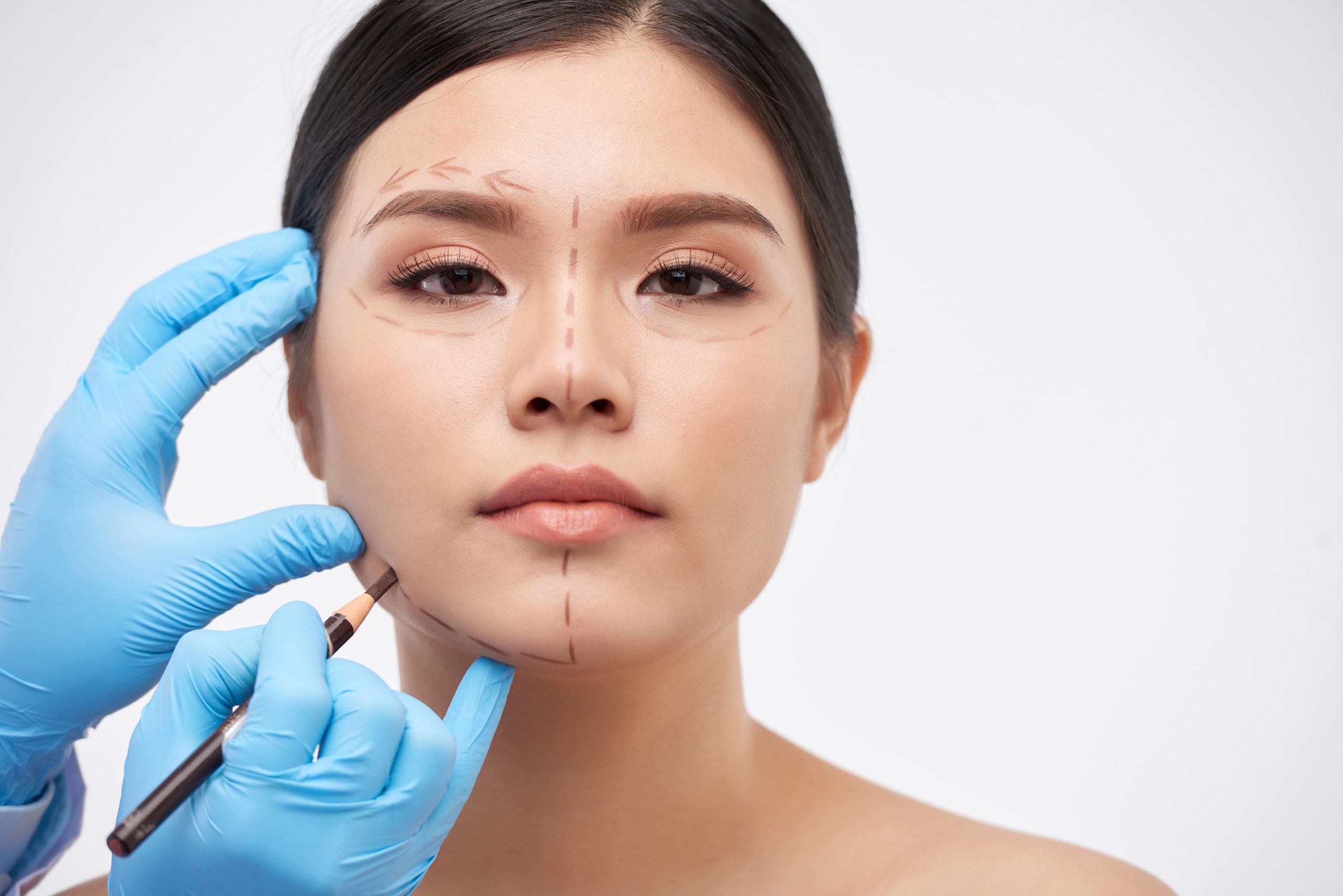
Your aesthetic specialist evaluates skin laxity grade, fat distribution, and bone structure to determine candidacy and realistic outcomes. Photographs document baseline appearance for comparison. Medical history review identifies contraindications (conditions that make treatment unsuitable). These include:
- Pregnancy
- Metal implants in the treatment area
During your consultation, it’s important to inform your specialist about any medications you’re currently taking and existing medical conditions. Certain factors may affect treatment suitability or require special considerations. Your practitioner will discuss any relevant contraindications during this assessment to ensure the procedure is appropriate for you.
During the Procedure
- Treatment begins with ultrasound gel application and skin mapping
- The handpiece delivers focused ultrasound energy in a grid pattern across each treatment zone
- Patients feel intermittent sensations ranging from warmth to brief, sharp discomfort as energy reaches deeper layers—this indicates effective SMAS targeting
A full-face treatment typically requires a moderate duration; for instance, delivering an average of 800 shots can take approximately 20 to 30 minutes, though the exact timeframe depends on the specific device brand and treatment parameters. The total duration also varies based on the areas covered and the number of energy lines delivered. Clinics generally offer topical numbing cream or oral analgesics to manage comfort for patients with higher sensitivity.
Immediate Aftercare
Mild redness and warmth resolve within hours. Some patients experience temporary tingling, tenderness, or slight swelling lasting several days. Normal activities resume immediately—there is no downtime requiring social withdrawal.
? Did You Know?
The SMAS layer was first described in the mid-1970s and revolutionised facelift surgery by providing a deeper structural layer to reposition.
Clinical Observations and Timeline
The response to HIFU treatment is gradual and varies between individuals.
Immediate Phase: Some patients may notice a slight tightening sensation due to immediate thermal contraction of collagen fibres.
Remodelling Phase: The production of new collagen (neocollagenesis) typically takes place over 3 to 6 months.
Longevity: Clinical observations suggest effects may be maintained for approximately 12 months. However, individual results vary based on the patient’s skin condition and the natural ageing process.
Candidacy and Limitations
Ideal Candidates
HIFU works for patients with mild-to-moderate skin laxity who notice:
- Early jowling
- Softened jawline definition
- Brow heaviness
Skin should retain some elasticity—the tissue must be capable of responding to collagen stimulation.
Age alone does not determine candidacy. A younger patient with significant sun damage and poor skin quality may respond less favourably than an older patient with minimal photodamage and good tissue elasticity.
Who May Not Be Suitable
If you have metal implants in the facial region, it is essential to inform your doctor before the procedure. Your practitioner will assess the location and type of implant to provide appropriate clinical advice.
Additionally, if you are pregnant, it is recommended to avoid all non-urgent aesthetic procedures. This precaution is taken due to the lack of clinical research data regarding the safety of such procedures during pregnancy.
⚠️ Important Note
HIFU is specifically designed to address skin laxity. There is a distinct clinical advantage to combining HIFU with other modalities when addressing complex concerns such as severe facial volume loss, deep static or dynamic wrinkles, or significant excess skin. You may discuss a personalised, comprehensive treatment plan with your doctor to improve your specific concerns by combining HIFU with other treatment protocols.
Comparing HIFU to Other Treatments
HIFU vs. Radiofrequency Treatments
Radiofrequency (RF) energy heats tissue volumetrically rather than at focal points. This creates more superficial thermal effects. RF treats the dermis effectively but cannot reach the SMAS depth. For patients primarily concerned with skin texture, pores, or superficial laxity, RF may be an option. HIFU addresses deeper structural laxity.
HIFU vs. Thread Lifts
Thread lifts provide immediate mechanical lifting through dissolvable sutures. Results vary over time as the threads gradually release and are absorbed.
HIFU takes a different approach—it stimulates your body’s natural collagen production rather than relying on physical materials. Results develop progressively as new collagen forms, addressing the underlying cause of laxity.
HIFU vs. Surgical Facelift
Surgery offers more dramatic results for significant skin excess. HIFU suits those with mild to moderate laxity who prefer gradual improvement without surgery’s recovery time. It can also help maintain previous surgical results.
What Our Aesthetic Specialist Says
Patient selection determines HIFU outcomes more than any other factor. During consultation, we assess not just the degree of laxity but the quality of existing collagen, the presence of photodamage, and whether the patient’s concerns align with what HIFU can realistically achieve. Setting appropriate expectations, modest lifting rather than surgical transformation, leads to higher satisfaction rates.
Maximising Your HIFU Results
- Maintain consistent sun protection using broad-spectrum sunscreen daily. UV exposure degrades both existing and newly formed collagen.
- Support collagen synthesis through adequate protein intake and vitamin C. Vitamin C serves as a cofactor (a substance needed for a biological process to occur) for collagen production.
- Consider combination protocols if multiple concerns exist. Addressing texture issues with treatments like RF microneedling for boxcar scars, whilst using HIFU for laxity, creates comprehensive rejuvenation.
- Follow recommended treatment intervals for maintenance sessions based on your individual response and ageing progression.
- Document your results with consistent lighting and positioning to accurately assess changes over the months following treatment.
Commonly Asked Questions
How painful is HIFU treatment?
Discomfort varies by treatment area and individual sensitivity. Most patients describe intermittent sharp sensations lasting fractions of a second, interspersed with warmth. Discomfort indicates energy reaching the target depth and typically remains tolerable with topical anaesthesia.
How many HIFU sessions do I need?
Most patients achieve satisfactory results from a single treatment. Maintenance sessions typically occur every year or so. Those with more significant laxity may benefit from a second treatment in several months. Your aesthetic specialist can provide personalised recommendations based on your individual response and goals.
Can HIFU replace a facelift?
HIFU doesn’t replicate surgical results but offers a non-surgical option for mild to moderate laxity. Many patients choose HIFU to delay surgery, maintain a natural appearance, or sustain previous facelift results over time.
What’s the difference between medical-grade and beauty salon HIFU?
Medical-grade devices deliver higher energy levels and reach SMAS depth. Salon devices often use lower energy settings limited to superficial layers. Medical settings also ensure proper patient selection, sterile technique, and management of any adverse effects.
Can HIFU be combined with other treatments?
Yes, combination protocols are common. HIFU for lifting can be paired with:
- RF microneedling for boxcar scars and texture improvement
- Neuromodulators (such as botulinum toxin injections) for dynamic wrinkles
- Fillers for volume restoration
Your aesthetic specialist can sequence treatments appropriately based on your comprehensive treatment plan.
Note on Clinical Standards and Regulation
In Singapore, it is important for patients to distinguish between medical-grade and salon-based HIFU systems:
- Regulatory Classification: Medical-grade HIFU systems are regulated medical devices calibrated for clinical precision. These systems are designed to reach specific tissue depths, such as the SMAS layer, with consistent energy delivery. In contrast, equipment found in beauty salons is intended for general aesthetic maintenance and operates under different power parameters.
- Professional Qualifications: In accordance with health guidelines, medical-grade HIFU procedures may only be performed by registered medical practitioners who hold a specific Certificate of Competence (COC). Non-medical grade systems are utilised by aesthetic therapists in a non-clinical setting.
- Clinical Outcomes and Pricing: Due to differences in technology, safety protocols, and professional clinical oversight, both the standard of results and the duration of effects will vary. Pricing for medical-grade HIFU reflects the clinical grade of the equipment, the doctor’s expertise, and the required medical standards of care.
Next Steps
HIFU targets the SMAS layer, the same structural foundation manipulated during surgical facelift, using focused ultrasound energy. Professional assessment determines whether your skin laxity matches HIFU’s capabilities and establishes realistic treatment outcomes.
If you experience progressive jawline laxity, early jowling, or brow heaviness, consult a qualified aesthetic specialist to evaluate whether HIFU suits your facial structure and rejuvenation goals.