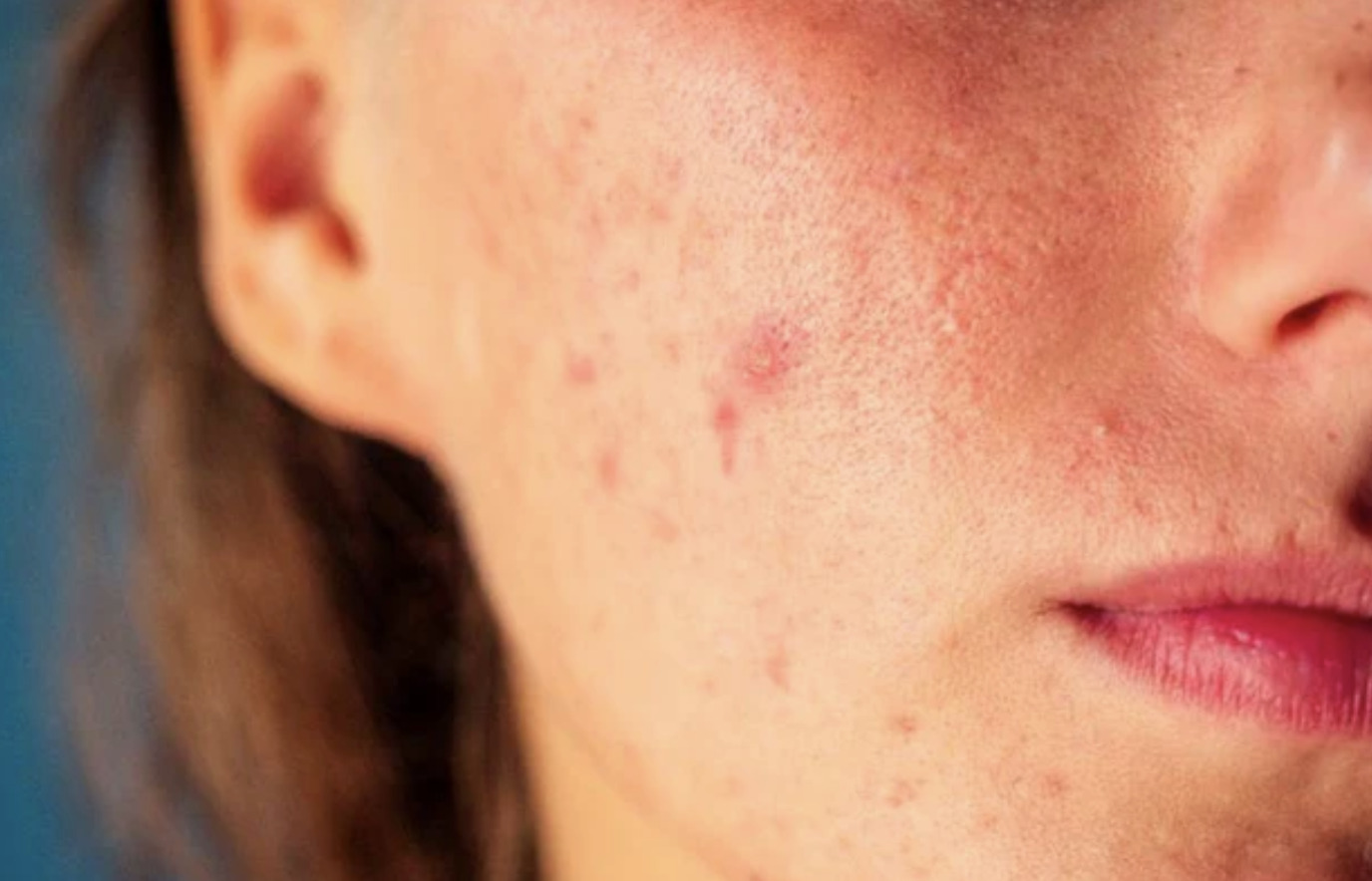
Papules appear as small, raised red bumps on your skin without visible pus or whiteheads. These inflammatory acne lesions develop when hair follicles become clogged with dead skin cells and excess oil, triggering your immune system to respond with inflammation. Unlike blackheads or whiteheads, papules are firm to the touch and often occur in clusters on the face, chest, and back.
The distinction between papules and other acne types determines your treatment approach. Pustules contain visible pus, while papules remain solid red bumps. Nodules form deeper in the skin and feel larger and harder than papules. Comedones (blackheads and whiteheads) lack the inflammation that characterises papules.
How Papules Form in Your Skin
Papule formation begins when sebaceous glands produce excess oil that mixes with dead skin cells inside hair follicles. This combination creates an ideal environment for Cutibacterium acnes bacteria to multiply. Your immune system detects these bacteria and sends white blood cells to fight the infection, causing the characteristic redness and swelling of papules.
The inflammatory cascade involves multiple factors working together. Androgens stimulate sebaceous glands to produce more sebum, whereas abnormal keratinisation causes skin cells to adhere instead of shedding normally. This process blocks the follicle opening, trapping bacteria inside. The resulting inflammation damages surrounding tissue, which explains why papules sometimes leave marks even after healing.
Environmental factors accelerate papule formation. High humidity increases oil production, while certain cosmetics and hair products contain pore-clogging ingredients. Friction from clothing, phone screens, or hands can transfer bacteria and irritate existing lesions. Dietary factors such as high-glycemic foods may exacerbate inflammation in some individuals, although responses vary significantly among patients.
Topical Treatments for Papules
Benzoyl peroxide remains a cornerstone of papule acne treatment due to its antibacterial properties and ability to reduce inflammation. Start with 2.5% concentration applied once daily, gradually increasing to twice daily as tolerated. Apply a thin layer to clean, dry skin, avoiding the eye area and lips. Initial dryness and mild peeling typically resolve within two weeks of consistent use.
Retinoids such as adapalene normalize skin cell turnover and prevent the formation of new papules. Begin application every other night for two weeks, then increase to nightly use. Apply a pea-sized amount to your entire face, not just visible papules. The “retinoid purge” may temporarily exacerbate breakouts during weeks 3-6 before significant improvement is observed. Combine with moisturizer to minimize irritation.
Salicylic acid penetrates oil-filled pores to dissolve debris and reduce inflammation. Use 0.5-2% concentration in cleansers or leave-on treatments. This beta-hydroxy acid works particularly well for papules accompanied by blackheads. Apply after cleansing but before other treatments. Some patients experience better results alternating salicylic acid with benzoyl peroxide or retinoids rather than using multiple actives simultaneously.
? Did You Know?
Benzoyl peroxide can bleach fabric, so use white towels and pillowcases during treatment. Apply medications at least 20 minutes before bedtime to prevent transfer to bedding.
Oral Medications for Persistent Papules
Oral antibiotics are used to treat inflammation and bacterial overgrowth when topical treatments are insufficient. Doxycycline and minocycline exert anti-inflammatory effects in addition to their antibacterial effects. Treatment typically continues for 3-4 months, with many patients seeing improvement within 6-8 weeks. Take medications with food to minimize stomach upset, and use sun protection as these drugs increase photosensitivity.
For female patients, hormonal treatments address underlying androgen imbalances that trigger excess oil production. Combined oral contraceptives containing ethinyl estradiol with norgestimate or drospirenone show particular efficacy for papular acne. Spironolactone blocks androgen receptors in sebaceous glands, reducing oil production. These medications require 3-6 months for full effect and ongoing use to maintain results.
Isotretinoin may provide a long-term solution for severe or treatment-resistant papular acne. This vitamin A derivative reduces sebaceous gland size and normalizes skin cell turnover. The typical course lasts 4-6 months, with dosing based on body weight. Monthly monitoring includes liver function tests and lipid panels. Female patients require two forms of contraception due to severe birth defect risks.
⚠️ Important Note
Never combine oral antibiotics with isotretinoin, as this increases intracranial pressure risk. Always inform your doctor about all medications and supplements you’re taking.
Professional Treatments at Aesthetic Clinics
Chemical peels using salicylic or glycolic acid accelerate papule resolution by removing damaged skin layers and reducing inflammation. Professional-strength peels penetrate more deeply than at-home products and require trained application. Most patients need 4-6 treatments spaced 2-4 weeks apart. Mild redness and peeling last 3-5 days post-treatment. Avoid sun exposure and use gentle skincare during the healing phase.
LED light therapy targets acne-causing bacteria and reduces inflammation without chemicals or downtime. Blue light (415nm) destroys C. acnes bacteria, whereas red light (630nm) reduces inflammation and promotes healing. Sessions last 15-20 minutes, performed twice weekly for optimal results. Many patients combine LED therapy with topical treatments for enhanced efficacy.
Corticosteroid injections rapidly reduce the size of individual inflammatory papules within 24-48 hours. The dermatologist injects diluted triamcinolone directly into the lesion using a fine needle. This treatment works for large, painful papules that don’t respond to topical medications. Temporary skin indentation may occur but typically resolves within weeks. Reserve this option for particularly stubborn lesions rather than widespread papular acne.
Daily Skincare Routine for Papule Management
Morning routines should focus on gentle cleansing and protection. Use lukewarm water with a fragrance-free, non-comedogenic cleanser containing salicylic acid or benzoyl peroxide. Pat dry with a clean towel—never rub. Apply treatment products to clean skin, starting with the thinnest consistency. Follow with oil-free moisturizer containing niacinamide to reduce inflammation. Finish with broad-spectrum SPF 30 or higher, as many acne treatments increase sun sensitivity.
Evening routines allow for more intensive treatment application. Double cleanse if wearing makeup or sunscreen, using micellar water or cleansing oil first, followed by your regular cleanser. Apply a retinoid or prescribed topical medication to completely dry skin; waiting 20 minutes after washing reduces the risk of irritation. Layer hydrating serums or moisturizers over treatments to maintain skin barrier function.
Product selection requires careful ingredient evaluation. Avoid coconut oil, lanolin, and mineral oil in skincare products. Choose “non-comedogenic”- labeled items, although this term lacks a regulatory definition. Gel- or serum-textured products typically work better than heavy creams for acne-prone skin. Introduce new products individually, waiting two weeks between additions to identify potential triggers.
✅ Quick Tip
Keep a skincare diary noting products used and skin response. This helps identify triggers and track improvement patterns over time.
Managing Scarring and Post-Inflammatory Marks
Post-inflammatory erythema (PIE) appears as red or pink discoloration after papules have healed. These flat discolorations result from dilated capillaries and typically fade within 6-12 months. Vitamin C serums containing L-ascorbic acid or sodium ascorbyl phosphate help strengthen blood vessel walls and reduce redness. Apply a 10-20% concentration daily under sunscreen.
Post-inflammatory hyperpigmentation (PIH) creates brown or dark spots, particularly in darker skin tones. Melanin production increases during inflammation, leaving persistent discoloration. Ingredients like azelaic acid, kojic acid, and alpha arbutin inhibit excess melanin formation. Hydroquinone provides stronger lightening effects but requires medical supervision. Consistent sun protection prevents darkening of existing marks.
Textural scarring requires professional intervention once active papules resolve. Microneedling stimulates collagen production to fill shallow scars. Fractional laser resurfacing removes damaged skin layers while promoting regeneration. Subcision releases tethered scar tissue for rolling scars. Most procedures require multiple sessions with several weeks between treatments. Begin scar treatment only after achieving consistent acne control.
What Our Aesthetic Doctor Says
Patients often expect immediate results from papule acne treatment, but skin renewal takes time. At a medical aesthetic clinic in Singapore, the typical treatment hierarchy begins with prescription-strength topical agents for 8–12 weeks before considering oral medications. I emphasize consistency over intensity—using products correctly matters more than using multiple strong ingredients simultaneously.
Combination therapy yields better outcomes for most patients. We might pair a retinoid with benzoyl peroxide, using one in the morning and one at night. For inflammatory papules, adding oral antibiotics during the first few months helps achieve faster control while topical agents take effect.
The most significant mistake I see is abandoning treatment too early or repeatedly switching products. Skin requires at least 6–8 weeks to show significant improvement. Document your progress with photos under consistent lighting to objectively track changes. Many patients don’t realize they’re improving until they compare photos from the start of treatment.
Putting This Into Practice
- Establish morning and evening routines using gentle, non-comedogenic products with active ingredients targeted to papular acne
- Apply treatments to entire acne-prone areas, not just visible papules, to prevent new lesions from forming
- Track your skin’s response with weekly photos taken in the same lighting to objectively monitor progress
- Modify lifestyle factors by changing pillowcases twice weekly, disinfecting phones daily, and avoiding touching your face
- Schedule follow-up appointments every 4-6 weeks initially to adjust treatments based on response and tolerance
When to Seek Professional Help
- Papules persist despite 8-12 weeks of consistent over-the-counter treatment
- New papules form faster than existing ones heal
- Scarring or dark marks develop from healed papules
- Pain or tenderness accompanies papular breakouts
- Papules spread to the chest, back, or shoulders
- Emotional distress or social anxiety results from acne
- Over-the-counter products cause excessive dryness, burning, or irritation
Commonly Asked Questions
How long does papule acne treatment typically take to show results?
Initial improvement appears within 4-6 weeks of consistent treatment, with significant clearing by 12 weeks. Complete resolution may require 3-6 months, depending on severity and treatment type. Prescription medications generally work faster than over-the-counter options, though individual responses vary.
Can I extract papules at home, as with blackheads?
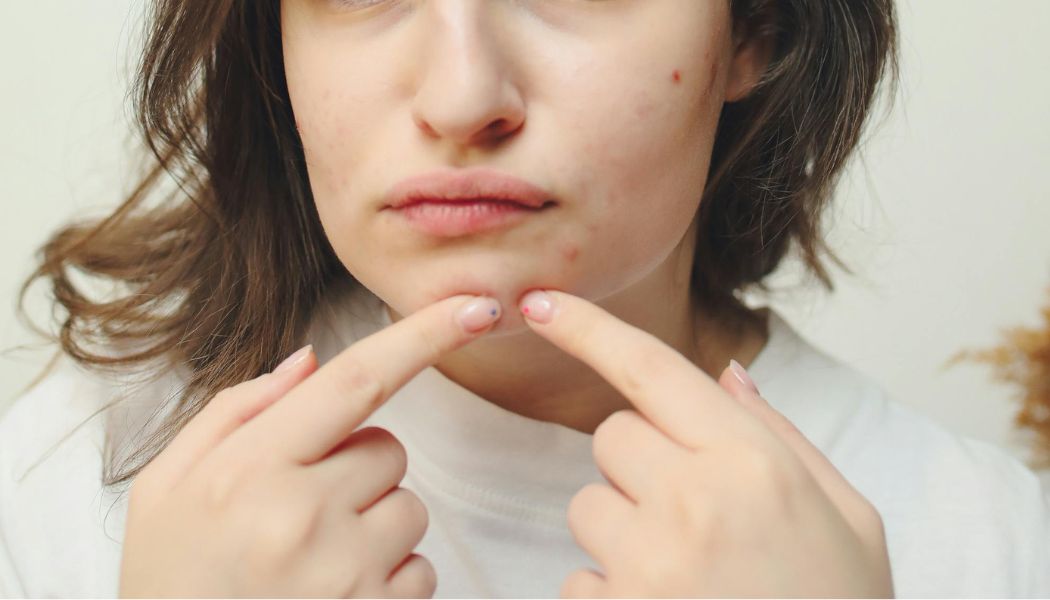
Never attempt to extract papules yourself. Unlike blackheads, papules lack an opening and contain inflamed tissue rather than extractable material. Squeezing forces bacteria deeper, potentially creating nodules or cysts and increasing the risk of scarring. Professional extraction by trained aestheticians remains the safe option.
Should I stop all skincare products when starting papule treatment?
Continue basic cleansing and moisturization while gradually introducing acne treatments. Stop products containing oils, fragrances, or known comedogenic ingredients. Maintain sunscreen use; select mineral-based formulas if chemical sunscreens cause irritation. Simple routines often work better than complex regimens during active treatment.
Why do papules keep forming in the same spots?
Recurring papules indicate ongoing inflammation in specific follicles. Previous damage may result in enlarged pores that are prone to re-clogging. Hormonal fluctuations can trigger cyclical breakouts in hormone-sensitive areas like the jawline. Consistent treatment prevents re-inflammation while allowing complete healing.
Can dietary changes help reduce papules?
Some patients notice improvement by reducing high-glycemic foods and dairy products. Omega-3 fatty acids from fish or supplements may decrease inflammation. Adequate water intake supports skin health, while zinc supplementation shows modest benefits. Individual dietary triggers vary, making food diaries helpful for identifying patterns.
Can papules be safely treated at home, or do they require clinical intervention?
While minor congestion may resolve with topical care, deeper inflammatory lesions should be managed by a professional to avoid scarring. For inflammatory lesions that do not respond to topical therapy, an Acne Removal Treatment performed in a clinical setting can help to clear pores and reduce the risk of further infection. This typically involves specialised extractions or clinical peels that are safer than manual squeezing.
If my papules leave a mark, can the skin texture be repaired?
Yes, although the priority is to control active inflammation, residual marks or indentations can be addressed later. Early intervention is key to preventing long-term skin damage; however, if marks persist, options for Acne Scar Treatment in Singapore can help restore the skin’s surface. These treatments typically involve laser therapy or microneedling to stimulate collagen and smooth out the skin’s texture once the acne has cleared.
How can I manage the skin texture changes left behind by papules?
Once active inflammation is under control, the focus often shifts to skin quality and the prevention of permanent scarring. To address residual textural irregularities and stimulate collagen, RF Microneedling in Singapore is a common option integrated into a long-term maintenance programme. This technology helps to firm the skin and refine the surface, ensuring that temporary lesions do not lead to lasting textural damage
Next Steps
Successful treatment of papular acne requires patience, consistency, and, often, professional guidance. Start with a simple regimen incorporating proven ingredients such as benzoyl peroxide or salicylic acid. Document your progress and adjust treatments based on your skin’s response.
If you’re experiencing persistent papules despite consistent treatment, our aesthetic doctors can provide a comprehensive evaluation and customized treatment plans that combine medical-grade topicals, oral medications, and professional procedures, including acne laser therapy in Singapore, where appropriate.