Masseter Botox is a non-surgical treatment that relaxes and reduces the size of the masseter muscles, which control chewing and jaw movement. Enlarged or overactive masseters can lead to a square jawline, facial asymmetry, or discomfort from teeth grinding (bruxism) and jaw tension. Botox injections help slim the jawline and reduce muscle-related discomfort, offering both aesthetic enhancement and therapeutic relief.
This guide covers how Masseter Botox works, its benefits, the treatment process, recovery and how to maintain results.
How Masseter Botox Works
Masseter Botox relaxes and reduces the size of the masseter muscles, which can contribute to a wider jawline or muscle-related discomfort. Botox works by blocking nerve signals that trigger excessive muscle contractions. As a result, the muscles gradually shrink while maintaining normal function.
Benefits of Masseter Botox
Jaw Slimming & Facial Contouring
Some people naturally have larger masseter muscles, while others develop them due to frequent clenching, chewing, or teeth grinding. Overdeveloped masseters can make the jawline appear wider and more angular. Botox relaxes these muscles, refining the lower face for a softer, more contoured appearance.
Muscle Relaxation & Size Reduction
Botox gradually reduces muscle activity, causing the masseters to shrink over time. This softens the jawline without affecting chewing ability, as other jaw muscles continue to support normal function.
Relief from Teeth Grinding (Bruxism) & Jaw Tension
Chronic jaw clenching and teeth grinding can lead to headaches, jaw pain, and excessive tooth wear. Botox reduces muscle tension, relieving jaw discomfort and pressure on the temporomandibular joint (TMJ). Many people with bruxism or TMJ-related pain find that Botox helps alleviate symptoms and improves jaw comfort.
Improved Facial Symmetry
If one masseter muscle is more prominent, Botox can reduce its size, creating a more balanced jawline while maintaining natural movement and facial expression.
What to Expect During Treatment
Masseter Botox is a quick, in-clinic treatment that takes 10 to 15 minutes. The process includes a consultation, injections, and post-treatment care, allowing patients to resume normal activities with little to no downtime.
Consultation & Assessment: The practitioner will examine your jaw structure and muscle size to determine the appropriate Botox dosage. The assessment varies based on the treatment goal.
- If Botox is used for aesthetic purposes, the focus is on jawline contouring, ensuring the masseter muscles are reduced in a way that enhances facial balance.
- If treating bruxism or TMJ pain, the evaluation will focus on muscle tension and symptoms to determine the best approach for relieving discomfort while maintaining normal function.
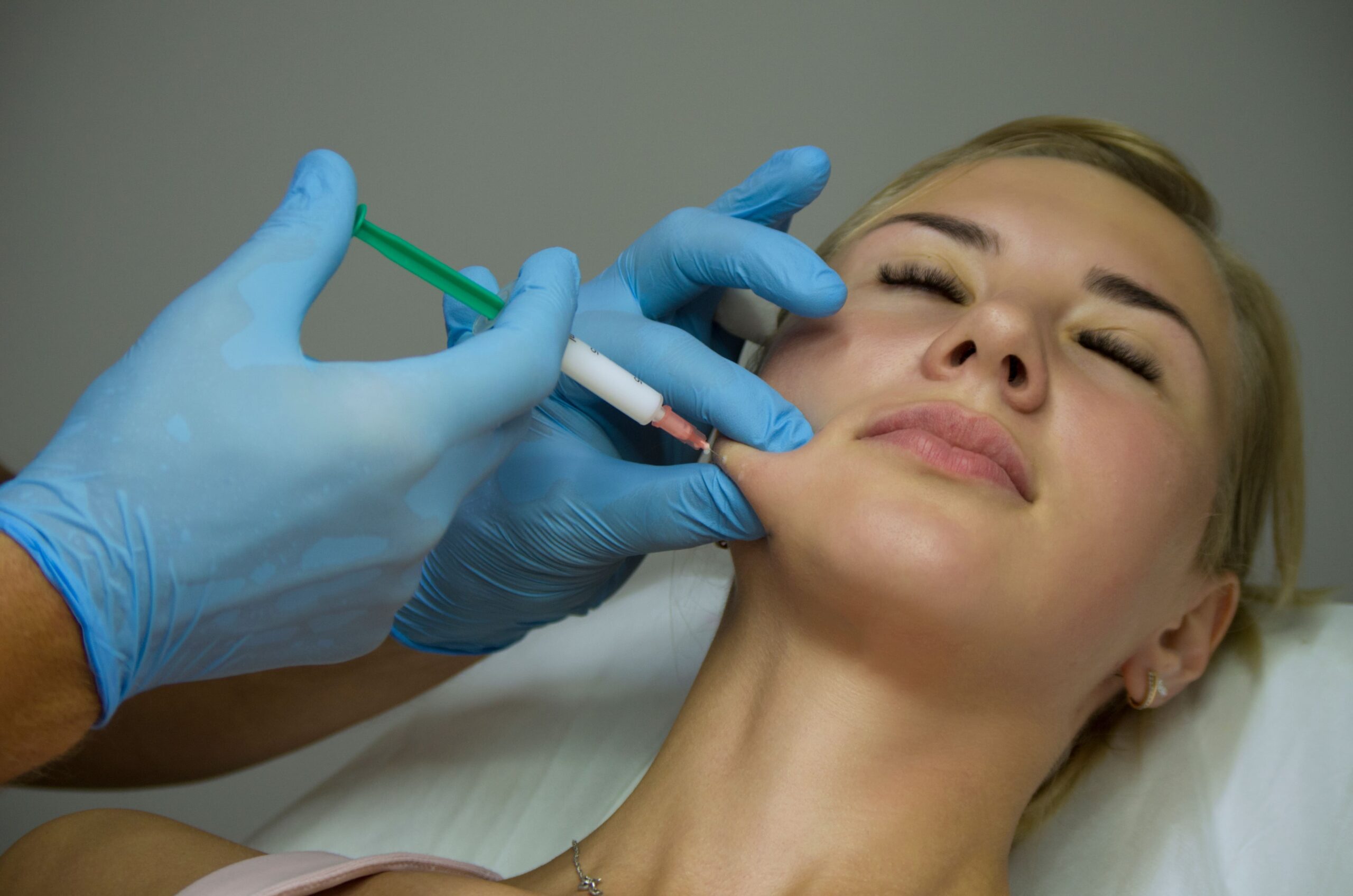
Injection Process: A fine needle is used to inject Botox into specific points of the masseter muscle, focusing on areas with the most muscle activity and bulk. Most patients describe the sensation as a mild pinch or slight pressure that lasts only a few seconds. Since the procedure is generally well tolerated, anaesthesia is not required.
Recovery & Aftercare
Masseter Botox has minimal downtime, but following proper aftercare helps ensure optimal results and reduces the risk of unintended effects.
Immediate Post-Treatment Effects
Mild swelling, redness, or tenderness may occur at the injection sites but typically subsides within a few hours. Bruising is uncommon, though it can occasionally develop, especially for individuals prone to bruising or taking blood-thinning medications. These effects are temporary and do not interfere with daily activities.
Activity Restrictions
To allow the Botox to settle properly, avoid touching or massaging the treated area for 24 hours to prevent displacement. Refrain from intense exercise for a day, as increased blood flow may affect how the product integrates. Do not lie down for at least four hours post-treatment to keep the Botox in the intended area. Additionally, avoid facials, heat treatments (such as saunas), and excessive jaw movement for the first few days.
When to Expect Results
Some patients notice early improvements within 3 to 5 days, particularly in the form of reduced muscle tension and jaw discomfort. However, the full jaw-slimming effect becomes visible over 6 to 8 weeks as the masseter muscles gradually shrink. The transformation is subtle, allowing the jawline to refine naturally and blend seamlessly with facial features for a balanced, contoured appearance.
Who Should Avoid Masseter Botox?
Masseter Botox may not be suitable for individuals with neuromuscular conditions such as myasthenia gravis, as it can affect muscle function. Those with active skin infections near the treatment area should wait until the skin has fully healed. Individuals taking blood thinners or muscle relaxants should consult a doctor, as these medications may influence the procedure.
Maintaining Your Results
Masseter Botox is temporary, and its effects fade as muscle activity gradually returns. Follow-up treatments every 4 to 6 months help maintain a slimmer jawline and continued relief from jaw tension. Over time, regular treatments may extend the duration of results, reducing the frequency of sessions needed.
Lifestyle adjustments, such as reducing stress-related jaw clenching and avoiding excessive gum chewing, can also help prolong results. Consulting with your practitioner for a personalised treatment plan ensures that the effects remain consistent and natural.
Conclusion
Masseter Botox offers a non-surgical option for jaw slimming, facial contouring, and relief from jaw tension or teeth grinding. The treatment is quick, requires minimal downtime, and provides gradual, natural-looking results. Regular sessions help maintain the effects, allowing for long-term improvements.
Schedule a consultation with GlowWis to learn how Masseter Botox can enhance your jawline and relieve muscle tension.