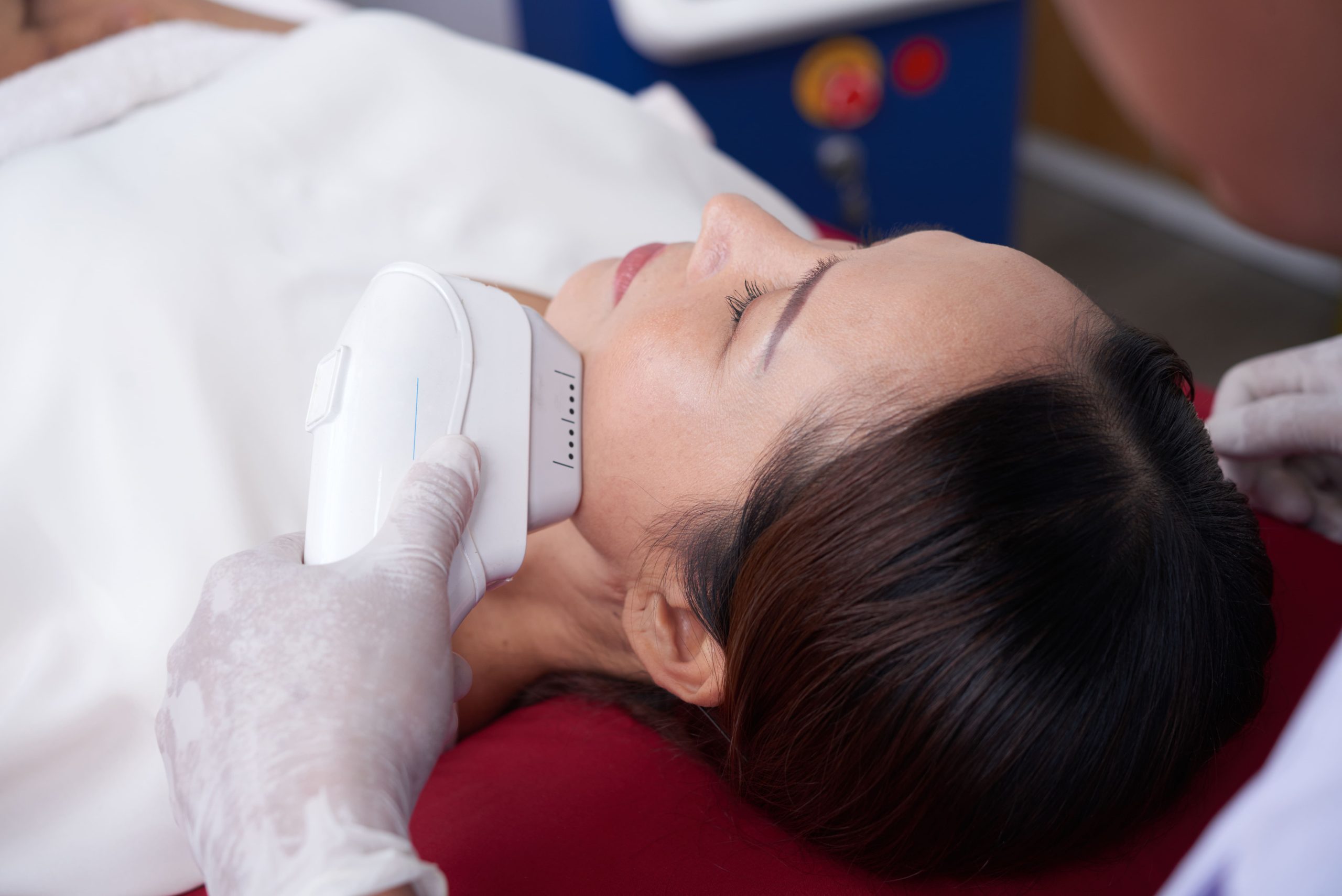
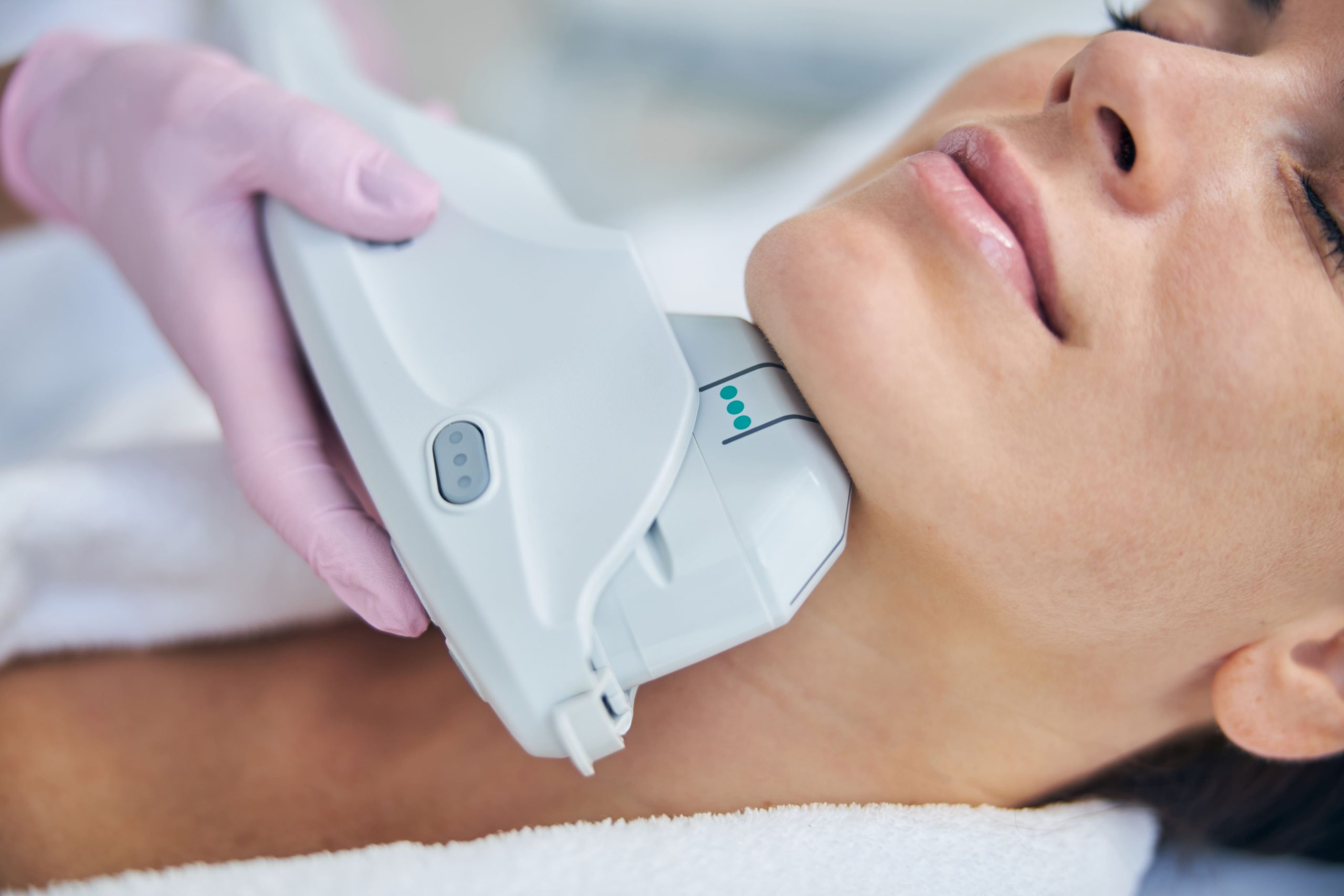
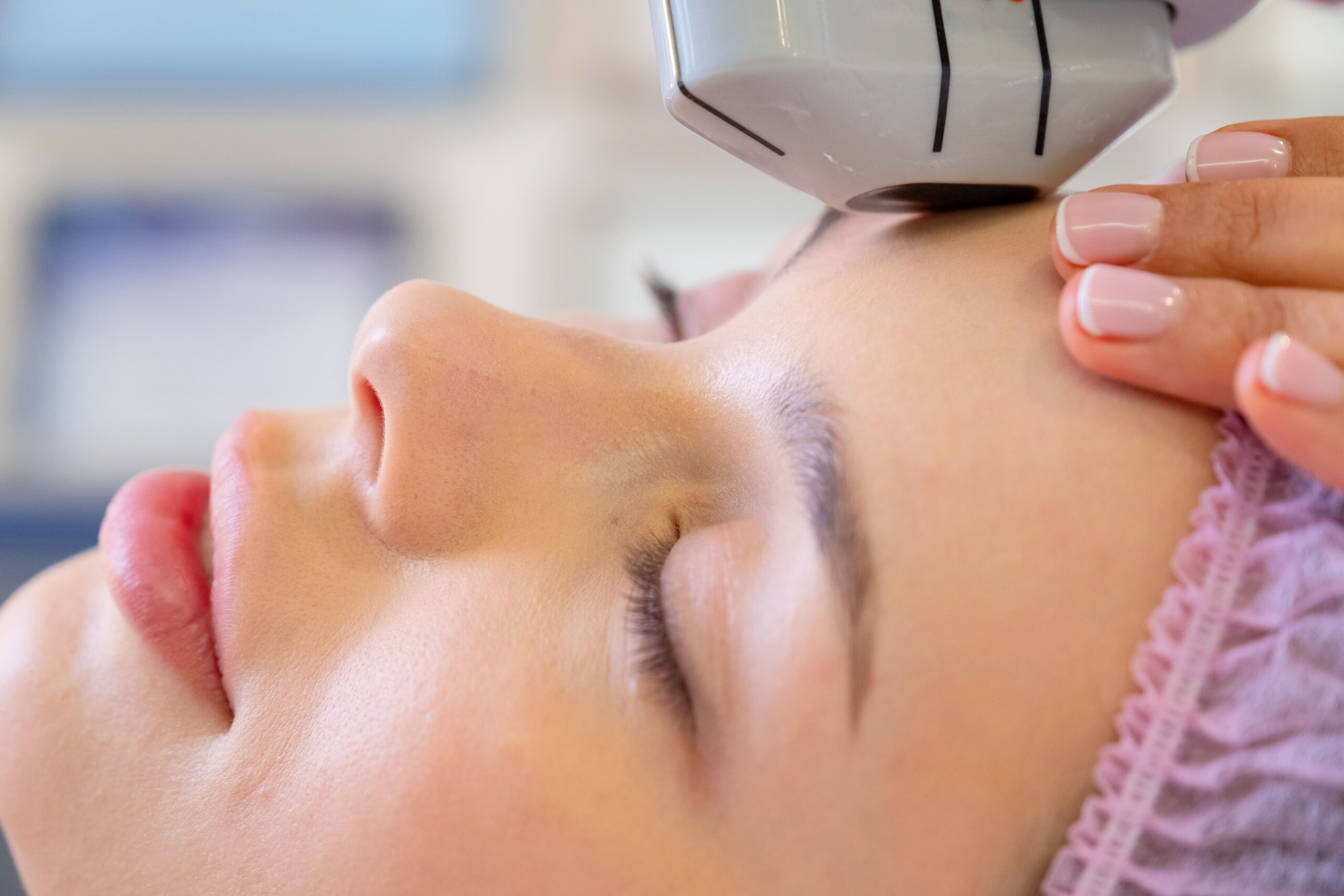
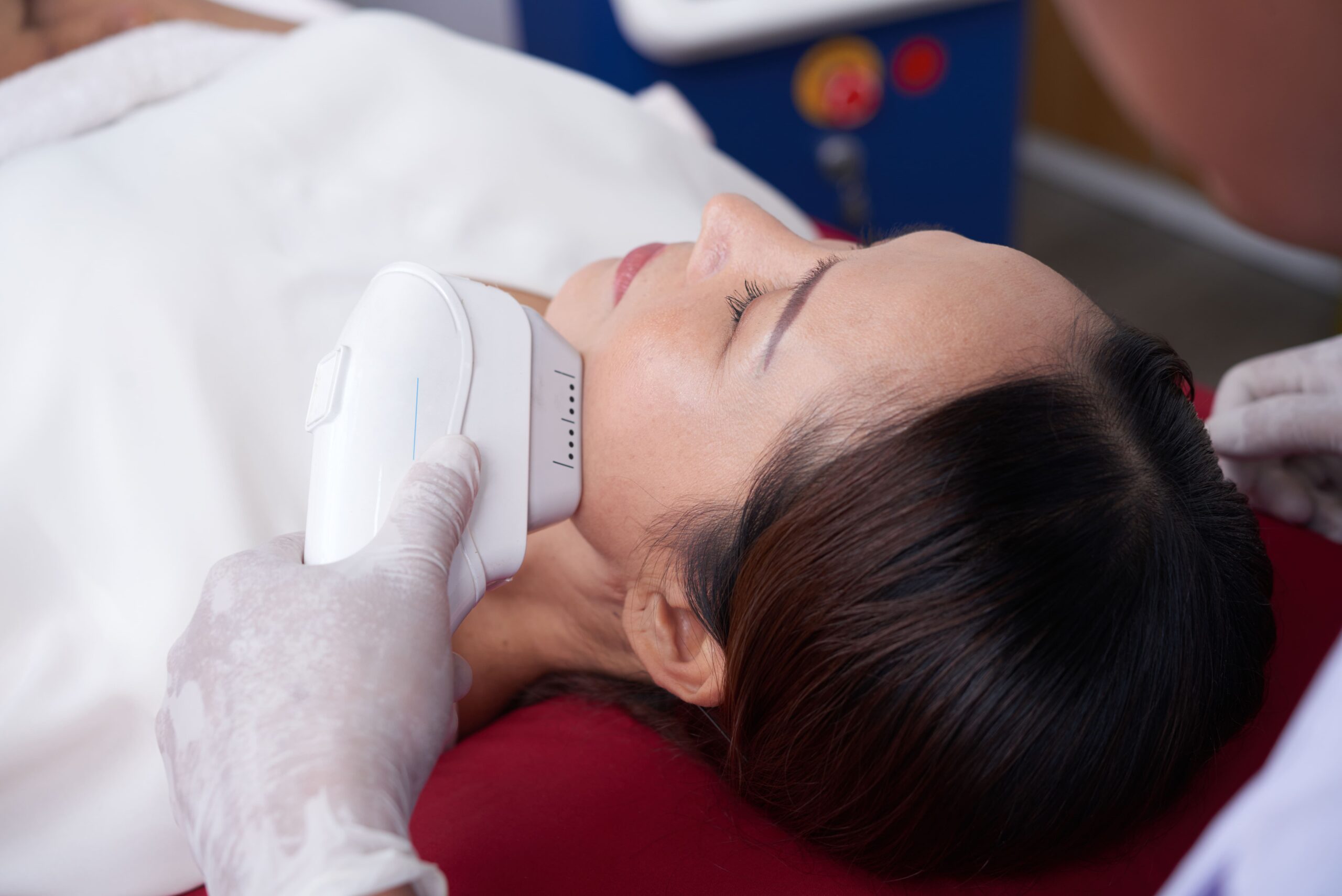
High-Intensity Focused Ultrasound (HIFU) is a non-invasive technology used in Singapore to address skin laxity in the lower face. The procedure delivers focused thermal energy to specific depths, including the foundational Superficial Muscular Aponeurotic System (SMAS). This intended delivery of energy triggers a biological response consisting of collagen contraction and neocollagenesis (the production of new collagen). For individuals experiencing sagging along the jawline, HIFU is directed at the lower facial regions where structural support has diminished. The technology is designed to focus energy at varying depths beneath the epidermis, aiming to promote tissue tightening without disturbing the skin surface.
The response to HIFU is a gradual biological process. While some individuals may notice a transient tightening sensation shortly after treatment, the production of new collagen (neocollagenesis) typically matures over a period of several months. The timeline and degree of improvement vary based on individual skin health and ageing progression.
Understanding Jowl Formation
Jowls develop through a combination of volume loss, collagen degradation, and weakening of facial ligaments. The mandibular ligament (the tissue that connects soft tissue to the jawbone), which normally anchors soft tissue to the jawbone, stretches over time. Simultaneously, fat pads in the midface descend whilst the buccal fat pad (a fat pocket in the cheek) shifts downward. This creates fullness below the jawline rather than at the cheekbones.
Bone resorption (gradual bone loss) compounds these changes. The mandible loses volume and projection with age. This reduces the skeletal framework that once supported the overlying tissue. This explains why even individuals with minimal weight fluctuation develop jowls: the underlying architecture changes regardless of body composition.
HIFU addresses the soft tissue component by heating the SMAS layer to significant temperatures. This causes immediate collagen fibre contraction followed by a wound-healing response that generates fresh collagen over subsequent months.
How HIFU Targets the Lower Face
Depth-Specific Treatment
- Deeper depth: Reaches the SMAS layer and superficial fat compartments, creating the primary lifting effect
- Mid-range depth: Targets the deep dermis (the deeper layer of skin), improving skin density and texture along the jawline
- Superficial depth: Occasionally used for fine lines around the mouth, though less relevant for jowl reduction
The focused ultrasound creates thermal coagulation points (small areas of controlled heating) of a small size. These are spaced consistently to produce uniform tightening without damaging intervening tissue.
Treatment Areas for Jawline Definition
Jowl reduction involves treating beyond the jowl itself. Practitioners address:
- The lateral cheek lifts tissue that contributes to the jowl
- The pre-auricular region (the area in front of the ear) to tighten skin in front of the ear
- The submental area (under the chin), if neck laxity accompanies the jowling
Treatment along the mandibular border requires careful technique. The marginal mandibular nerve (a nerve that controls lower lip movement) runs in this region. Nerve issues with HIFU are exceedingly rare; however, practitioners strictly avoid nerve pathways for patient safety.
What to Expect During Treatment
A full lower face HIFU session takes a moderate duration. The handpiece delivers lines of ultrasound energy. This creates a sensation often described as brief, sharp pricks accompanied by deep aching during energy delivery. Response to the treatment varies among patients and depends on treatment depth. Deeper cartridges typically produce more sensation than superficial ones.
Topical anaesthetic cream (a numbing cream applied to the skin) applied beforehand reduces discomfort for most patients. Some practitioners offer additional pain management options for those with lower pain tolerance.
Immediately after treatment, mild redness and warmth resolve within hours. Some patients notice slight swelling along the jawline for one to two days. Tenderness when pressing on treated areas may persist for several weeks. This indicates ongoing collagen remodelling (the process of building new collagen).
? Did You Know?
HIFU energy passes safely through the top layer of the skin without heating it, allowing the treatment to reach deep tissue temperatures that would typically cause burns if applied directly to the surface.
Results Timeline and Longevity
Initial tightening from collagen contraction appears immediately in some patients, though this effect is subtle. The meaningful results, actual tissue lifting from new collagen formation, develop over several weeks.
Most patients observe continued improvement up to several months post-treatment. The collagen produced is your own tissue and is subject to normal ageing processes. Results gradually diminish over time. Many patients schedule maintenance treatments periodically to sustain their results.
Factors affecting outcome quality include:
- Baseline skin laxity: Mild to moderate jowling responds differently from severe sagging
- Skin thickness: Very thin skin may show less dramatic improvement
- Age: Younger patients with early jowling often see more pronounced results
- Collagen production capacity: Varies individually based on genetics and overall health
Comparing HIFU to Other Jowl Treatments
Thread Lifts
Thread lifts provide immediate mechanical lifting through absorbable sutures. Results vary over time as the threads gradually settle and are absorbed by the body.
HIFU takes a biological approach instead—it stimulates your natural collagen production to strengthen skin from within. Results develop gradually as new collagen forms, addressing the underlying cause of laxity rather than relying on physical anchors.
Radiofrequency Treatments
Radiofrequency energy devices heat tissue more superficially than HIFU and heat a broader area rather than at focused points. They tighten skin but don’t reach the SMAS layer. RF treatments like Monopolar Radiofrequency work well for surface laxity. They can be combined with HIFU for comprehensive treatment.
Dermal Fillers
Strategic filler placement can camouflage jowls by restoring volume to the midface. This lifts the tissue that has descended. This approach treats the visual effect rather than the laxity itself. Results are immediate but temporary, lasting over time depending on the product used.
Surgical Facelift
For significant skin excess, surgery remains an option. HIFU offers a non-surgical alternative for those with mild to moderate laxity who prefer gradual improvement without surgery’s recovery time. It can also help maintain previous surgical results.
Suitable Candidates and Pre-Treatment Assessment
Understanding Suitability
HIFU works well for patients with mild to moderate jowling who maintain reasonable skin elasticity. The treatment stimulates tissue that still has regenerative capacity. Heavily sun-damaged skin with poor elasticity may respond less predictably.
Those with significant jowling and substantial skin excess might find non-surgical results more limited. HIFU tightens existing tissue but cannot eliminate redundant skin the way surgery can. A clinical assessment helps determine whether your degree of laxity suits non-surgical treatment.
Pre-Treatment Assessment
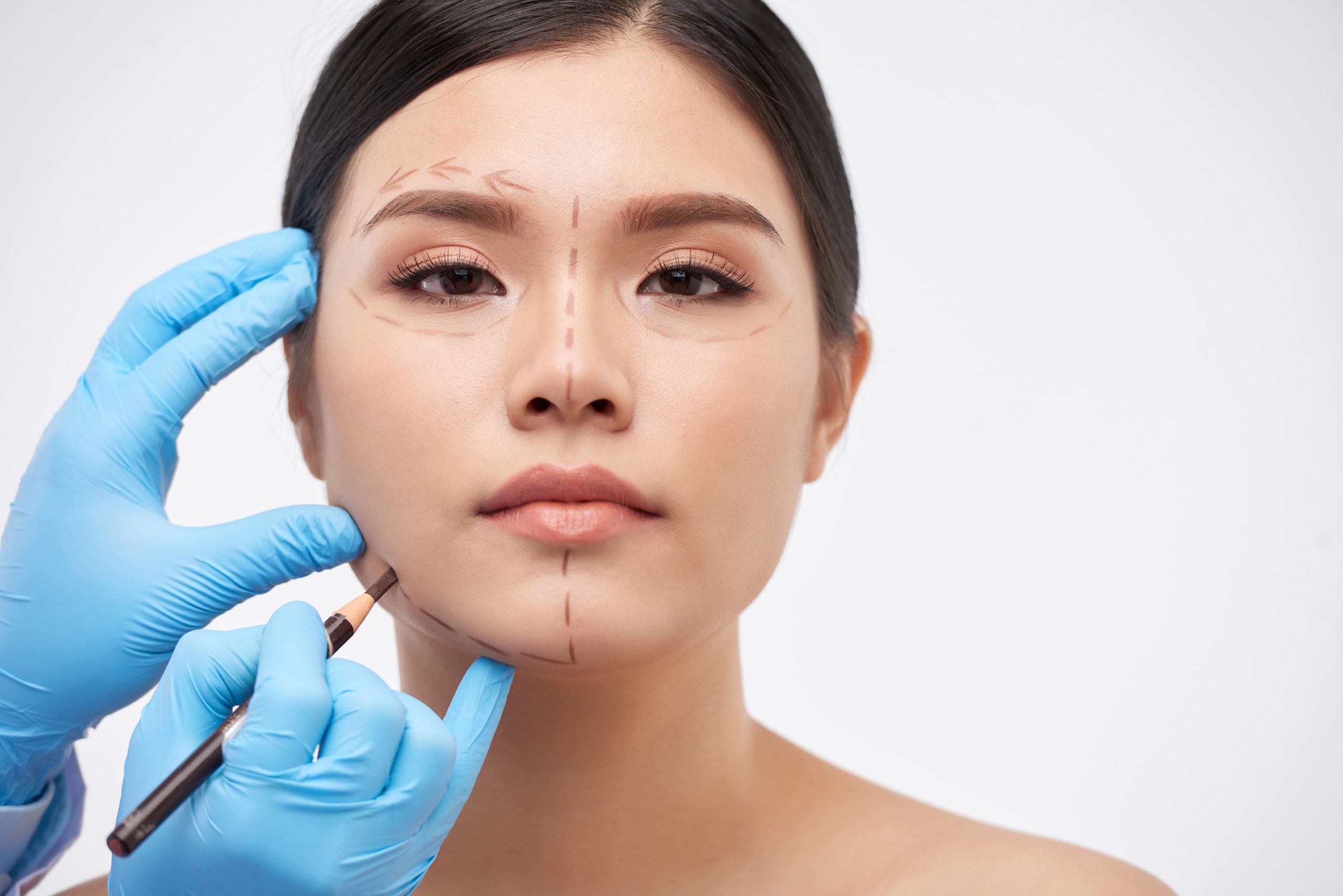
Before proceeding, your practitioner will assess your skin laxity, facial structure, and realistic outcome expectations for jowl reduction.
During your consultation, inform your doctor about:
- Any medications or supplements you’re taking
- Existing medical conditions
- Metal implants along the jawline (dental implants are generally fine)
- Previous cosmetic treatments (fillers, toxin injections, surgical procedures)
- Pregnancy or breastfeeding status
This information helps ensure the treatment is suitable and allows your practitioner to customize the protocol for your jawline anatomy. Previous treatments don’t prevent HIFU—the procedure is safe once healing is complete.
Optimising Your HIFU Results
Pre-Treatment Preparation
Arrive with clean skin—no makeup or skincare products. Your practitioner will take baseline photos, then apply numbing cream to keep you comfortable during treatment..
Post-Treatment Care
Resume normal activities immediately—there’s no required downtime. Avoid intense heat exposure (such as saunas or hot yoga) for a period whilst the treated tissue settles. Maintain your usual skincare routine.
Supporting Collagen Production
HIFU results depend on your body’s collagen-building response. Factors that support this process can enhance outcomes:
- Adequate protein intake provides amino acids (the building blocks of protein) for collagen synthesis
- Vitamin C functions as a cofactor in collagen production (meaning it’s necessary for your body to build collagen)
- Avoiding smoking is important—nicotine impairs wound healing and collagen formation
When to Seek Professional Help
Consider consultation for jowl concerns if you notice:
- Progressive loss of jawline definition despite stable weight
- Jowling that affects your confidence or self-image
- Difficulty determining which treatment approach suits your anatomy
- Jowls accompanied by neck laxity or platysmal bands (visible vertical neck bands)
- Uncertainty about whether your degree of laxity suits non-surgical treatment
Commonly Asked Questions
How many HIFU sessions are needed for jowl reduction?
While many patients see a positive response following a single session, the degree of improvement varies based on individual skin conditions. Those with more significant laxity or those seeking further results may benefit from a second treatment several months after the first.
Energy levels and shot distribution are precisely calibrated by the practitioner based on individual anatomy. Experienced doctors develop clinical protocols tailored to a patient’s unique skin laxity, rather than relying solely on standard device presets. This customised approach aims to achieve the most appropriate outcome for each individual. Periodic maintenance sessions are also recommended to sustain these results over the long term.
Can HIFU worsen jowls or cause sagging?
When performed correctly, HIFU does not cause sagging.
What age is appropriate for HIFU jowl treatment?
There’s no specific age threshold. Early intervention in patients noticing initial jowl formation can slow progression. Older patients with mild to moderate laxity also respond well. Candidacy depends more on skin quality and degree of laxity than chronological age.
Can I combine HIFU with other treatments for results? Y
es, many practitioners design combination protocols. HIFU paired with RF microneedling (radiofrequency energy delivered through tiny needles) addresses both deep tissue tightening and skin texture. Adding threads provides immediate lift whilst awaiting HIFU’s collagen response. Filler can restore volume that HIFU cannot replace. Treatment sequencing depends on individual anatomy and goals.
Next Steps
Determining if HIFU is the appropriate approach for jowl management requires a clinical assessment of your skin laxity and underlying facial structure. A formal consultation with an aesthetic specialist will allow for a discussion on realistic expectations and potential risks.
Note on Clinical Standards and Regulation
In Singapore, it is important for patients to distinguish between medical-grade and salon-based HIFU systems:
- Regulatory Classification: Medical-grade HIFU systems are regulated medical devices calibrated for clinical precision. These systems are designed to reach specific tissue depths, such as the SMAS layer, with consistent energy delivery. In contrast, equipment found in beauty salons is intended for general aesthetic maintenance and operates under different power parameters.
- Professional Qualifications: In accordance with health guidelines, medical-grade HIFU procedures may only be performed by registered medical practitioners who hold a specific Certificate of Competence (COC). Non-medical grade systems are utilised by aesthetic therapists in a non-clinical setting.
- Clinical Outcomes and Pricing: Due to differences in technology, safety protocols, and professional clinical oversight, both the standard of results and the duration of effects will vary. Pricing for medical-grade HIFU reflects the clinical grade of the equipment, the doctor’s expertise, and the required medical standards of care.