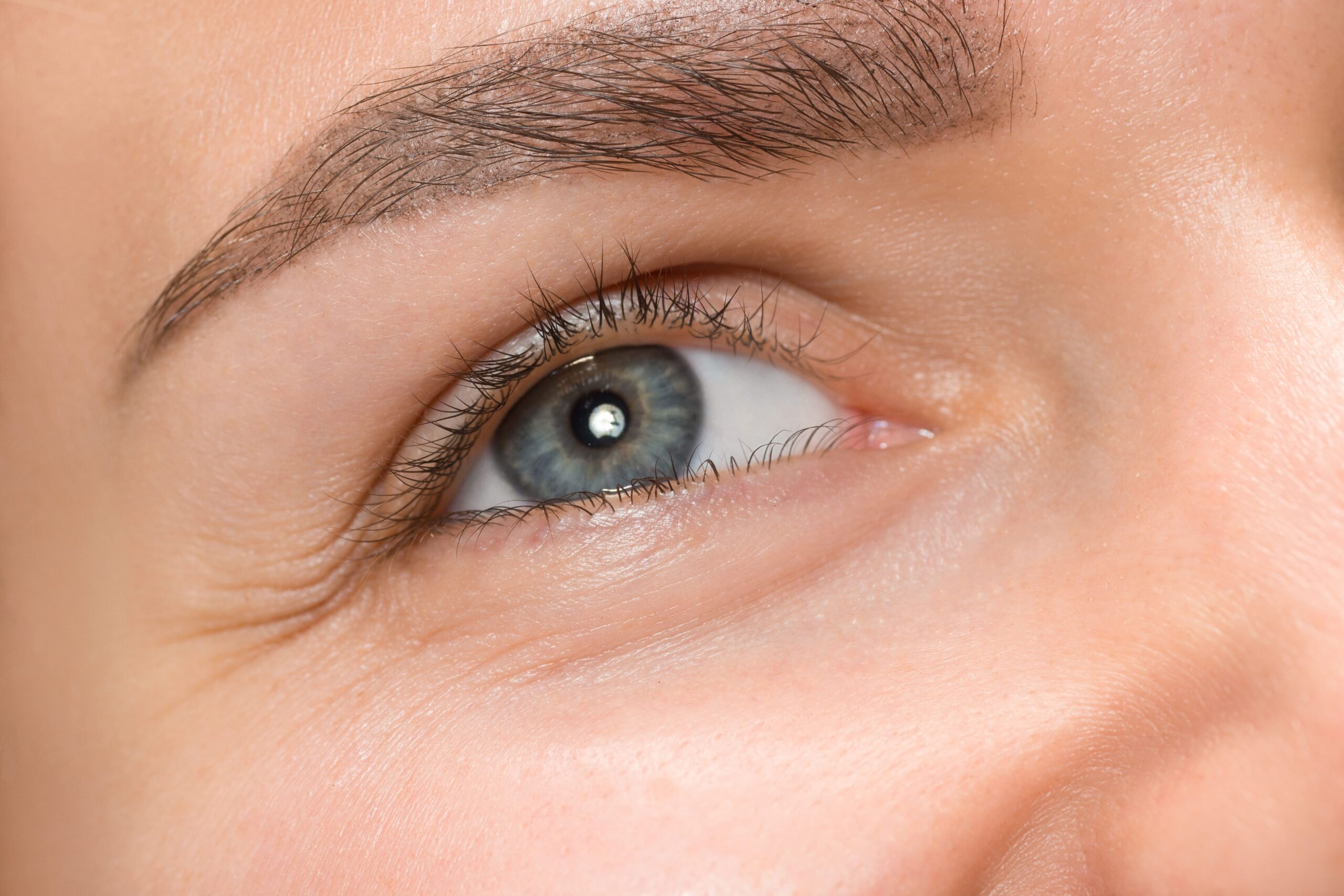
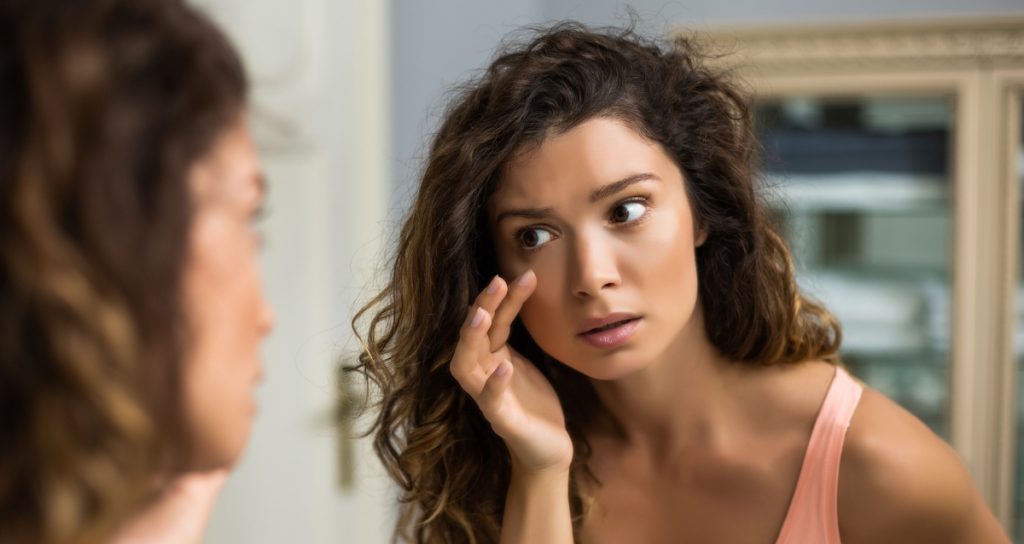
Can focused ultrasound technology address the appearance of crow’s feet on delicate periorbital skin? High-Intensity Focused Ultrasound (HIFU) delivers thermal energy to precise tissue depths around the eyes, designed to trigger neocollagenesis without disrupting the skin surface. The technology bypasses the epidermis entirely, creating micro-coagulation points at targeted dermal and subdermal layers where collagen remodelling aims to produce gradual skin tightening.
Unlike ablative treatments requiring significant downtime, HIFU for crow’s feet typically allows immediate return to daily activities. The procedure is used for fine to moderate lines, though deep-set wrinkles may require a combination approach. Treatment protocols for the area around the eyes differ substantially from full-face HIFU due to proximity to the orbital bone and the delicate nature of eyelid skin.
How HIFU Technology Targets Wrinkles Around the Eyes
HIFU devices emit ultrasound waves that converge at predetermined focal points beneath the skin. This convergence creates elevated temperatures at precise depths while leaving surrounding tissue unaffected. The thermal injury triggers the body’s wound healing cascade. This stimulates fibroblasts to produce new collagen and elastin over subsequent months.
For crow’s feet treatment, practitioners typically utilise shallower and moderate depth transducers rather than the deeper depth used for jowls and neck laxity. The shallower cartridge targets the superficial dermis where fine lines originate. The moderate depth reaches the deeper dermal layers responsible for skin structure. Some practitioners incorporate specifically designed transducers for work around the eyes. This allows treatment closer to the orbital rim without risking deeper structures.
The focused nature of HIFU means energy delivery occurs in discrete points rather than broad tissue heating. Each pulse creates a thermal coagulation point of small volume. Practitioners place multiple points in grid patterns across the treatment zone. This controlled approach minimises collateral thermal damage while supporting the collagen-stimulating effect.
The Treatment Experience
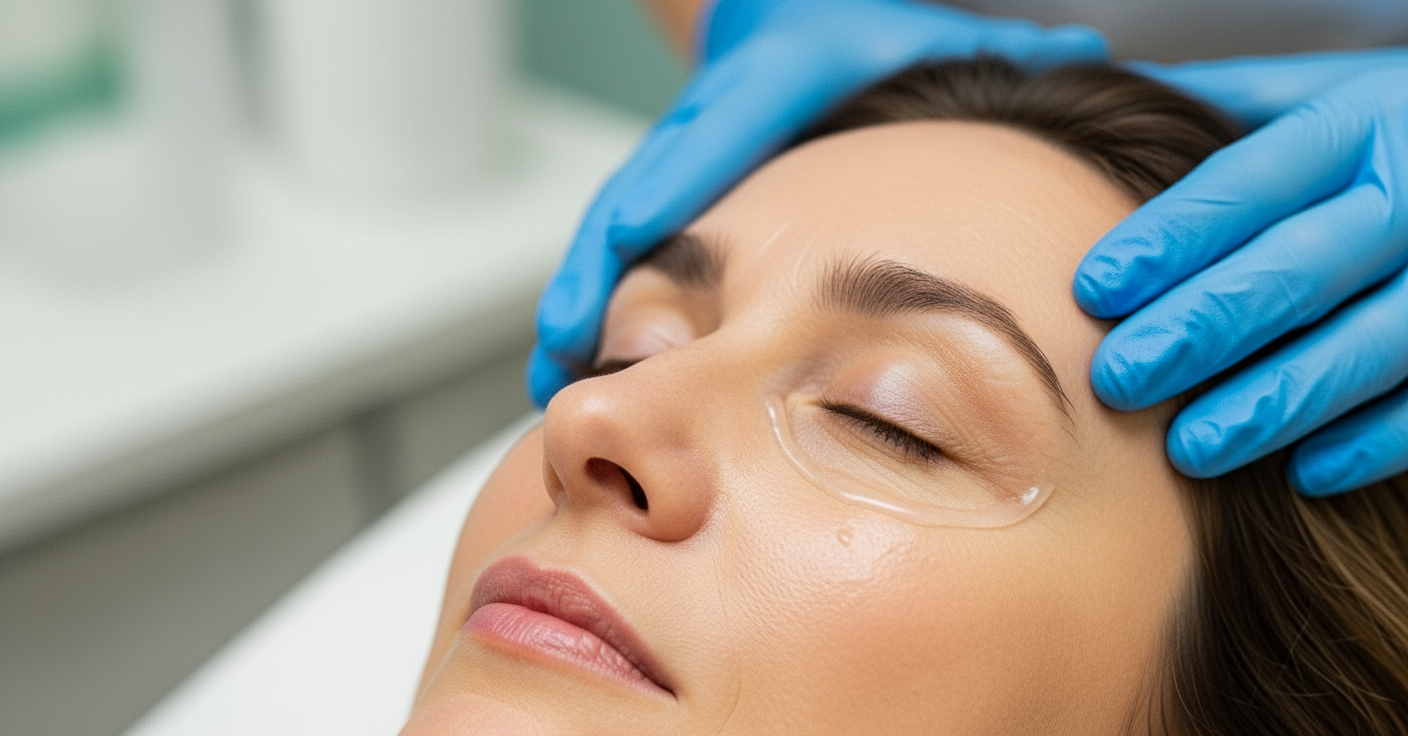
Treatment sessions around the eyes typically last a short duration when treating crow’s feet on both sides. The specialist first cleanses the area and applies ultrasound gel to facilitate energy transmission. The handpiece is then moved systematically across the outer corner of the eye region. It delivers pulses at consistent spacing.
Sensation during treatment varies considerably between individuals. Most describe a prickling or warm sensation with each pulse. This is occasionally accompanied by a brief, sharp feeling when energy reaches nerve-rich areas. The area around the eyes is often more sensitive than the cheeks or the forehead due to thinner tissue and proximity to the bone. Some specialists apply a topical anaesthetic before treatment, though many patients tolerate the procedure without numbing.
Immediately post-treatment, mild erythema and slight swelling commonly appear, typically resolving within hours. Some patients notice temporary tenderness along the orbital rim lasting a brief period. Unlike laser treatments, HIFU produces no surface wounds, crusting, or peeling.
Candidacy and Pre-Treatment Assessment
Understanding Suitability
Candidates for HIFU around the eyes typically present with mild to moderate skin laxity and fine to medium-depth crow’s feet. The treatment works best when sufficient dermal thickness exists for collagen remodelling. Extremely thin or heavily sun-damaged skin may respond less predictably.
For those with deep, etched crow’s feet, a combination approach is often recommended. HIFU can be paired with neuromodulators (which relax the underlying muscles), RF microneedling (for surface texture), or dermal fillers (to restore volume), working toward comprehensive periorbital rejuvenation.
Pre-Treatment Assessment
Before proceeding with HIFU treatment around the eyes, a thorough assessment determines suitability for your individual situation. Your practitioner evaluates skin thickness, the depth of existing lines, tissue quality, and proximity to sensitive orbital structures.
During your consultation, it’s important to inform your doctor about:
- Any medications or supplements you’re currently taking
- Existing medical conditions (especially if you have implanted electrical devices like pacemakers)
- Previous cosmetic procedures around the eyes (blepharoplasty, permanent makeup, or filler injections)
- Metal implants around the facial area
- Pregnancy or breastfeeding status
This information helps ensure treatment suitability and allows for necessary modifications to protect sensitive structures around your eyes. Your practitioner will also discuss realistic expectations based on your skin condition, age, and individual ageing patterns.
Results typically develop gradually over 3-6 months as new collagen forms. Individual outcomes vary based on your skin’s response, sun exposure habits, and overall skin health.
Treatment Protocols and Session Planning
Single-session protocols remain common for crow’s feet HIFU. Some practitioners recommend two sessions spaced several weeks apart for enhanced results in older patients or those with more pronounced photodamage. The initial treatment establishes collagen stimulation. Subsequent sessions build upon this foundation before the remodelling process completes.
Maintenance schedules vary based on individual ageing patterns and lifestyle factors. A healthcare professional can provide personalised advice on specific follow-up plans based on how your skin responds, your sun exposure habits, and your overall skin health goals. Sun exposure, smoking, and sleep habits all influence how long results persist. Those who protect their skin diligently typically maintain improvements longer than individuals with significant ongoing UV exposure.
Energy settings require adjustment based on patient factors. These include skin thickness, pain tolerance, and treatment history. Practitioners often start conservatively around the orbital area. They increase parameters in subsequent sessions based on the response. Appropriate depth selection is important for outcomes.
Combining HIFU with Other Treatments
Comprehensive rejuvenation around the eyes frequently involves multiple modalities addressing different aspects of ageing. HIFU can provide collagen stimulation and mild lifting. Neuromodulators address dynamic lines caused by muscle movement. RF microneedling face and neck treatments target surface texture and pore size. Dermal fillers restore volume in the tear trough and temple areas.
The order in which procedures are performed is crucial for achieving optimal outcomes. While many practitioners typically recommend completing the HIFU session first, the final sequencing is determined during a clinical consultation. This ensures that the plan addresses your primary concerns and priorities through a sequence uniquely tailored to your facial anatomy.
For example, RF microneedling is often performed several weeks post-HIFU once the initial stage of collagen remodelling has stabilised. However, depending on the patient’s skin condition and specific goals, some practitioners may decide that both treatments can be safely performed on the same day. This decision is made by the doctor after a thorough skin assessment to ensure the treatment remains appropriate for the patient’s recovery capacity.
Some clinics offer same-day combination protocols for patients seeking comprehensive improvement with minimal appointment frequency. These require careful planning to avoid excessive thermal load on delicate tissues around the eyes. When properly executed, combination approaches may provide more comprehensive results compared to any single modality in suitable candidates.
Results Timeline and Longevity
Initial improvement may be noticeable within days as mild oedema creates a temporary plumping effect, though this isn’t true collagen remodelling. Genuine results emerge gradually as new collagen fibres mature and integrate into the dermal matrix. Peak improvement typically occurs within several months. Continued refinement is possible through later months.
Patients commonly report that their crow’s feet appear softer and less prominent, with improved skin texture across the outer eye area. The lifting effect varies. Some notice appreciable brow elevation and lateral canthal improvement. Others observe primarily textural changes. Individual collagen synthesis capacity, age, and baseline skin quality all influence outcome magnitude.
The duration of results spans an extended period, gradually diminishing as natural ageing continues. Environmental factors significantly impact longevity:
- Daily SPF application
- Antioxidant skincare
- Adequate hydration
- Quality sleep
Those who resume heavy sun exposure without protection may see benefits fade more rapidly.
What Our Aesthetic Specialist Says
Rejuvenation around the eyes requires understanding that crow’s feet have multiple contributing factors—skin laxity, volume loss, and muscle activity all play roles. HIFU addresses the laxity component, but honest conversations about what single treatments can achieve prevent disappointment. I find patients most satisfied when we establish a phased treatment plan addressing their specific concerns systematically rather than expecting one procedure to solve everything.
Preparing for Your Treatment Session
Pre-treatment guidelines help ensure conditions appropriate for HIFU energy delivery and support minimising complication risk.
Discuss your full medical history during the consultation. This includes any previous cosmetic procedures around the eyes. Prior blepharoplasty, permanent makeup, or filler injections may affect treatment planning. Bring a list of current medications and supplements for review.
Post-Treatment Care Guidelines
Recovery protocols focus on supporting the collagen remodelling process while protecting treated skin:
- Apply a gentle moisturiser to the area around the eyes for the first week
- Use sunscreen daily—UV exposure during active collagen synthesis may compromise results
- Avoid retinoids and active ingredients around the eyes until any redness and swelling have settled; once the skin has recovered, you may resume your regular routine.
Mild tenderness when pressing on treated areas may persist for several days. This indicates an appropriate thermal effect and resolves without intervention.
When to Seek Professional Help
- Swelling that worsens after the first couple of days rather than improving
- Pain that increases over time or doesn’t respond to standard analgesics
- Numbness lasting more than one week
- Persistent redness or soreness lasting more than a few days after the treatment
Commonly Asked Questions
How does HIFU for crow’s feet differ from full-face treatment?
Treatment around the eyes uses shallower transducer depths, lower energy settings, and modified pulse spacing to accommodate the thin skin and proximity to sensitive structures around the eyes. Treatment time is shorter. Practitioners use greater precision and care near the orbital rim due to the sensitive anatomy.
Can HIFU replace neuromodulators for crow’s feet?
HIFU is designed to address skin laxity and collagen quality, while neuromodulators temporarily reduce muscle movement, causing dynamic wrinkles. They work through entirely different mechanisms and often complement each other. Patients with primarily dynamic lines visible only during smiling may be more suitable candidates for neuromodulators, while those with lines present at rest may find HIFU more appropriate for their concerns.
How many HIFU sessions do crow’s feet typically require?
A single session may achieve desired improvement for some patients. Some opt for a second treatment after initial results plateau, depending on their individual response and goals. Annual maintenance sessions may help sustain improvements long-term in suitable candidates.
Is HIFU around the eyes safe for all skin types?
HIFU is suitable for all skin types, irrespective of skin colour. Because the mechanism bypasses melanin, it can be used across all Fitzpatrick skin types with minimal risk of post-inflammatory hyperpigmentation. This differs from certain laser treatments, where melanin absorption can cause complications in darker skin tones.
What results can I realistically expect?
Some patients observe softening of fine to moderate crow’s feet with improved skin texture and mild tightening effect, though individual results vary. Deep wrinkles, significant volume loss, and heavily sun-damaged skin typically require combination approaches for more comprehensive improvement.
Next Steps
HIFU is designed to provide targeted collagen stimulation to crow’s feet with minimal downtime. Results typically develop gradually over 3-6 months as new collagen matures in responsive patients. Combination approaches with neuromodulators or RF microneedling may provide more comprehensive periorbital rejuvenation compared to single treatments in suitable candidates.
If you are experiencing persistent crow’s feet or skin laxity around the eyes, consult a qualified aesthetic specialist who can evaluate whether HIFU, RF microneedling face neck treatments, or combination approaches suit your specific rejuvenation goals.
Note on Clinical Standards and Regulation
In Singapore, it is important for patients to distinguish between medical-grade and salon-based HIFU systems:
- Regulatory Classification: Medical-grade HIFU systems are regulated medical devices calibrated for clinical precision. These systems are designed to reach specific tissue depths, such as the SMAS layer, with consistent energy delivery. In contrast, equipment found in beauty salons is intended for general aesthetic maintenance and operates under different power parameters.
- Professional Qualifications: In accordance with health guidelines, medical-grade HIFU procedures may only be performed by registered medical practitioners who hold a specific Certificate of Competence (COC). Non-medical grade systems are utilised by aesthetic therapists in a non-clinical setting.
- Clinical Outcomes and Pricing: Due to differences in technology, safety protocols, and professional clinical oversight, both the standard of results and the duration of effects will vary. Pricing for medical-grade HIFU reflects the clinical grade of the equipment, the doctor’s expertise, and the required medical standards of care.