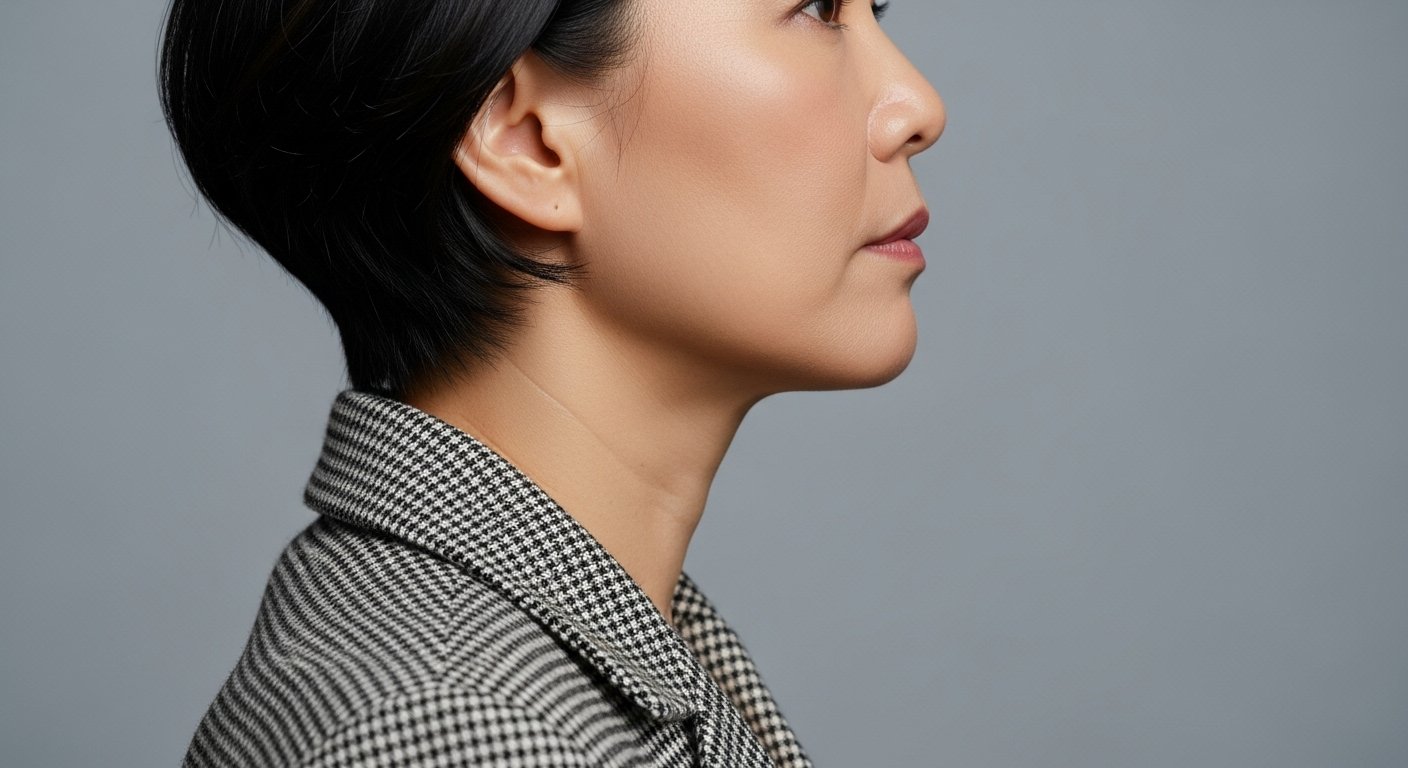
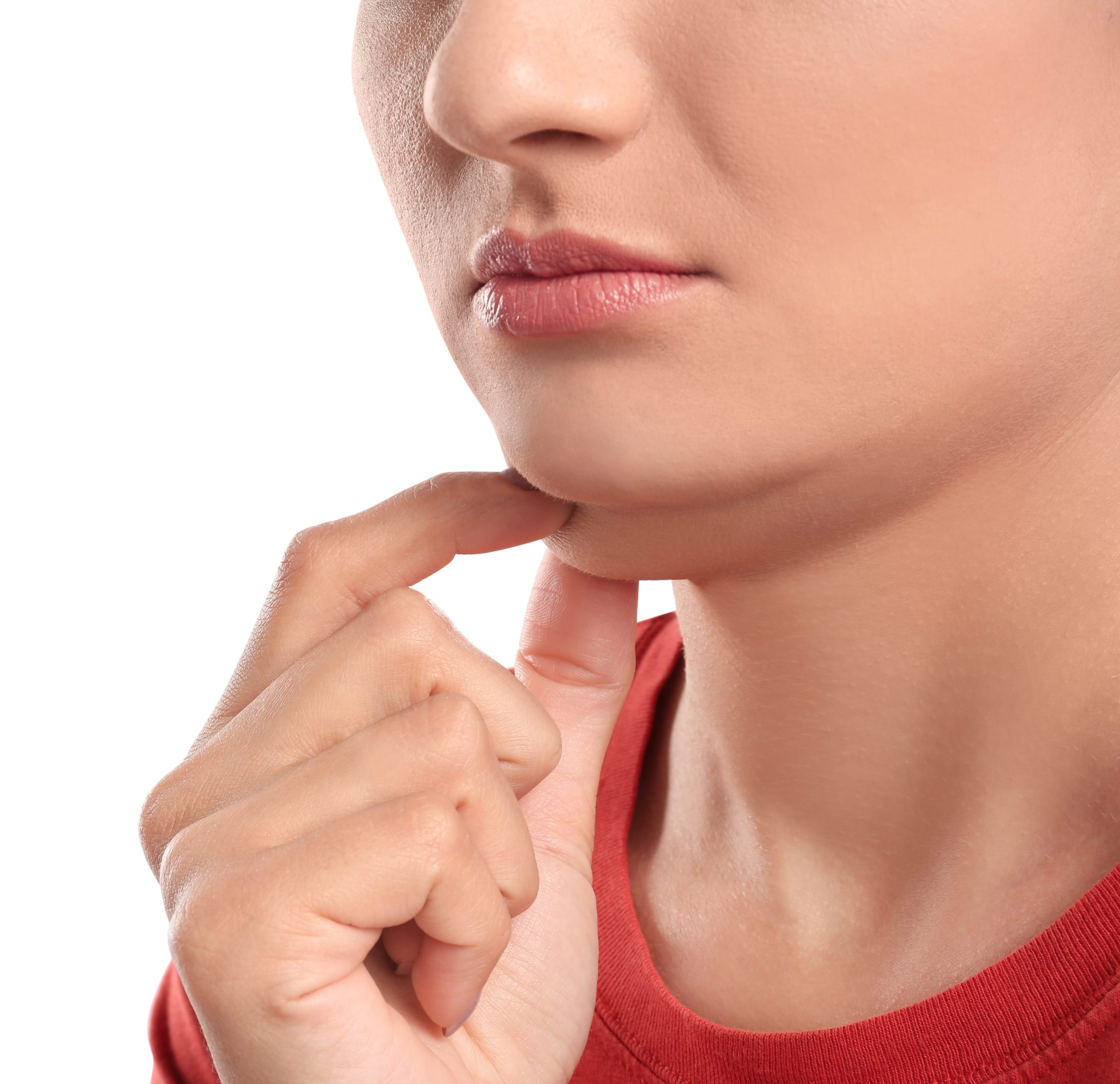
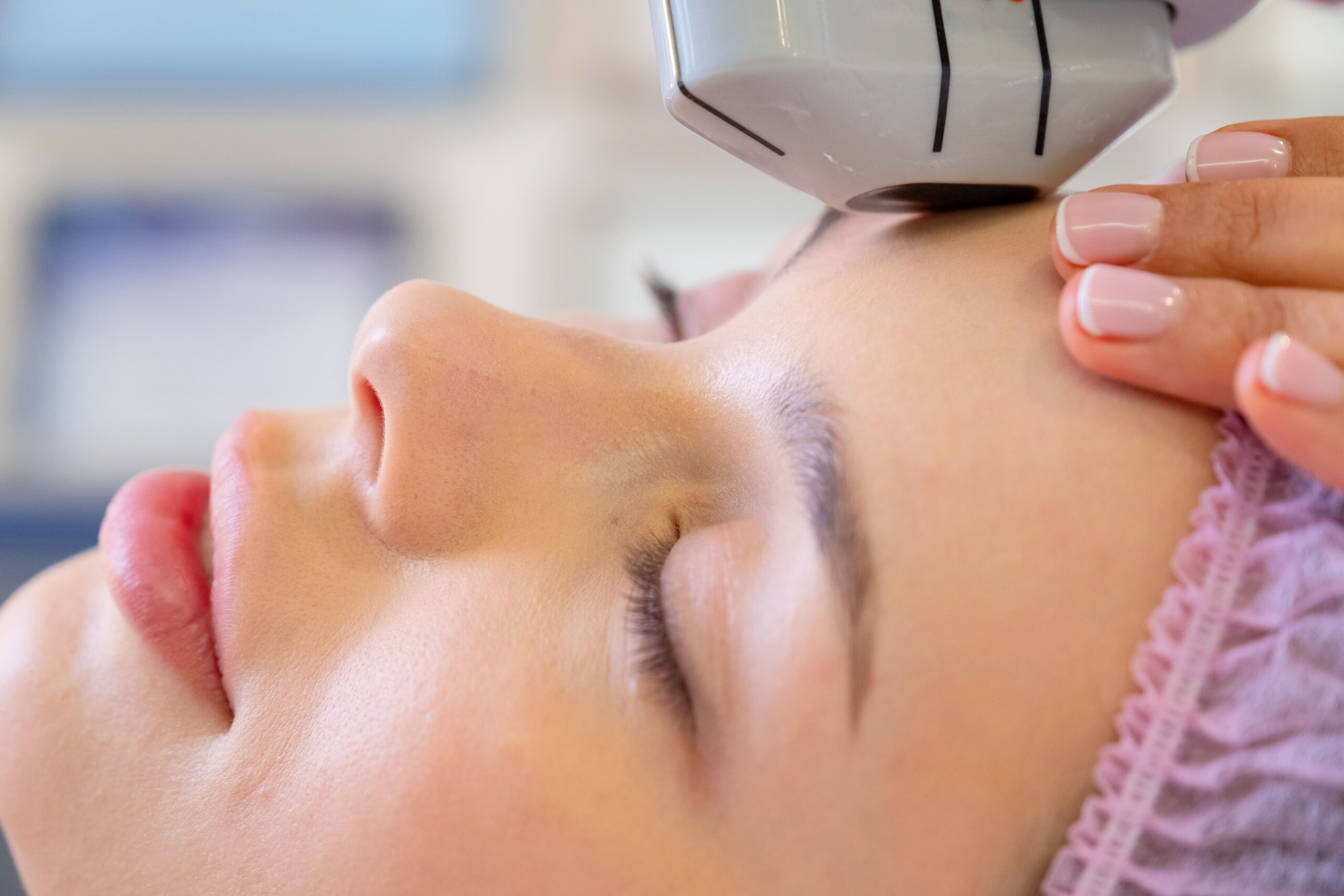
Sagging jowls develop when facial tissues lose collagen and elastin, causing skin along the jawline to descend below its original position. Non-surgical treatments can lift and tighten this area through various mechanisms – from mechanical suspension with threads to deep tissue heating with ultrasound energy. Each approach offers different degrees of lifting, duration of results, and recovery requirements.
The effectiveness of non-surgical jowl treatments depends on several factors: the degree of skin laxity, volume loss in surrounding areas, individual healing response, and the specific technology used.
Thread Lifts for Jowl Elevation
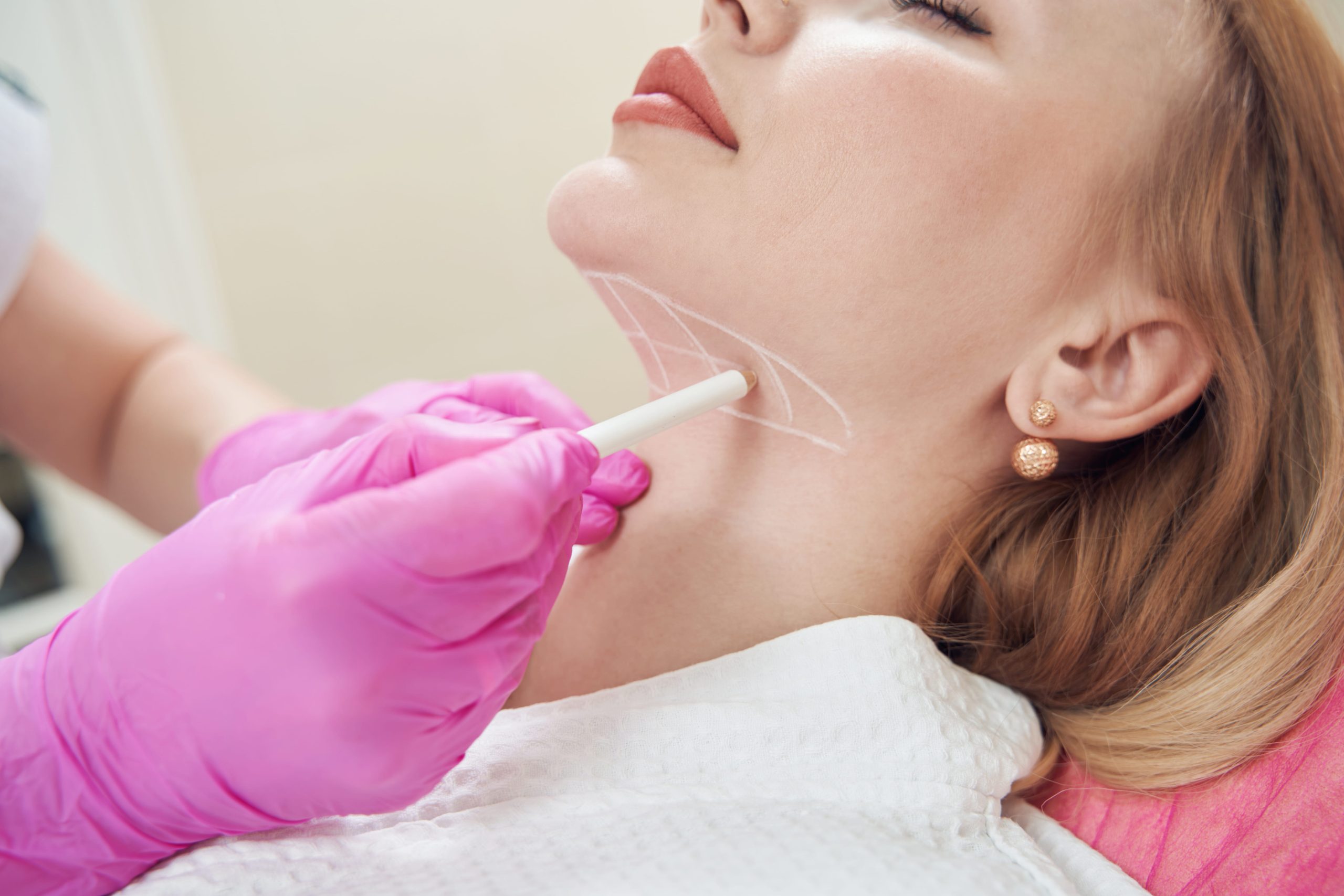
Thread lifts use dissolvable sutures with tiny barbs or cones to physically lift sagging jowl tissue. The threads anchor into deeper facial structures and create an immediate lifting effect while stimulating collagen production over the following months.
PDO (polydioxanone) threads dissolve completely within 6-8 months, but the collagen response continues developing for up to 12 months. During insertion, the practitioner creates small entry points near the hairline or behind the ear, then guides threads through the tissue to grip and reposition the jowl area. The procedure typically requires 30-45 minutes under local anaesthesia.
Recovery involves mild swelling and possible bruising for 3-7 days. Patients must avoid excessive facial movements, dental work, and facial massages for 2-3 weeks to allow proper thread integration. Results appear immediately but improve over 2-3 months as collagen forms around the threads.
Thread lift outcomes vary based on thread type and placement technique. Barbed threads provide stronger lifting capacity than smooth threads. Combination approaches using both lifting and volumizing threads often achieve more comprehensive results. The lifting effect typically lasts 12-18 months, though individual results depend on skin quality and aging progression.
Ultherapy: Ultrasound-Based Lifting
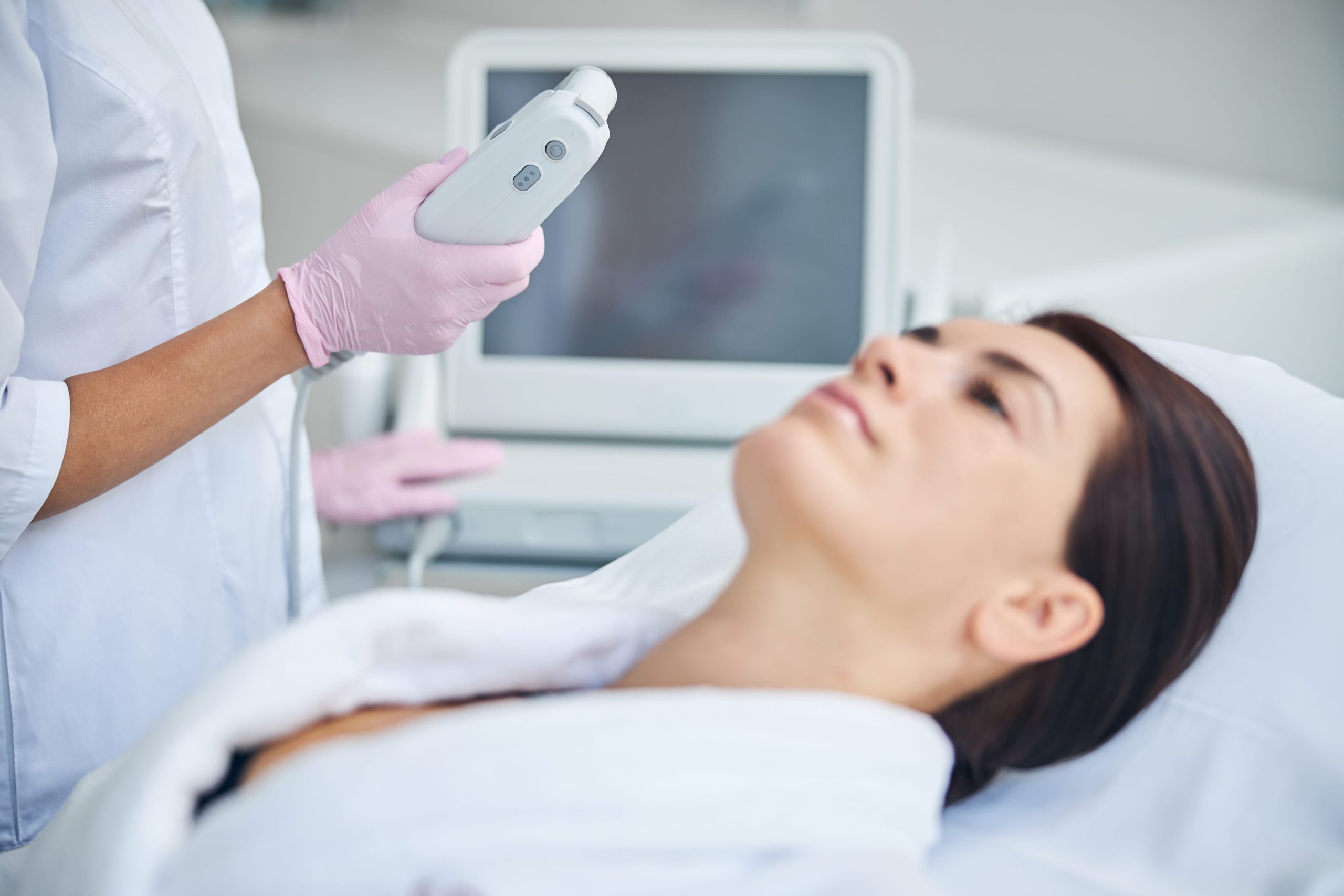
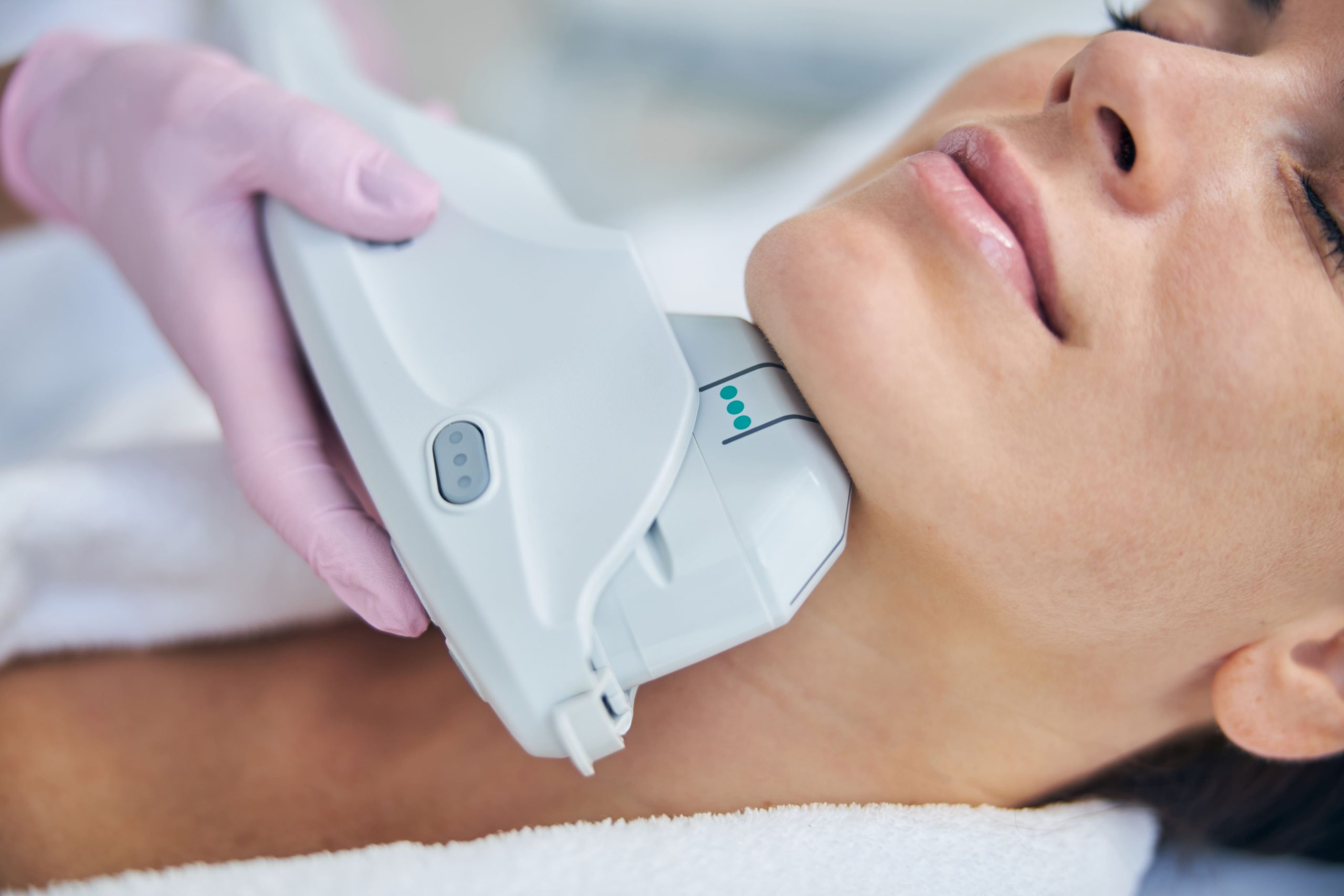
Ultherapy delivers focused ultrasound energy to specific depths within the skin, heating tissue to 60-70°C at precise points. This controlled heating triggers immediate tissue contraction and initiates a wound-healing response that produces new collagen over several months.
The treatment targets three distinct layers: the deep dermis at 3mm depth, the fibromuscular layer at 4.5mm, and in some cases, the superficial fat at 6mm or 9mm. By treating multiple depths, Ultherapy addresses both skin laxity and deeper tissue descent contributing to jowl formation.
During treatment, the practitioner uses ultrasound imaging to visualize tissue layers and ensure accurate energy delivery. Each pulse creates a thermal coagulation point approximately 1mm³ in size. A full jowl treatment typically involves 150-300 pulses per side, taking 45-60 minutes total.
Patients experience varying discomfort levels during treatment – some describe brief, intense heat sensations while others find it quite tolerable. Topical numbing cream and oral pain medication help manage discomfort. Post-treatment effects include mild swelling and tenderness lasting 1-3 days, with occasional temporary numbness or tingling.
Initial tissue tightening appears within 2-4 weeks, but results develop gradually over 3-6 months as collagen remodeling occurs. The lifting effect typically maintains for 12-24 months, with many patients scheduling annual touch-up treatments to sustain results.
Radiofrequency Treatments
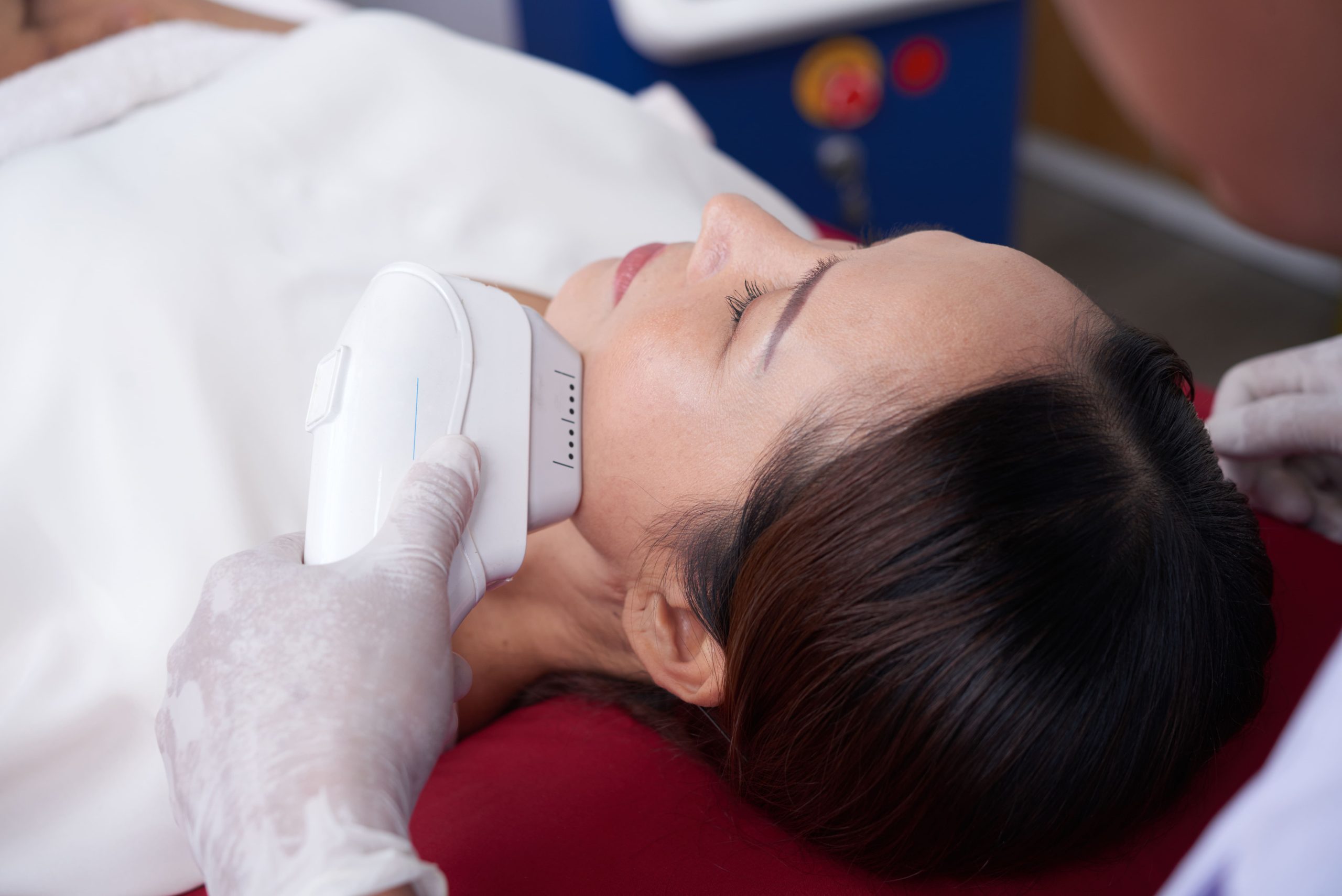
Radiofrequency (RF) devices heat dermal tissue through electromagnetic energy, causing immediate collagen contraction and long-term remodeling. Different RF technologies offer varying penetration depths and heating patterns for jowl treatment.
Monopolar RF systems like Thermage deliver energy from the treatment tip through the body to a grounding pad, creating deep, volumetric heating. The current generation uses vibration and cooling to improve comfort while heating tissue to 45-50°C at depths up to 4mm. A typical jowl treatment requires 400-600 pulses over 45-60 minutes.
Bipolar and multipolar RF systems confine energy between electrodes on the treatment tip, providing more superficial heating with better control. These systems often combine RF with other modalities – vacuum suction enhances energy penetration while infrared light provides additional heating. Treatment protocols typically involve 20-30 minute sessions repeated weekly for 4-6 weeks.
Microneedling RF devices combine fractional needle penetration with radiofrequency heating. Insulated needles deliver energy at specific depths (0.5-3.5mm) while protecting the epidermis. This approach creates controlled micro-injuries that stimulate aggressive collagen remodeling. Most patients require 3-4 treatments spaced 4-6 weeks apart.
Recovery varies by RF type – monopolar treatments may cause swelling for 2-3 days, while fractional RF results in pinpoint bleeding and mild scabbing for 3-5 days. All RF treatments show progressive improvement over 3-6 months, with results lasting 12-18 months on average.
Injectable Treatments for Jowl Improvement
Strategic filler placement can improve jowl appearance by restoring volume in surrounding areas and creating better facial proportions. Hyaluronic acid fillers placed along the jawline, pre-jowl sulcus, and chin help camouflage jowl prominence.
The pre-jowl sulcus – the depression between the jowl and chin – often deepens with age, accentuating jowl appearance. Filling this area with 0.5-1.5ml of high G-prime filler per side creates a straighter jawline contour. Additional filler in the chin (1-2ml) provides forward projection that further minimizes jowl visibility.
Biostimulatory injectables like Sculptra (poly-L-lactic acid) work differently by triggering collagen production rather than providing immediate volume. Treatment involves diluted product injected in a fanning pattern throughout the lower face. Most patients need 2-3 sessions spaced 4-6 weeks apart, with results developing over 3-6 months and lasting up to 2 years.
Deoxycholic acid injections, while primarily used for submental fat, can address mild jowl fat in selected cases. The treatment destroys fat cells through cell membrane disruption, with 2-4 sessions typically needed. This approach works only for patients with good skin elasticity and isolated fat deposits rather than significant sagging.
Combination Approaches
Combining different non-surgical treatments often achieves more comprehensive jowl improvement than single modalities. Common combinations include thread lifts with radiofrequency for enhanced tightening, or energy-based treatments followed by strategic filler placement.
Sequential treatment planning optimizes results – starting with skin tightening procedures allows accurate assessment of remaining volume needs. For example, Ultherapy treatment followed by filler placement 3 months later addresses both tissue laxity and volume loss. Some practitioners combine treatments in single sessions, such as thread lifts with immediate filler enhancement.
HIFU (High-Intensity Focused Ultrasound) devices often incorporate multiple transducers to treat various depths in one session. Combining 4.5mm treatment for SMAS layer lifting with 3mm treatment for dermal tightening provides multi-level improvement. Adding 1.5mm superficial treatment enhances skin texture and fine lines.
Recovery considerations become important with combination treatments. Scheduling energy-based treatments before injectables prevents filler displacement. Allowing adequate healing time between procedures – typically 2-4 weeks – ensures optimal results from each modality.
Making Treatment Decisions
Selecting appropriate non-surgical jowl treatment requires careful assessment of tissue quality, degree of descent, and patient expectations. Mild jowling with good skin elasticity responds well to single energy-based treatments. Moderate sagging often benefits from thread lifts or combination approaches. Severe jowling may exceed non-surgical capabilities.
Age influences treatment selection – younger patients with early jowl formation often achieve satisfactory results with preventive RF or ultrasound treatments. Older patients with established jowls typically need more aggressive approaches or combinations. Skin thickness also matters – thin skin shows better lifting with threads, while thicker skin responds well to deep heating treatments.
? Did You Know?
The SMAS (Superficial Musculoaponeurotic System) layer that surgical facelifts reposition can also be targeted non-surgically. Ultrasound and certain RF devices reach this fibromuscular layer at 4.5mm depth, creating foundational lifting similar to surgical techniques but with less dramatic results.
Maintenance requirements vary significantly between treatments. Thread lifts provide immediate results but require replacement as threads dissolve. Energy-based treatments show gradual improvement but need periodic touch-ups. Injectable treatments offer flexibility for adjustments but require ongoing sessions. Consider long-term commitment when choosing treatments.
What Our Aesthetic Doctor Says
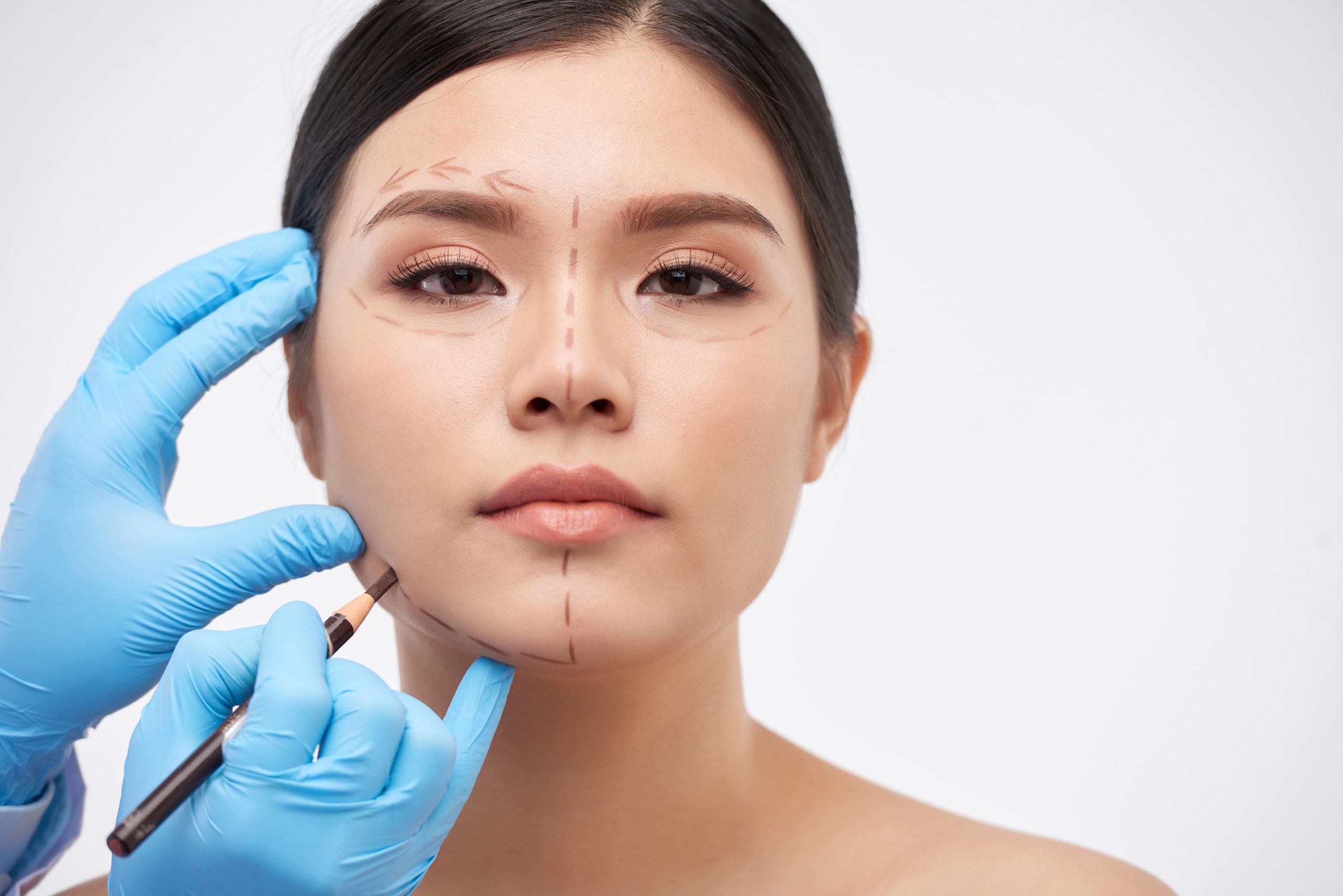
Patient selection remains the most important factor for successful non-surgical jowl treatment. During consultation, I assess not just the degree of sagging but also skin quality, facial proportions, and underlying bone structure. Many patients benefit from addressing volume loss in the mid-face and temples simultaneously – lifting the jowls without supporting the upper face often creates an unnatural appearance.
I frequently recommend starting conservatively with energy-based treatments to establish baseline improvement, then adding threads or fillers if needed. This approach helps patients understand their healing response and avoid over-treatment. The goal isn’t to eliminate every trace of aging but to create natural-looking improvement that enhances rather than drastically alters appearance.
Putting This Into Practice
- Schedule consultations with practitioners experienced in multiple jowl treatment modalities to understand all options
- Document your jowls from multiple angles in consistent lighting to track changes over time
- Plan treatment timing around important events, allowing 3-6 months for full results with energy-based options
- Budget for maintenance treatments – most non-surgical options require periodic touch-ups
- Maintain realistic expectations by viewing before/after photos of patients with similar aging patterns
When to Seek Professional Help
- Jowl sagging affects facial harmony or causes self-consciousness
- Makeup application becomes difficult due to changing facial contours
- Photos consistently show shadowing or heaviness along the jawline
- Previous non-surgical treatments no longer provide adequate improvement
- Facial asymmetry develops or worsens
- Skin laxity progresses despite good skincare habits
Commonly Asked Questions
How long before I see results from non-surgical jowl treatments?
Thread lifts show immediate improvement that continues developing over 2-3 months. Energy-based treatments like Ultherapy and RF typically show initial tightening at 4-6 weeks with optimal results at 3-6 months. Injectable fillers provide immediate contour improvement, while biostimulatory products develop over several months.
Can non-surgical treatments completely eliminate jowls?
Non-surgical options improve mild to moderate jowling but cannot replicate surgical results for severe sagging. These treatments typically achieve 30-50% improvement in tissue position compared to surgical lifts. The appropriate non-surgical treatment for jowls depends on individual anatomy and expectations.
What happens when thread lift threads dissolve?
As PDO threads dissolve over 6-8 months, the collagen matrix formed around them maintains some lifting effect. However, results gradually diminish as natural aging continues. Most patients schedule repeat treatments every 12-18 months to maintain improvement.
Are results from energy-based treatments permanent?
While energy-based treatments stimulate new collagen formation, they cannot stop the aging process. The improved collagen structure typically maintains for 12-24 months before natural degradation occurs. Regular maintenance treatments help sustain results long-term.
Can I combine surgical and non-surgical approaches?
Many patients use non-surgical treatments to maintain or enhance surgical results. Energy-based treatments can be performed 6-12 months post-surgery to address ongoing skin laxity. Some surgeons incorporate RF or ultrasound treatments during surgical recovery to optimize outcomes.
Next Steps
Non-surgical jowl treatments offer varying degrees of improvement through different mechanisms – from immediate mechanical lifting with threads to gradual collagen remodeling with energy devices. The appropriate non-surgical treatment for jowls combines technology selection with realistic expectations and commitment to maintenance.
If you’re experiencing sagging jowls or early signs of facial descent, our MOH-accredited aesthetic doctors can provide comprehensive evaluation and personalized treatment recommendations.