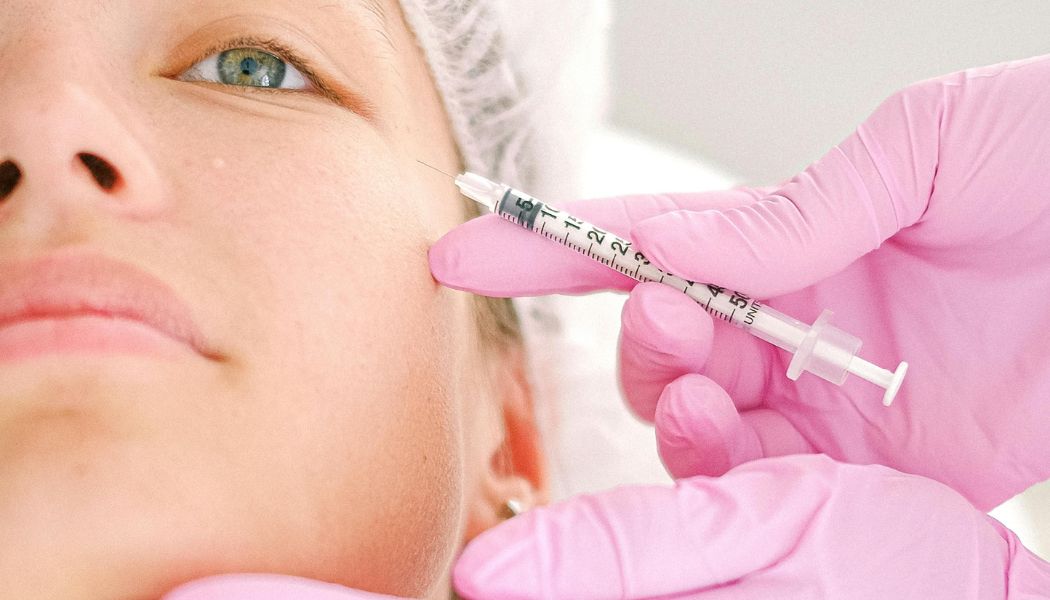
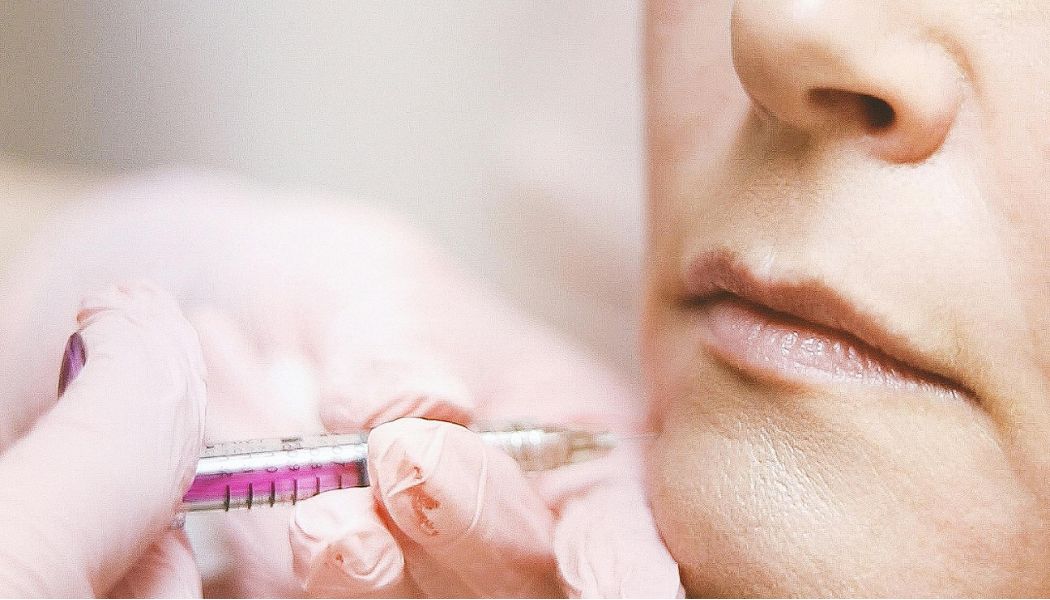
Dermal fillers jawline treatments use hyaluronic acid or calcium hydroxylapatite injections to enhance jaw definition, correct asymmetry, and create a more angular facial profile. Unlike surgical options requiring 2-3 weeks of recovery, injectable treatments allow patients to resume normal activities immediately while achieving visible contouring that lasts 12-24 months.
The procedure involves the strategic placement of fillers along the mandibular angle, chin, and pre-jowl areas to provide structural support and definition. Modern techniques combine deep structural support with superficial refinements, addressing both bone loss and soft tissue changes that occur with ageing.
Types of Fillers for Jawline Enhancement
Hyaluronic Acid Fillers
Hyaluronic acid (HA) fillers such as Juvederm Voluma and Restylane Lyft are commonly used at a Medical Aesthetic Clinic In Singapore to restore facial volume and structure. These fillers contain modified sugar molecules that integrate smoothly with facial tissues, providing 12–18 months of enhancement. They can also be dissolved with a hyaluronidase enzyme if adjustments are required. HA fillers attract water molecules, creating natural-looking volume while preserving normal facial movement.
The cross-linking technology in modern HA fillers determines their lifting capacity and longevity. Higher cross-linked formulations provide greater structural support for areas such as jawline contouring, while maintaining smooth integration with surrounding tissues.
Calcium Hydroxylapatite Fillers
Radiesse contains calcium microspheres suspended in a gel carrier that stimulates collagen production while providing immediate volume. This filler creates firmer support for jawline definition lasting 18-24 months. The calcium particles gradually dissolve, leaving behind newly formed collagen that maintains some improvement even after the filler metabolises.
Unlike HA fillers, calcium hydroxylapatite is insoluble and therefore requires precise placement by experienced injectors. The material’s higher G-prime (a measure of stiffness) makes it particularly effective for achieving sharp jawline angles and chin projection.
Poly-L-Lactic Acid Stimulators
Sculptra works differently by triggering collagen production over 4-6 months rather than providing immediate volume. Treatment requires 2-3 sessions spaced 6-8 weeks apart, with results developing gradually and lasting up to 2 years. This biostimulator is suitable for patients seeking subtle, natural enhancement rather than dramatic, immediate changes.
Injection Techniques and Placement
Anatomical Mapping
Successful jawline contouring requires an understanding of the facial anatomical layers: skin, superficial fat, SMAS (superficial musculoaponeurotic system), deep fat, and periosteum. Injectors evaluate the gonial angle (jaw angle), mandibular body, and mental protuberance (chin projection) to determine optimal filler placement.
Key injection points include:
- Mandibular angle: 2-3cm anterior to the ear at the jaw corner
- Mandibular body: Along the jawline between the angle and the chin
- Pre-jowl sulcus: Depression beside the chin requiring 0.5-1.0ml per side
- Chin: Central point and lateral projections for width
Cannula vs Needle Techniques
Blunt-tip cannulas reduce bruising risk and allow smoother filler distribution along the jawline. Entry points at the mandibular angle and pre-jowl area provide access for treating the entire jaw contour. The cannula glides through tissue planes, depositing filler in linear threads or fanning patterns.
Sharp needles offer precise placement for structural support directly on bone. The perpendicular injection technique places filler in the supraperiosteal plane, creating a firm foundation for jawline definition. This method requires multiple injection points but provides maximum lifting effect.
Layering Approach
Modern jawline enhancement uses a multi-layer technique:
- Deep layer: Structural support on periosteum using firm fillers
- Intermediate layer: Volume restoration in deep fat compartments
- Superficial layer: Fine-tuning and smoothing irregularities
Each layer requires different filler properties and injection depths. Deep injections use 1.0-2.0ml of high G-prime filler per side, while superficial refinements need 0.2-0.5ml of softer formulation.
Treatment Process and Timeline
Initial Consultation
Facial analysis includes photography from frontal, oblique, and profile views. Practitioners assess bone structure, soft tissue volume, skin quality, and asymmetries. Digital imaging may demonstrate potential outcomes, though individual results vary based on anatomy and filler response.
Medical history review covers:
- Previous facial treatments and reactions
- Current medications affecting bruising (aspirin, NSAIDs, supplements)
- Allergies to filler components or lidocaine
- Active skin infections or inflammatory conditions
- Pregnancy or breastfeeding status
Treatment Day Protocol
Pre-treatment preparation includes facial cleansing and the application of a topical anaesthetic for 20-30 minutes. Some practitioners administer nerve blocks at the mental foramen to enhance comfort during chin and lower-jaw injections.
The injection process takes 30-45 minutes:
- Marking injection points and treatment zones
- Skin preparation with an antiseptic solution
- Sequential injection following anatomical guidelines
- Massage and moulding to ensure smooth contour
- Ice application to minimise swelling
Post-treatment instructions cover:
- Avoiding pressure on treated areas for 24 hours
- Sleeping with the head elevated for 2-3 nights
- Postponing facial treatments for 2 weeks
- Using cold compresses for swelling control
Recovery Timeline
- Day 1-3: Maximum swelling, possible bruising at injection sites
- Day 4-7: Swelling subsides, filler begins settling
- Day 14: Initial results visible, minor adjustments possible
- Week 4-6: Final results apparent, filler fully integrated
Managing Risks and Complications
Common Side Effects
Temporary swelling affects most patients, particularly in the morning, for 3-5 days post-treatment. Bruising is common and typically lasts 7-10 days. Tenderness at injection sites typically resolves within 48-72 hours.
Minor asymmetries may initially result from uneven swelling. These usually self-correct as inflammation subsides. If asymmetry persists beyond 2 weeks, small amounts of additional filler can achieve balance.
Serious Complications
Vascular occlusion represents a serious risk, occurring when filler enters or compresses blood vessels. Signs include immediate blanching, pain disproportionate to the procedure, and skin mottling. Immediate treatment with hyaluronidase and vasodilators prevents tissue damage.
The risk of infection remains low with proper sterile technique. Delayed nodules or granulomas may develop weeks to months after treatment and may require anti-inflammatory medication or surgical removal in rare cases.
Prevention Strategies
Choosing qualified injectors with detailed anatomical knowledge reduces the risk of complications. Aspiration before injection, slow injection speed, and small volume increments help avoid vascular complications. Using cannulas in high-risk areas provides an additional safety margin.
Results and Longevity
Immediate vs Long-term Changes
Initial results appear immediately but include 20-30% swelling that distorts true outcomes. The final result is achieved after 2-4 weeks, when swelling resolves and the filler integrates with the tissues. Some patients experience continued improvement over 3-6 months as collagen stimulation occurs.
HA fillers maintain a consistent volume throughout their lifespan and gradually break down after 12-18 months. Calcium hydroxylapatite shows a more gradual decline, with some structural improvement persisting beyond 24 months due to collagen formation.
Factors Affecting Duration
Metabolic rate influences filler longevity; patients with higher metabolic rates may experience earlier volume loss. Injection depth also matters: deeper placement near bone lasts longer than superficial injections, subject to facial movement.
Lifestyle factors impacting duration include:
- Exercise intensity and frequency
- Sun exposure and heat exposure
- Smoking status
- Hydration levels
- Sleep position (side sleeping may accelerate breakdown)
Combining Treatments
Botulinum Toxin Synergy
Masseter botulinum toxin injections complement jawline fillers by reducing lower facial volume and enhancing angular definition. Treatment involves 25-30 units per side, with slimming effects visible after 4-6 weeks. This combination creates a “V-line” jaw appearance popular in Asian aesthetics.
Platysma bands pulling down on the jawline respond to botulinum toxin treatment along the neck. This “Nefertiti lift” technique uses 20-40 units to relax the downward pull, enhancing the jawline contour achieved with fillers.
Thread Lifts
PDO (polydioxanone) threads provide additional lifting and tightening to complement filler volume. Threads placed along the jawline create a scaffold effect, particularly beneficial for patients with mild skin laxity. The combination addresses both volume loss and sagging for comprehensive rejuvenation.
Skin Tightening Devices
Radiofrequency and ultrasound devices like Thermage and Ultherapy enhance skin quality along the jawline. These treatments stimulate collagen remodelling over 3-6 months, improving the skin envelope that showcases filler results. Optimal timing for skin-tightening treatments is 1 month before or after filler placement.
Commonly Asked Questions
How much filler is typically needed for jawline contouring?
Most patients require 2-4ml total for noticeable jawline enhancement, divided between both sides. Significant volume loss or desire for dramatic change may need 4-6ml. Initial treatments typically employ conservative volumes, with touch-ups after 2-4 weeks.
Can jawline fillers help with jowls?
Fillers address mild jowling by creating structure in pre-jowl areas and along the mandible. Moderate to severe jowls with significant skin excess require surgical intervention for optimal correction. Strategic placement of fillers can camouflage early jowl formation.
Do jawline fillers hurt more than other areas?
The jawline contains fewer nerve endings than the lips, making it generally more comfortable for injection. Bone contact during deep injection may cause pressure sensation. Most patients rate discomfort as 3-4/10 with a topical anaesthetic.
How do I choose between different filler types?
Filler selection depends on the desired outcome timeline, previous filler experience, and anatomical needs. HA fillers are suitable for first-time patients due to their reversibility. Calcium hydroxylapatite is suitable for those seeking longer-lasting and firmer support.
Can men get jawline fillers?
Male jawline enhancement focuses on creating stronger angles and a more prominent chin projection. Treatment typically requires larger volumes (4-6ml) and deeper placement to achieve masculine features. The technique emphasises width at the jaw angles and a squared chin shape.
When to Seek Professional Help
- Visible facial asymmetry affects confidence
- Age-related volume loss in the lower face
- Weak chin or undefined jawline structure
- Jowl formation is beginning to appear
- Previous filler treatment requiring touch-up or enhancement
Putting This Into Practice
- Document your current jawline appearance with photos from multiple angles
- Research different filler types and their duration to match your lifestyle needs
- Schedule consultation with MOH-accredited aesthetic doctor to assess your facial structure
- Plan treatment timing allowing 2 weeks before important events for swelling resolution
Next Steps
Dermal fillers for jawline contouring provide non-surgical facial enhancement with immediate results and minimal downtime. Success relies on accurate anatomical assessment, appropriate filler selection, and precise injection technique.
If you’re experiencing age-related facial volume loss or seeking jawline enhancement, our MOH-accredited aesthetic doctors can design a personalised treatment plan using proven techniques with dermal fillers in Singapore.