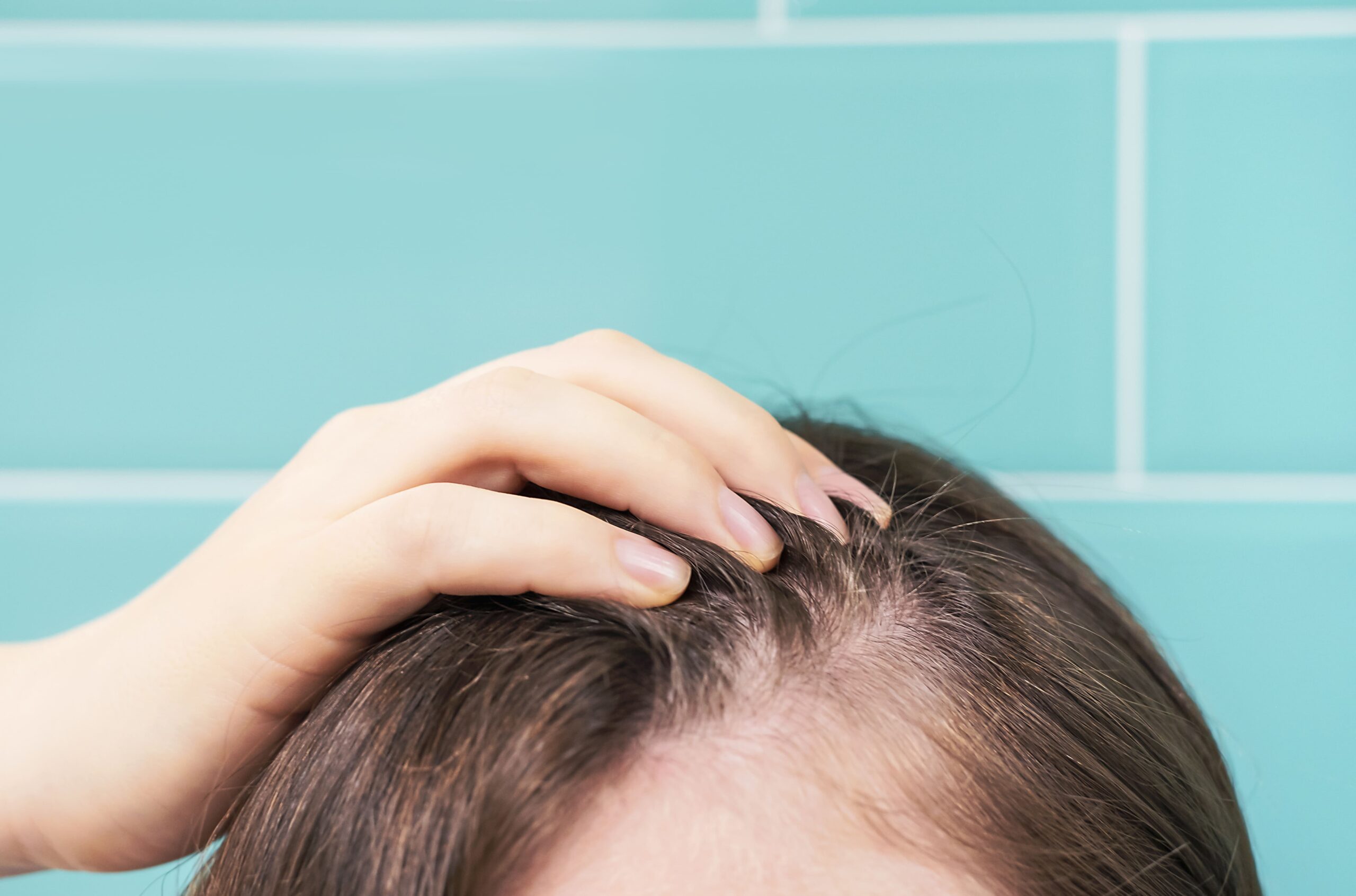
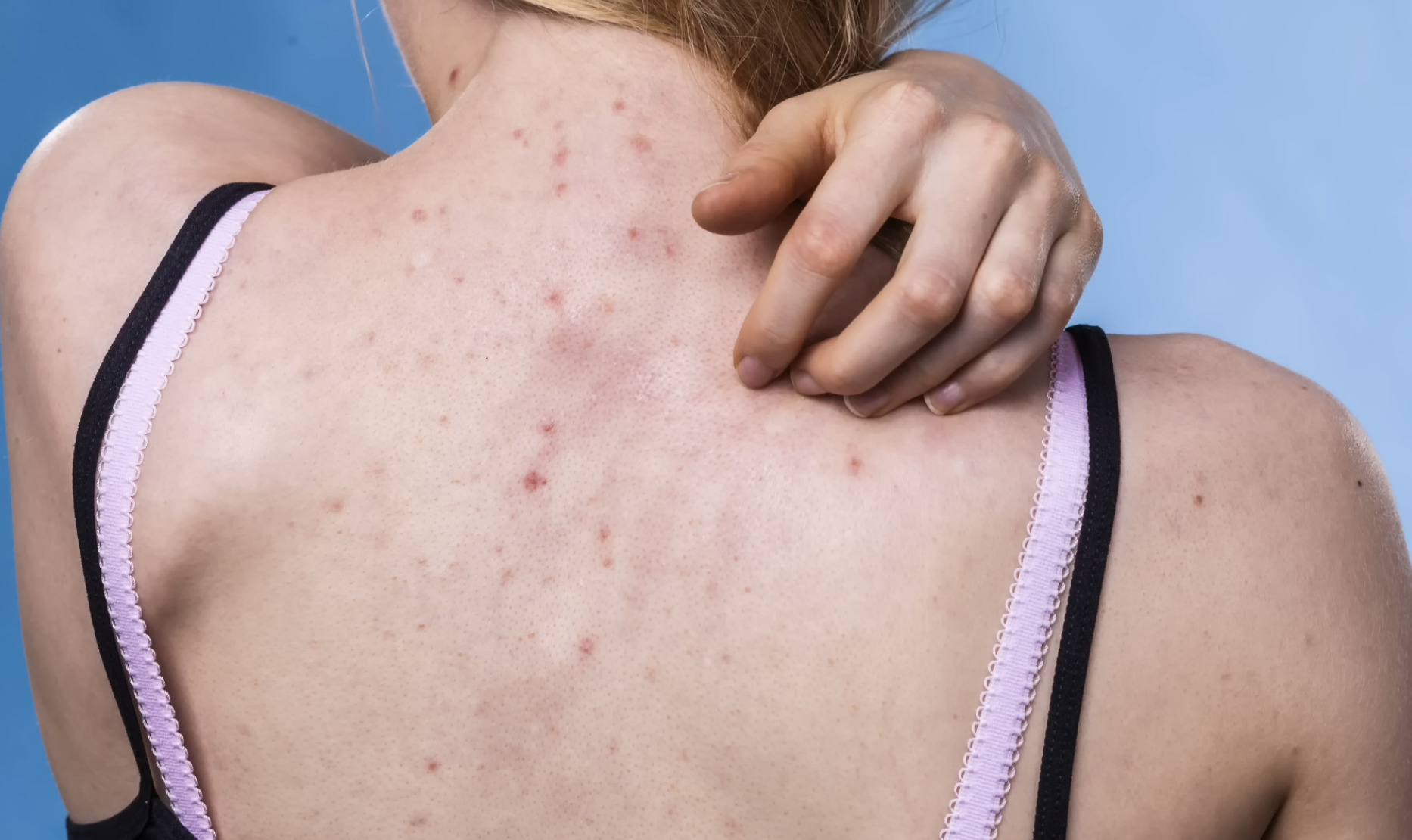
Scalp acne appears as small bumps, pustules, or painful nodules along the hairline and throughout the scalp. Unlike facial acne, these breakouts hide beneath hair, making treatment challenging and often delaying proper diagnosis. The condition ranges from mild comedones to severe cystic lesions, which can lead to permanent hair loss if left untreated.
The scalp’s unique environment – with dense hair follicles, high sebum production, and frequent product use – creates specific treatment challenges. Standard acne medications often fail to penetrate through hair and reach affected areas. Scalp acne treatment requires targeted approaches that address both the acne itself and the complications of treating skin covered by hair.
Understanding Scalp Acne Formation
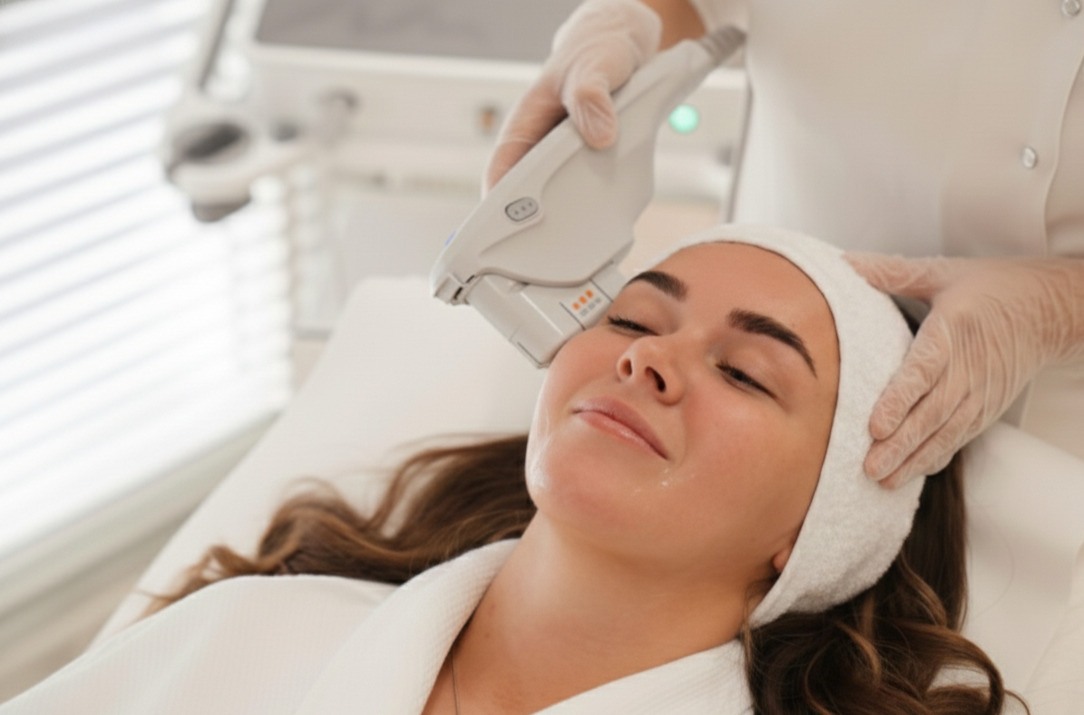
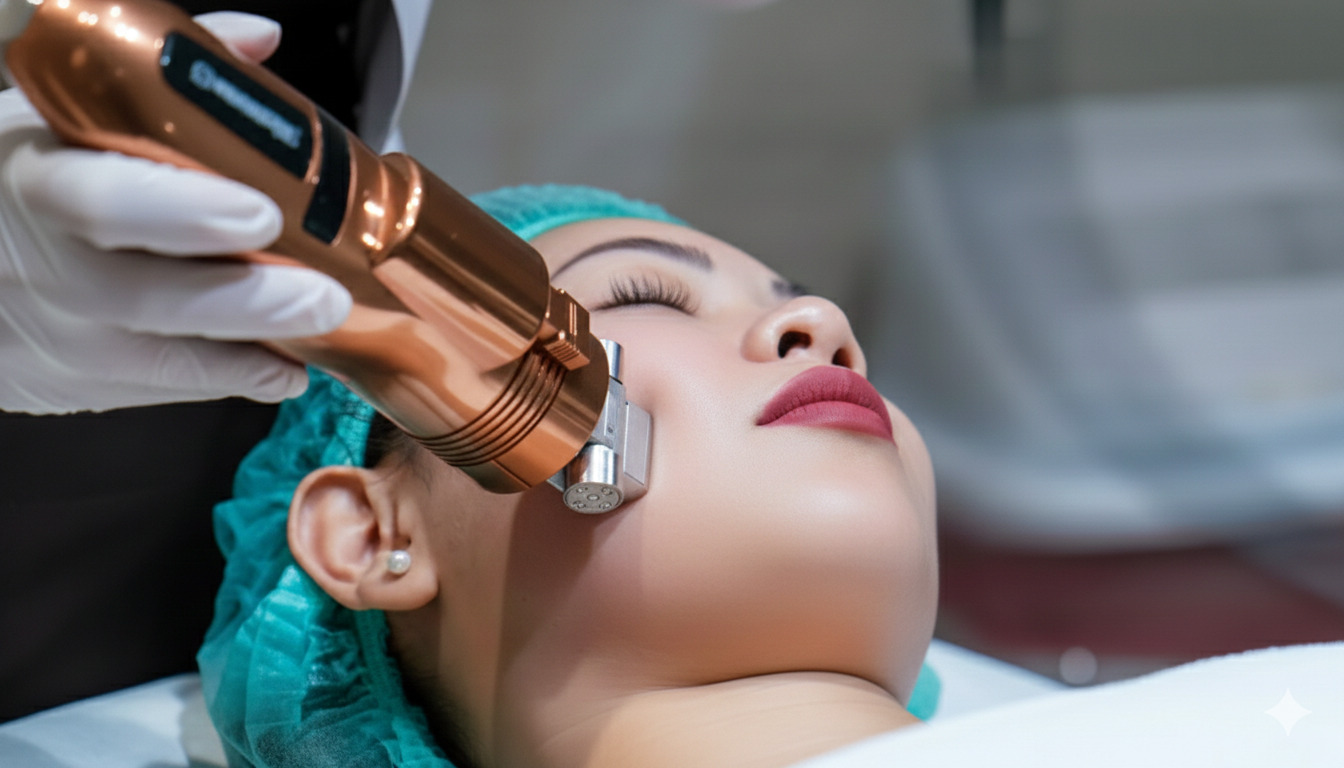
Scalp acne develops through the same mechanism as facial acne: hair follicles become clogged with dead skin cells, sebum, and bacteria. The scalp contains more sebaceous glands per square centimetre than most body areas, producing significant amounts of oil throughout the day, and is often evaluated at a medical aesthetic clinic in Singapore when persistent or severe.
Hair care practices directly influence the development of scalp acne. Heavy conditioners, styling products, and infrequent washing allow buildup that blocks follicles. Product ingredients such as silicones, oils, and waxes create occlusive barriers that trap bacteria and debris on the scalp.
Propionibacterium acnes bacteria thrive in the oxygen-poor environment of clogged follicles. These bacteria trigger inflammatory responses, transforming simple blocked pores into red, painful bumps. The inflammation can extend deep into the scalp, creating nodular or cystic acne that damages surrounding tissue.
Mechanical factors worsen scalp acne. Tight hairstyles, frequent hat-wearing, and aggressive brushing generate friction and pressure that irritate follicles. Scratching or picking at bumps introduces additional bacteria and increases the risk of scarring.
Medical Treatment Options
Topical treatments for scalp acne require special formulations that penetrate through hair. Salicylic acid shampoos at 2-3% concentration dissolve dead skin cells and oil buildup. Leave shampoo on the scalp for 3-5 minutes before rinsing to allow adequate contact time.
Benzoyl peroxide solutions kill acne-causing bacteria but require careful application. The 2.5-5% formulations work effectively while minimizing scalp irritation. Apply directly to affected areas using a cotton swab, avoiding excessive product on hair to prevent bleaching.
? Did You Know?
Scalp acne responds differently to treatments than facial acne because the thicker scalp skin and hair coverage affect medication absorption. Formulations designed for facial use often prove ineffective on the scalp.
Prescription topical antibiotics, such as clindamycin, are available in solution form for scalp application. These medications reduce bacterial populations and inflammation. Apply twice daily to a clean, dry scalp for optimal absorption.
Oral medications become necessary for moderate to severe scalp acne. Doxycycline and minocycline reduce systemic inflammation and bacterial growth. Treatment typically continues for 8-12 weeks, with improvement visible after 4-6 weeks.
Isotretinoin is indicated for severe, scarring scalp acne that has not responded to other treatments. This medication reduces sebum production dramatically and prevents follicle blockage. Monthly monitoring ensures safety throughout the typical 4-6 month treatment course.
Professional In-Clinic Treatments
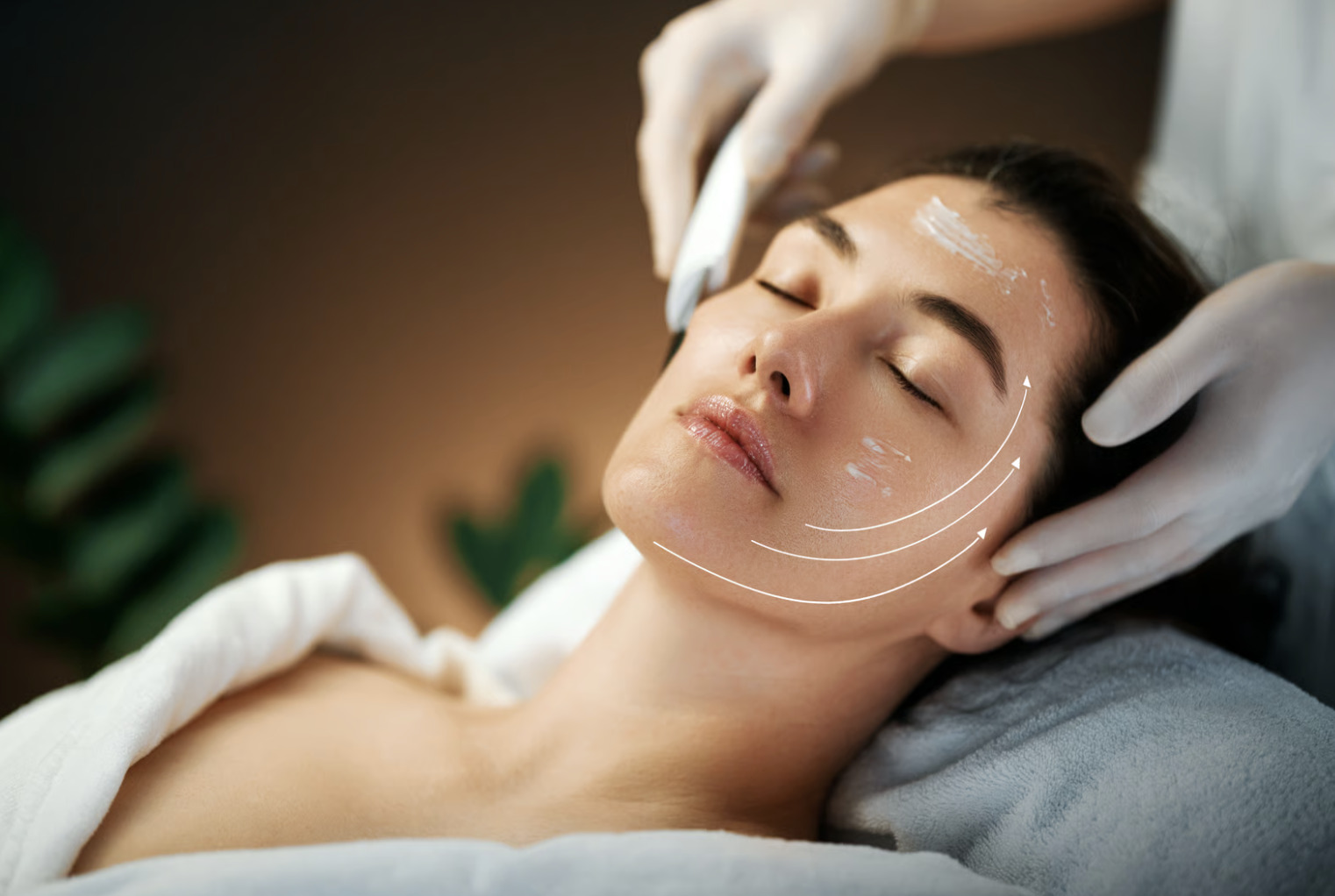
Chemical peels adapted for scalp use dissolve surface buildup and unclog follicles. Glycolic acid peels at 20-30% concentration penetrate through the hair effectively. Treatment sessions occur every 2-4 weeks until acne clears.
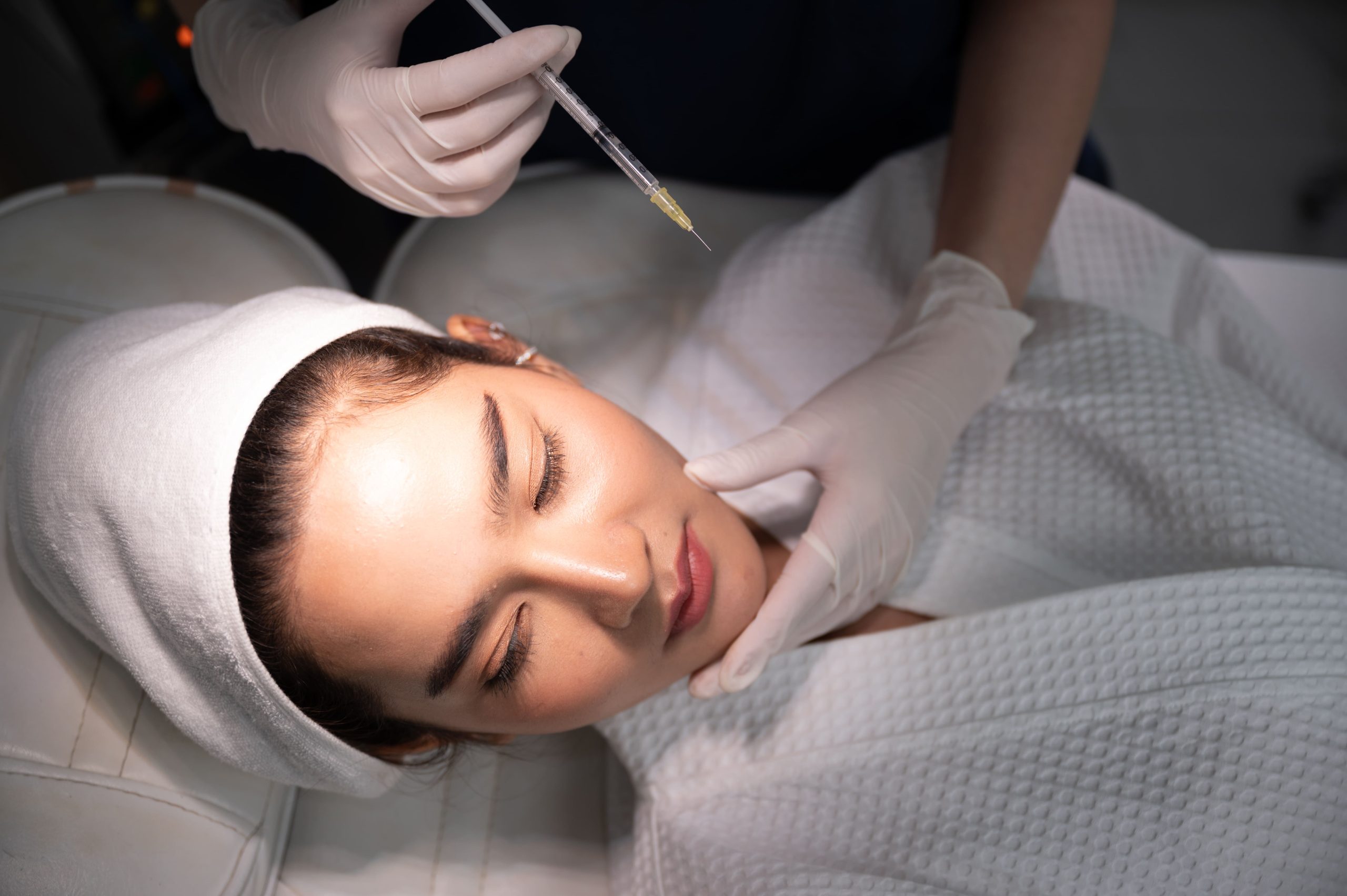
Corticosteroid injections rapidly reduce large, painful nodules. Triamcinolone acetonide injected directly into lesions decreases inflammation within 24-48 hours. This treatment prevents scarring from deep cystic acne but requires a precise technique to avoid skin atrophy.
LED light therapy targets acne bacteria and reduces inflammation. Blue light (415nm) destroys P. acnes bacteria, whereas red light (630nm) promotes healing. Sessions last 15-20 minutes, performed twice weekly during active breakouts.
Extraction procedures remove stubborn comedones and prevent progression to inflamed acne. Specialized tools designed for scalp work navigate around hair follicles. Professional extraction reduces the risk of scarring compared with at-home picking.
⚠️ Important Note
Never attempt to extract deep scalp lesions at home. Improper technique can push infection deeper, potentially leading to cellulitis or permanent scarring.
Hair Care Modifications
Shampoo selection significantly impacts scalp acne. Choose sulfate-free formulas without heavy moisturizers or oils. Clarifying shampoos used weekly remove product buildup without daily overuse that strips natural oils.
Washing frequency depends on scalp oiliness and acne severity. Daily washing benefits oily scalps with active acne. Use lukewarm water and gentle circular motions to cleanse without irritating inflamed areas.
Conditioner application technique prevents pore blockage. Apply conditioner only to hair lengths and ends, avoiding the scalp entirely. Rinse thoroughly with cool water to ensure complete removal.
Styling product choices affect acne development. Water-based, non-comedogenic formulas replace heavy pomades and waxes. Spray products allow targeted application without scalp contact.
Identifying Triggers
Dietary associations with scalp acne remain individual. High-glycemic foods and dairy products may trigger acne in some individuals. Keep a food diary to identify personal triggers through systematic elimination and reintroduction.
Hormonal fluctuations influence scalp acne patterns. Women often notice increased breakouts during menstrual cycles, pregnancy, or perimenopause. Tracking the timing of breakouts helps identify hormonal connections.
Stress exacerbates scalp acne through increased cortisol production. Cortisol stimulates sebum production and impairs skin barrier function. Stress management techniques complement medical treatments.
Environmental factors contribute to scalp acne. High humidity increases sweat and oil production. Air pollution deposits particles that clog follicles. Protective measures, such as wearing loose-fitting hats in polluted areas, help minimize exposure.
What Our Aesthetic Doctor Says
Scalp acne often indicates underlying dysfunction of the sebaceous glands beyond simple hygiene issues. A comprehensive evaluation assesses hormonal status, medication history, and genetic factors, along with a detailed scalp assessment.
Treatment plans combine immediate symptom relief with long-term prevention strategies. Initial aggressive treatment helps clear active lesions, followed by maintenance therapy to reduce the risk of recurrence.
Many patients require combination approaches, using topical treatments for mild areas alongside oral medications for more resistant zones. Treatment adjustments are made based on response patterns and side effect profiles.
Post-inflammatory hyperpigmentation and scarring present unique challenges on the scalp. Early intervention is more effective at preventing these complications than treating established scars.
Putting This Into Practice
- Implement a consistent scalp care routine using medicated shampoo on affected areas, allowing 5-minute contact time before thorough rinsing
- Document breakout patterns in relation to product use, creating a log of flare-ups to identify specific triggers
- Modify hair styling habits by switching to loose hairstyles and avoiding heavy products near the scalp
- Clean hair accessories regularly, washing brushes weekly, and replacing them every 3-6 months
- Schedule a professional evaluation if over-the-counter treatments show no improvement after 6-8 weeks
When to Seek Professional Help
- Painful, deep nodules that persist beyond two weeks
- Scalp acne accompanied by hair loss or bald patches
- Fever or spreading redness indicating possible infection
- Scarring or dark spots developing from healed lesions
- No improvement after 8 weeks of consistent over-the-counter treatment
- Emotional distress or social anxiety related to scalp condition
Commonly Asked Questions
Can scalp acne cause permanent hair loss?
Severe scalp acne, particularly nodulocystic types, can damage hair follicles, leading to scarring alopecia. Early treatment prevents follicle destruction. Once scarring occurs, hair cannot regrow in affected areas, underscoring the importance of prompt medical attention.
How long does scalp acne treatment take to work?
Topical treatments typically show initial improvement within 4-6 weeks, with significant clearing by 12 weeks. Oral medications may be more effective, with visible results in 3-4 weeks. Complete resolution often requires 3-6 months of consistent treatment.
Should I stop using all hair products during treatment?
Complete product elimination isn’t necessary. Switch to non-comedogenic, water-based formulas and avoid applying products directly to the scalp. Focus products on hair shafts and ends while keeping the scalp clear.
Can dandruff shampoo help scalp acne?
Certain dandruff shampoos containing zinc pyrithione or ketoconazole reduce scalp inflammation and fungal overgrowth, which can exacerbate acne. These ingredients complement acne-specific treatments but don’t replace targeted therapy.
Is scalp acne contagious?
Scalp acne isn’t contagious. While bacteria play a role in acne development, these are normal skin bacteria that become problematic only when trapped in clogged follicles. Sharing hair tools won’t spread acne between people.
Why shouldn’t I treat scalp acne at home?
The scalp has a high density of sebaceous glands and hair follicles, making it prone to deep-seated inflammation that is difficult to reach. To prevent the progression of painful nodules, a professional Acne Removal Treatment allows for the sterile clearance of blocked follicles, reducing the risk of secondary infection and potential scarring. This clinical approach ensures that the surrounding hair follicles remain undamaged while the active inflammation is resolved.
Can scalp acne lead to permanent scars or hair loss?
Unfortunately, chronic or deep-seated scalp inflammation can damage the underlying tissue and hair follicles, leading to permanent indentations or “pitting.” If deep cystic lesions have already resulted in textural changes, a consultation for Acne Scar Treatment in Singapore can help determine the best course for tissue remodelling. By addressing the scar tissue early, it is often possible to soften the area and restore a smoother scalp surface
Next Steps
Professional evaluation identifies the specific type and severity of scalp acne, enabling personalised treatment selection. Early intervention helps prevent scarring and hair loss while restoring scalp health.
If you’re experiencing persistent scalp bumps, painful nodules, or acne-related hair loss, our aesthetic doctors can provide a comprehensive evaluation and treatment options as part of acne treatment in Singapore.