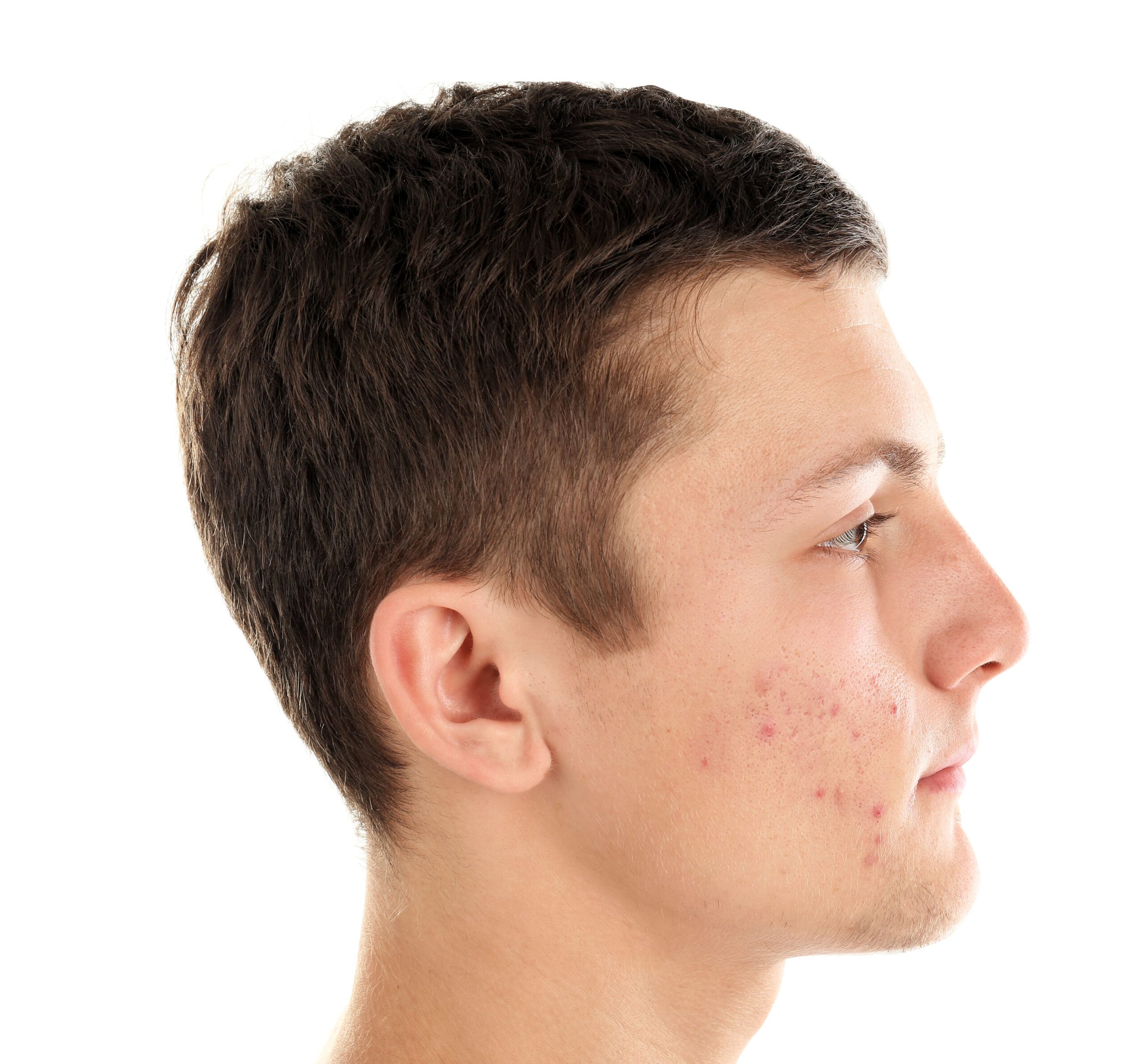
Hormonal acne in men typically presents as deep, painful cysts along the jawline, chin, and lower face, often persisting beyond adolescence into the twenties and thirties. Unlike surface-level blackheads or whiteheads, hormonal acne forms when androgens such as testosterone and dihydrotestosterone (DHT) stimulate excess sebum production, which combines with dead skin cells to block pores and create an environment in which Cutibacterium acnes thrives. This deeper inflammation requires targeted treatment approaches that address both the hormonal triggers and the resulting skin damage.
The relationship between male hormones and acne involves several mechanisms. Androgens bind to receptors in sebaceous glands, increasing sebum production and altering its composition, making it thicker and more likely to clog pores. Simultaneously, these hormones accelerate skin cell turnover without proper shedding, creating additional blockages. Men often experience fluctuations in hormone levels due to stress, diet, exercise patterns, or underlying endocrine conditions, making consistent acne management challenging without understanding these connections.
Identifying Hormonal Acne Patterns
Male hormonal acne presents distinct characteristics that differentiate it from other acne types. The lesions typically concentrate along the lower third of the face, particularly the jawline and neck area, where androgen receptors are most dense. At a medical aesthetic clinic in Singapore, these breakouts are commonly observed as deep nodules or cysts rather than surface pustules, and they often feel tender or painful even without palpation. Acne tends to flare in cycles, worsening during periods of stress or dietary changes that affect hormone levels.
Timing patterns provide additional diagnostic clues. Many men notice breakouts intensifying after heavy workouts, during exam periods, or following dietary indulgences in dairy or high-glycemic foods. Acne may temporarily improve with basic skincare, but it recurs and is resistant to over-the-counter treatments. Some men report correlations with shaving frequency, as mechanical irritation can exacerbate preexisting hormonal inflammation.
Physical examination reveals inflammatory papules and nodules measuring 5mm or larger, often leaving post-inflammatory hyperpigmentation or scarring even after healing. The surrounding skin frequently appears oily, particularly in the T-zone, with enlarged pores visible on close inspection. Unlike adolescent acne, which may involve comedones across the forehead and nose, adult male hormonal acne typically concentrates in beard distribution areas.
Medical Treatment Options
Topical Retinoids
Tretinoin, adapalene, and tazarotene represent first-line topical treatments for hormonal acne. These vitamin A derivatives normalize skin cell turnover, preventing pore blockages while reducing existing inflammation. Starting concentrations typically range from 0.025% tretinoin or 0.1% adapalene, applied nightly after cleansing. Initial irritation, redness, and peeling commonly occur during the first 4-6 weeks as the skin adjusts, requiring the use of a moisturizer and, in some cases, alternating-night application initially.
Retinoids work by binding to retinoic acid receptors in skin cells, regulating gene expression to reduce sebum production and inflammatory markers. The comedolytic effect helps existing acne resolve while preventing new lesions. Full benefits emerge after 12-16 weeks of consistent use, with maintenance therapy continuing indefinitely to sustain results.
Oral Medications
When topical treatments prove insufficient, oral medications target the hormonal acne systemically. Antibiotics like doxycycline (50-100mg daily) or minocycline reduce C. acnes proliferation while providing anti-inflammatory effects. Treatment duration typically spans 3-4 months, combined with topical therapy to prevent antibiotic resistance.
For severe or scarring acne, isotretinoin offers a comprehensive approach. This oral retinoid reduces sebaceous gland size, normalizes keratinization, and provides lasting remission in many patients. Daily doses range from 0.5 to 1.0 mg/kg body weight and are continued for 4-6 months, until a cumulative dose of 120-150mg/kg is achieved. Regular blood monitoring checks liver enzymes and lipid levels throughout treatment.
Some men benefit from anti-androgen medications when other treatments fail. Spironolactone, though commonly prescribed for women, can help men with documented hormonal imbalances at doses of 50-100mg daily. However, potential side effects, including gynecomastia and decreased libido, limit its use in male patients.
Professional Procedures
Chemical peels using salicylic acid (20-30%) or glycolic acid (30-70%) accelerate cellular turnover and reduce inflammation when performed every 2-4 weeks. The beta-hydroxy structure of salicylic acid allows penetration into oil-filled pores, making it particularly effective for hormonal acne. Post-peel care involves sun protection and gentle skincare to prevent irritation.
Laser and light therapies target different aspects of acne pathophysiology. Blue light (415nm) destroys C. acnes bacteria via photoactivation of bacterial porphyrins. Red light (630-700nm) reduces inflammation and promotes healing. Combination treatments using both wavelengths, performed twice weekly for 4-8 weeks, show improvement in inflammatory lesions.
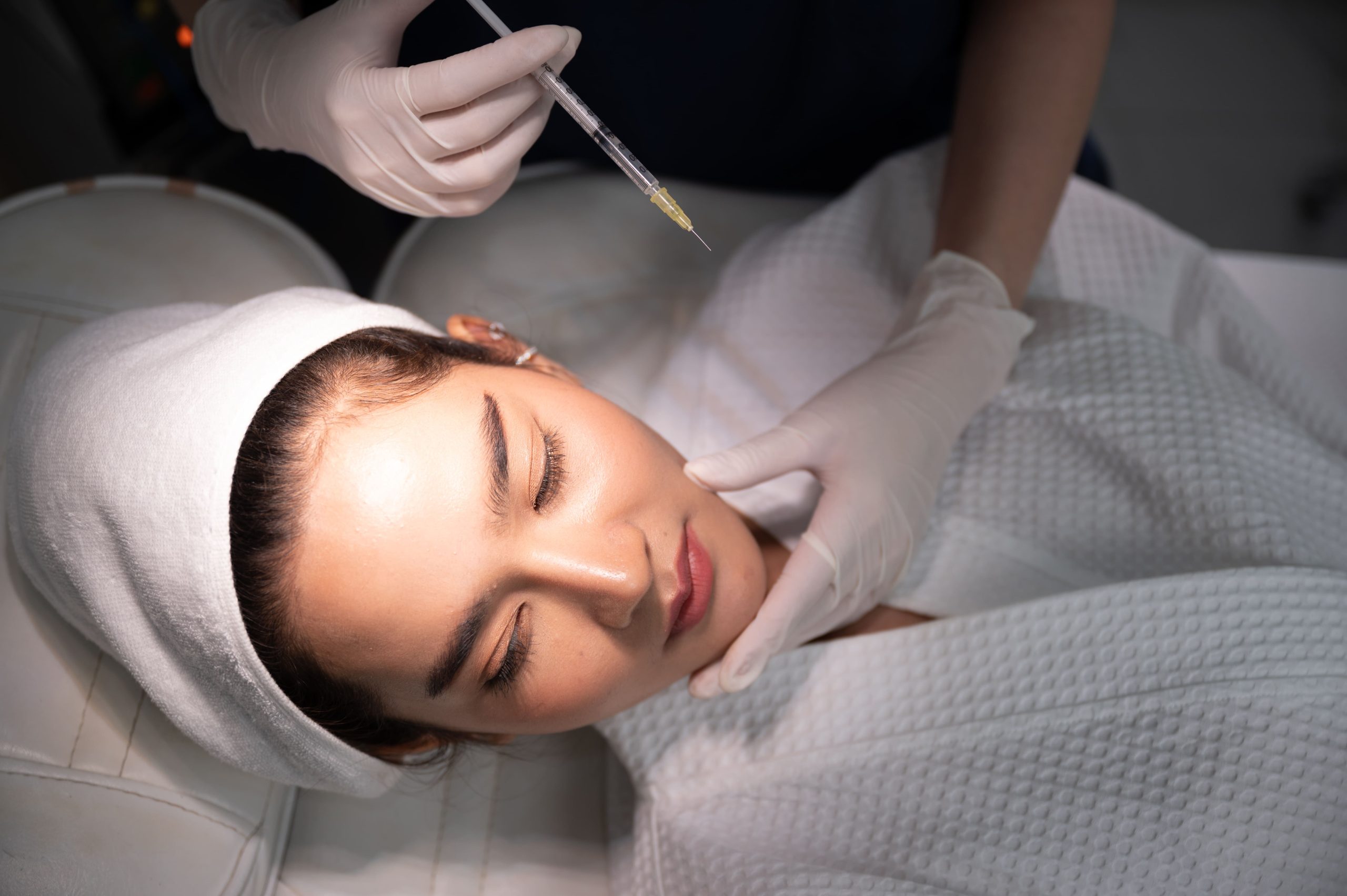
For immediate relief of large cysts, intralesional corticosteroid injections deliver triamcinolone acetonide (2.5-5mg/mL) directly into lesions. The anti-inflammatory effect reduces swelling within 24-48 hours, preventing scarring from severe nodules. Multiple injections may be needed for widespread cystic acne.
Lifestyle Modifications
Dietary Adjustments
High-glycemic foods stimulate insulin and insulin-like growth factor-1 (IGF-1) secretion, thereby promoting androgen synthesis and sebum production. Replacing refined carbohydrates with complex carbohydrates, lean proteins, and healthy fats helps stabilize hormone levels. Specific foods to limit include:
- White bread
- Sugary beverages
- Processed snacks
- Foods with added sugars
Dairy products contain hormones and bioactive compounds that may exacerbate acne in individuals with acne-prone skin. Whey protein supplements, popular among men for muscle building, particularly correlate with acne flares due to their insulin-stimulating properties. Switching to plant-based protein sources or limiting dairy intake to fermented products such as yogurt may reduce acne.
Omega-3 fatty acids from fish oil (1-2g daily) or dietary sources provide anti-inflammatory benefits. Zinc supplementation (30-40mg daily) supports skin healing and immune function, though excessive doses can cause gastrointestinal upset. Probiotics may help by modulating the gut-skin axis, with specific strains such as Lactobacillus rhamnosus showing promise in preliminary studies.
Stress Management
Chronic stress elevates cortisol levels, which indirectly increase androgen production and worsen acne. Regular exercise provides stress relief while improving circulation and toxin elimination through sweat. However, excessively high-intensity training can temporarily spike testosterone and DHT levels, requiring balance in workout intensity.
Sleep quality directly impacts hormone regulation, with insufficient sleep disrupting cortisol rhythms and increasing inflammation. Maintaining 7-9 hours of consistent sleep, avoiding screens before bedtime, and creating a cool, dark sleeping environment support hormonal balance. Some men find meditation apps or progressive muscle relaxation techniques helpful for managing stress-related flares.
Skincare Routine Optimisation
Morning routines should include gentle cleansing with a salicylic acid or benzoyl peroxide wash (2-4% concentration), followed by an oil-free moisturizer containing niacinamide or hyaluronic acid. Sunscreen application prevents post-inflammatory hyperpigmentation from worsening; mineral formulations containing zinc oxide or titanium dioxide are less likely to clog pores.
Evening routines focus on treatment application after thorough cleansing. Retinoid application follows a pea-sized amount rule for the entire face, avoiding the eye area and lips. On alternate nights or for sensitive skin, azelaic acid (15-20%) provides antimicrobial and anti-inflammatory benefits with less irritation than retinoids.
Weekly exfoliation using beta-hydroxy acid (BHA) products helps prevent pore congestion without over-stripping skin. Clay masks containing kaolin or bentonite absorb excess oil when applied 1-2 times per week. Over-exfoliation exacerbates inflammation and impairs skin barrier function, underscoring the importance of moderation.
? Did You Know?
Male skin produces approximately twice as much sebum as female skin due to higher androgen levels, but this oil production naturally decreases with age, explaining why hormonal acne often improves in the forties and beyond.
What Our Aesthetic Doctor Says
“Male patients often delay seeking treatment for hormonal acne, arriving only after developing significant scarring. Early intervention with appropriate medical-grade treatments prevents permanent skin damage and reduces the psychological impact of persistent acne. I emphasize combination therapy – using both topical and oral medications while addressing lifestyle factors – for optimal results. Many men are surprised to learn that their workout supplements or shaving routine may be contributing to their breakouts. Treatment plans must consider each patient’s lifestyle, occupation, and skincare goals to ensure compliance and success.”
Putting This Into Practice
- Map your acne patterns for one month, noting flare-ups in relation to diet, stress, exercise, and sleep patterns to identify personal triggers
- Establish a consistent twice-daily skincare routine using non-comedogenic products, introducing new treatments one at a time to monitor skin response
- Schedule regular follow-ups every 4-6 weeks during active treatment to adjust medications and monitor progress through standardized photography
- Document dietary changes and their effects on skin, particularly regarding dairy, whey protein, and high-glycemic foods
- Create a stress management plan incorporating regular exercise, adequate sleep, and relaxation techniques that fit your schedule
⚠️ Important Note
Isotretinoin requires strict contraception measures even for male patients, as the medication remains in the system and could affect a female partner’s pregnancy. Additionally, avoid vitamin A supplements during any retinoid treatment to prevent toxicity.
When to Seek Professional Help
- Deep, painful cysts lasting more than several days despite home treatment
- Acne leaves dark marks or indented scars after healing
- Breakouts resistant to over-the-counter treatments for more than two months
- Acne affecting self-confidence or daily activities
- Sudden onset of severe acne in adulthood
- Signs of hormonal imbalance, such as excessive body hair growth or male pattern baldness, accompany acne
Commonly Asked Questions
Can hormonal acne be cured permanently?
While isotretinoin provides long-term remission for many patients, hormonal acne may recur if underlying triggers persist. Maintenance therapy using topical retinoids or periodic professional treatments helps prevent recurrence. Lifestyle modifications addressing diet and stress provide additional long-term control.
How long before I see results from treatment?
Topical treatments typically show initial improvement within 6-8 weeks, with optimal results at 3-4 months. Oral medications may be more effective, with antibiotics reducing inflammation within 2-4 weeks. Isotretinoin often causes initial worsening before improvement begins around week 8-10.
Will testosterone replacement therapy worsen my acne?
Exogenous testosterone can trigger or worsen acne in susceptible individuals by increasing sebum production. Men on TRT should work closely with both their endocrinologist and dermatologist to balance hormone optimization with skin health through adjusted dosing or concurrent acne treatment.
Is male hormonal acne different from female hormonal acne?
Male hormonal acne typically presents as deeper cysts concentrated along the jawline and neck, while female hormonal acne may include more surface-level pustules. Treatment approaches differ, with anti-androgen medications more suitable for women and topical/oral retinoids forming the cornerstone of male treatment.
Can shaving affect hormonal acne?
Shaving can aggravate existing acne through mechanical irritation and bacterial spread. Using a clean, sharp razor, shaving in the direction of hair growth, and applying alcohol-free aftershave balm minimizes irritation. Electric razors may benefit those with active inflammatory lesions.
Can professional treatments help with acne caused by hormones?
Yes. While addressing the internal hormonal balance is important, topical and manual interventions are necessary to manage the physical symptoms. For persistent inflammatory lesions, a professional Acne Removal Treatment can help clear existing blockages and prevent the progression of deep-seated cysts. This clinical approach reduces the bacterial load on the skin and helps reset the hair follicles, making your long-term management plan more effective.
How can I improve my skin’s texture after a long period of hormonal acne?
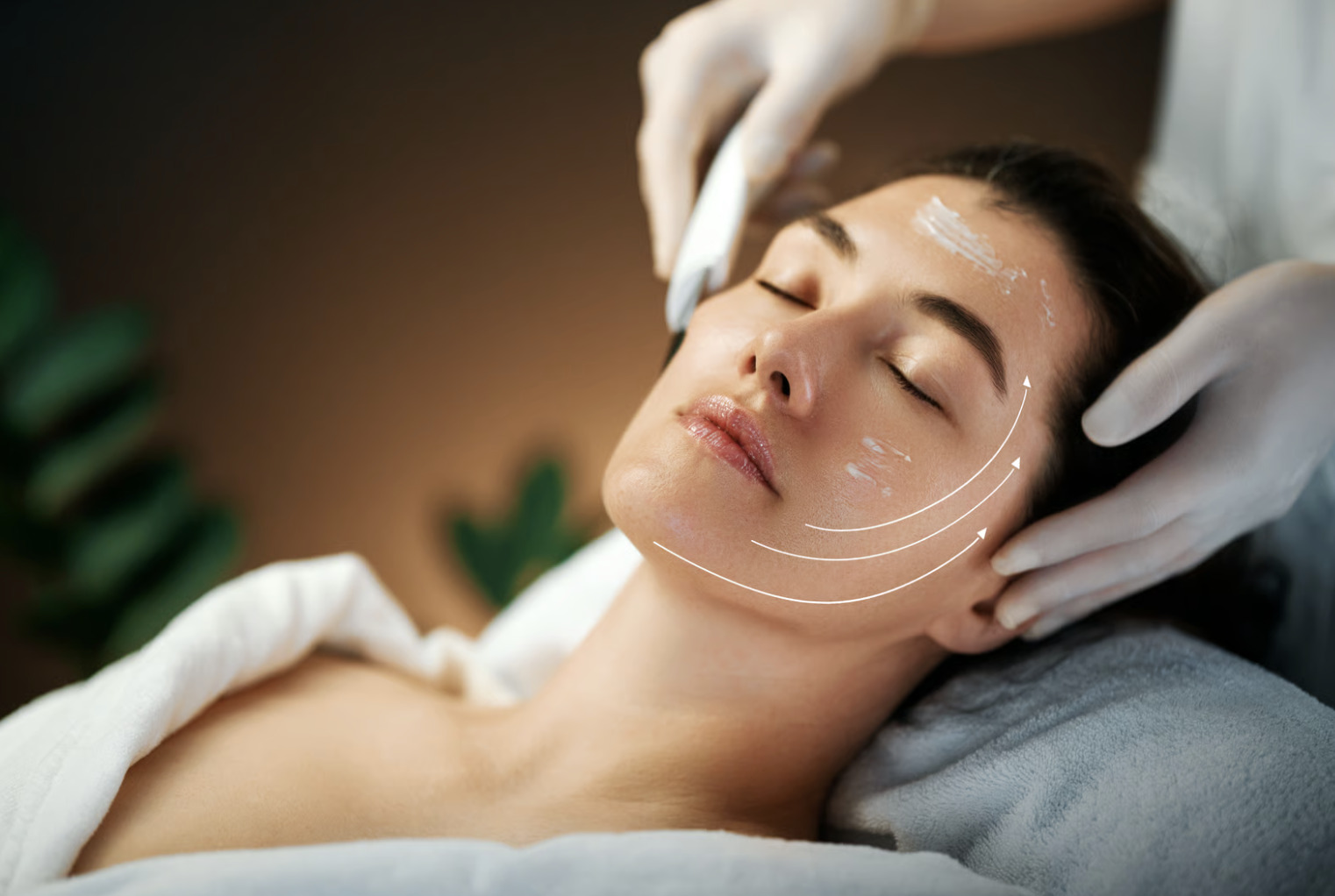
Hormonal breakouts, particularly in men, can often lead to deeper dermal damage that topical skincare alone cannot resolve. To address the structural skin damage often left by hormonal breakouts, RF Microneedling in Singapore is utilised to stimulate collagen remodelling and improve skin resilience. By delivering radiofrequency energy into the deeper dermis, the treatment helps to smooth out indentations and strengthen the skin’s foundation, reducing the visible impact of past inflammation.
Next Steps
Male hormonal acne requires comprehensive treatment that addresses both immediate symptoms and underlying hormonal triggers. Combining medical-grade topicals with oral medications, as needed, and targeted lifestyle modifications provides an effective approach. Early professional intervention prevents scarring and achieves clearer skin more effectively than prolonged self-treatment.
If you’re experiencing persistent cystic acne along your jawline or acne that’s leaving marks despite home treatment, our aesthetic doctors can provide a comprehensive evaluation and customised treatment plans combining medical therapies with procedures as part of Singapore acne removal.