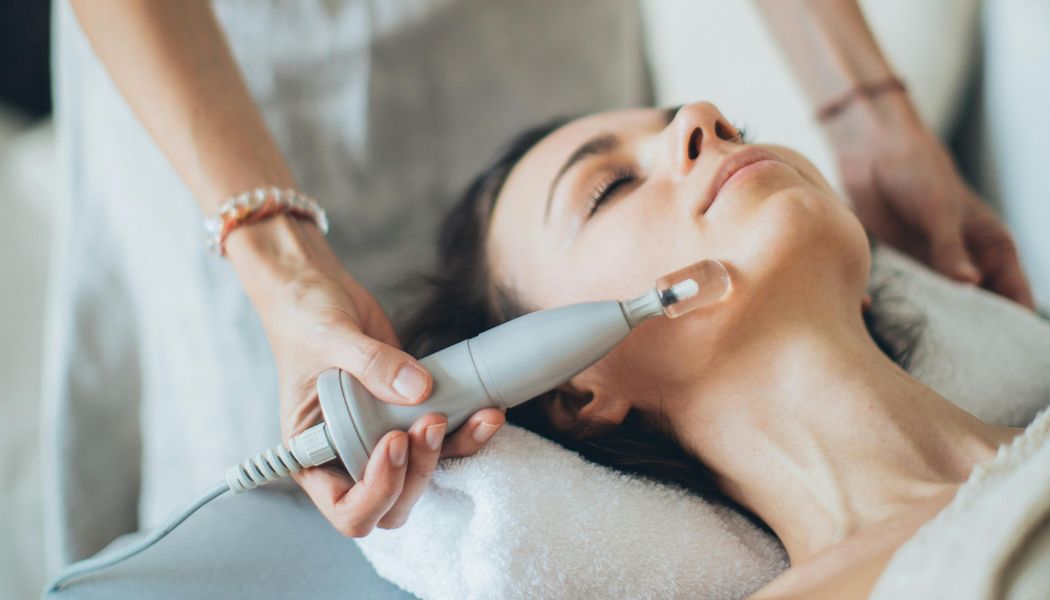
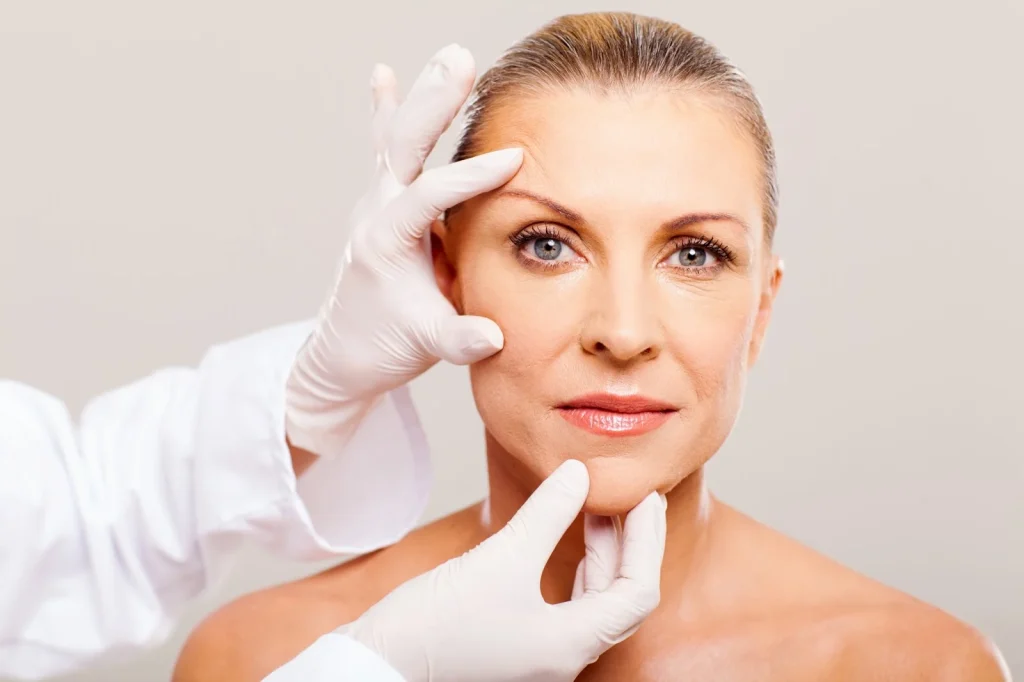
Non-surgical facelift procedures reshape facial contours and restore skin firmness using minimally invasive techniques with little to no downtime. These treatments address sagging skin, volume loss, and wrinkles using energy-based devices, threads, or injectable products to achieve natural-looking rejuvenation.
Modern aesthetic medicine offers multiple non-surgical approaches to facial lifting. Each procedure targets different aspects of ageing – some tighten existing collagen, others stimulate new collagen production, and certain treatments physically reposition tissues.
Non-surgical facelift procedures deliver noticeable improvements while preserving facial expressions and avoiding the extended recovery associated with traditional surgery. Results typically develop gradually over weeks to months as your skin responds to treatment.
High-Intensity Focused Ultrasound (HIFU)
HIFU technology delivers precise ultrasound energy to the SMAS layer – the same tissue layer surgeons manipulate during traditional facelifts. The focused energy creates controlled micro-injuries at depths of 1.5mm, 3.0mm, and 4.5mm, triggering collagen remodelling without affecting the skin surface.
During HIFU treatment, ultrasound waves bypass the epidermis and dermis to reach deeper structural layers. The thermal coagulation points created at specific depths cause immediate tissue contraction followed by long-term collagen regeneration. This dual action provides both instant tightening and progressive improvement over 3-6 months.
Treatment areas include the forehead, temples, cheeks, jawline, and neck. Most patients experience mild discomfort during energy delivery, often described as brief prickling sensations. A full-face treatment takes 60-90 minutes and yields results that last 12-18 months, depending on individual ageing processes.
The lifting effect becomes evident as new collagen forms and existing fibres reorganise. Peak results typically occur at 3 months post-treatment, with continued improvement possible through 6 months. Skin appears firmer and more lifted, with improved definition along the jawline and reduced sagging in the lower face.
Thread Lifts
Thread lift procedures use dissolvable sutures with tiny barbs or cones to physically lift and reposition sagging facial tissues. These medical-grade threads, typically made from polydioxanone (PDO) or poly-L-lactic acid (PLLA), provide immediate mechanical lifting while stimulating collagen production along their course of placement.
The procedure involves inserting threads through small entry points using fine needles or cannulas. Once positioned, the threads anchor into tissue and create vectors of lift when pulled. The barbed design allows threads to grip tissue effectively, maintaining the lifted position as natural healing occurs around the suture material.
PDO threads dissolve within 6-8 months, while PLLA threads last 12-18 months. Both materials trigger fibroblast activity and collagen synthesis throughout their presence in tissue. Even after thread dissolution, the newly formed collagen maintains some lifting effect for several additional months.
Thread placement patterns vary based on individual anatomy and desired outcomes. Common configurations include vertical vectors for jowl lifting, horizontal placement for mid-face elevation, and mesh patterns for skin tightening. Combining different thread types and techniques enables customised treatment that addresses multiple facial zones simultaneously.
Radiofrequency Treatments
Radiofrequency (RF) energy heats dermal and subdermal tissues to temperatures between 40-45°C, causing immediate collagen contraction and triggering fibroblast activation. This controlled heating remodels existing collagen while stimulating new fibre production over subsequent weeks.
Monopolar RF penetrates deeply, reaching the reticular dermis and subcutaneous layer where structural collagen resides. Bipolar configurations offer more superficial heating suitable for fine lines and texture improvement. Modern devices often combine both modalities or incorporate microneedling to enhance outcomes.
Treatment protocols typically involve multiple passes over target areas, with real-time temperature monitoring ensuring therapeutic heating without damage. Sessions last 30-60 minutes, depending on treatment areas. Most patients report a warm sensation, similar to a hot-stone massage, during the procedure.
Skin tightening from RF develops progressively as collagen remodelling occurs. Initial improvement appears within 2-4 weeks, with optimal results at 3-6 months post-treatment. Regular maintenance sessions every 6-12 months help sustain the lifting effect as natural ageing continues.
Injectable Treatments for Facial Lifting
Strategic placement of dermal fillers provides structural support, lifting sagging tissues and restoring youthful facial proportions. Hyaluronic acid fillers placed along the cheekbones, temples, and jawline provide immediate volume that elevates overlying skin and reduces the appearance of jowls and nasolabial folds.
The liquid facelift technique uses multiple injection points to create scaffolding that supports facial tissues. Deep placement on bone provides foundation, while superficial injections smooth wrinkles and enhance contours. This layered approach achieves natural-looking lift without overfilling any single area.
Biostimulatory injectables, such as Sculptra (poly-L-lactic acid), work differently by gradually stimulating collagen production rather than providing immediate volume. These treatments require multiple sessions spaced 4-6 weeks apart, with results developing over 3-6 months and lasting up to 2 years.
Combining neurotoxins with fillers enhances lifting results. Precise botulinum toxin placement relaxes muscles that pull facial features downward while strengthening elevator muscles. This rebalancing creates a subtle lift in the brows, corners of the mouth, and neck bands without producing a frozen expression.
Combination Approaches
Layering different non-surgical treatments addresses multiple aspects of facial ageing simultaneously. HIFU provides deep-tissue tightening; threads provide mechanical lift; RF improves skin quality; and injectables restore volume and structure. This multimodal approach yields more comprehensive results than any single treatment.
Treatment sequencing matters for optimal outcomes. Initiating with energy-based treatments such as HIFU or RF establishes a foundation for collagen stimulation. Adding threads 2-3 months later maximises lifting once initial tightening occurs. Injectable treatments can be performed immediately before or after other procedures, depending on the specific products used.
? Did You Know?
The SMAS (Superficial Musculo-Aponeurotic System) layer targeted by HIFU contains fibrous tissue that connects facial muscles to skin. This anatomical structure acts like internal suspenders, making it an important target for both surgical and non-surgical lifting procedures.
Maintenance protocols combine different modalities based on individual ageing patterns. Patients with primarily skin laxity might alternate between HIFU and RF treatments. Those with volume loss benefit from regular filler touch-ups combined with collagen-stimulating procedures. Thread lifts can be repeated as needed when previous threads have dissolved.
Recovery timelines vary by treatment combination. Energy-based procedures typically cause mild redness that lasts for hours to days. Thread lifts may result in swelling and bruising for 5-7 days. Injectable treatments can cause immediate swelling that subsides within 48-72 hours. Planning combination treatments requires considering cumulative downtime.
Putting This Into Practice
- Schedule consultations to assess your facial anatomy and discuss which combination of treatments addresses your specific concerns
- Plan your treatment timeline working backwards from important events, allowing adequate recovery and time for results to develop
- Document your starting point with standardised photos to track improvements objectively
- Maintain results with targeted skincare, including retinoids, vitamin C, and broad-spectrum sunscreen
- Consider spacing treatments strategically – energy-based procedures in cooler months when sun exposure is limited, injectables before social seasons
When to Seek Professional Help
- Significant facial asymmetry requiring detailed assessment
- Skin laxity affects daily activities like eating or vision
- Previous facial procedures required specialized treatment planning
- Unexplained facial volume loss or rapid ageing changes
- Reactions to previous aesthetic treatments
- Medical conditions affecting healing or treatment suitability
Commonly Asked Questions
How long do non-surgical facelift results last?
Results vary by treatment type: HIFU effects last 12-18 months, thread lifts maintain results for 12-24 months, RF treatments show improvement for 6-12 months, and dermal fillers last 6-24 months, depending on the product. Individual factors like skin quality, lifestyle, and ageing rate influence duration.
Can I combine non-surgical facelifts with other aesthetic treatments?
Most non-surgical facelift procedures complement other aesthetic treatments well. Chemical peels, laser resurfacing, and medical-grade facials can enhance results by improving skin texture and tone. The timing between treatments depends on the specific procedures; your practitioner will create an appropriate schedule.
What’s the typical recovery time for non-surgical facelifts?
Recovery varies significantly between procedures. HIFU and RF treatments typically require no downtime beyond temporary redness. Thread lifts may cause swelling and bruising for 5-7 days, with activity restrictions in place. Injectable treatments typically permit immediate return to normal activities, with minor swelling for 24-48 hours.
How do I choose between different non-surgical facelift options?
Selection depends on your primary concerns, anatomy, and lifestyle. Skin laxity without volume loss responds well to HIFU or threads. Combined laxity and volume depletion benefits from injectables plus energy-based treatments. Your practitioner will assess tissue quality, bone structure, and ageing patterns during consultation.
Are non-surgical facelifts suitable for all ages?
Treatment suitability depends more on skin condition than chronological age. Patients in their 30s might benefit from preventive treatments, while those in their 60s with good skin quality can achieve good results. Severe laxity or significant volume loss may require surgical intervention for optimal outcomes.
Next Steps
Non-surgical facelift procedures provide customizable options for facial rejuvenation with minimal downtime. These procedures work synergistically to address multiple signs of ageing while maintaining natural facial movement and expression.
If you’re experiencing facial sagging, volume loss, or decreased skin firmness as mentioned in this article, our aesthetic doctors can provide a comprehensive evaluation and a personalised treatment plan.