Dermal Fillers Under Eyes
Under-eye hollows create shadows that make you appear tired regardless of sleep quality. The tear trough—the groove between your lower eyelid and cheek—naturally deepens with age as facial fat diminishes and skin loses elasticity. Dermal fillers under eyes restore volume to this area using hyaluronic acid-based gels injected beneath the skin.
The treatment addresses dark circles caused by volume loss rather than pigmentation. When hollowing creates shadows under your eyes, fillers lift the depression to create a smoother transition between your eyelid and cheek. This optical correction reduces the appearance of darkness without changing skin color.
Anatomy of Under-Eye Hollows
The tear trough forms where three facial structures meet: the orbicularis oculi muscle (surrounds the eye), the cheek fat pad, and the maxilla bone. Age-related changes affect each component differently.
Fat pads beneath the eyes shrink and descend over time. The orbicularis oculi muscle becomes more prominent as overlying tissue thins. Bone resorption in the maxilla reduces structural support. These combined changes create the characteristic hollow appearance.
Skin thickness in the under-eye area measures only 0.5mm—the thinnest on the entire face. This delicate tissue shows underlying structures more readily than thicker facial skin. Blood vessels become visible through thinning skin, contributing to dark coloration.
The inferior orbital rim, the bony edge of the eye socket, becomes more pronounced with age. As soft tissue volume decreases, this rim creates a distinct shadow line. Understanding this anatomy guides proper filler placement for natural-looking results.
Types of Under-Eye Fillers
Hyaluronic acid fillers dominate under-eye treatments due to their safety profile and reversibility. Different formulations offer varying properties suited to this delicate area.
Restylane uses NASHA technology (Non-Animal Stabilized Hyaluronic Acid) creating a firm gel that provides structural support. The smaller particle size allows smooth distribution in thin under-eye skin. Effects typically last 9-12 months.
Belotero Balance employs CPM (Cohesive Polydensified Matrix) technology for integration with surrounding tissue. Its low G-prime (measure of gel firmness) prevents visible lumps in superficial placement. Duration ranges from 6-9 months.
Juvederm Volbella contains the lowest hyaluronic acid concentration in the Juvederm line at 15mg/ml. Vycross technology creates long polymer chains that attract less water, minimizing swelling. Results persist for 12 months.
Teosyal Redensity II specifically targets the tear trough with a unique formulation including amino acids, antioxidants, minerals, and vitamins. The 15mg/ml concentration balances longevity with natural movement. Effects last 9-12 months.
? Did You Know?
Hyaluronic acid naturally occurs in your body, with the highest concentrations in your eyes and joints. Injectable fillers use a synthesized version that your body recognizes and gradually absorbs.
The Treatment Process
Initial consultation involves facial analysis using both direct visualization and photography. Your practitioner examines tear trough depth, skin quality, and the presence of eye bags. Some patients require fat pad repositioning surgery rather than fillers if bulging exceeds hollowing.
Pre-treatment preparation begins one week before your appointment. Discontinue blood-thinning supplements including fish oil, vitamin E, ginkgo biloba, and garlic. Avoid NSAIDs like ibuprofen and aspirin unless medically necessary. Arnica tablets started 3 days prior may reduce bruising.
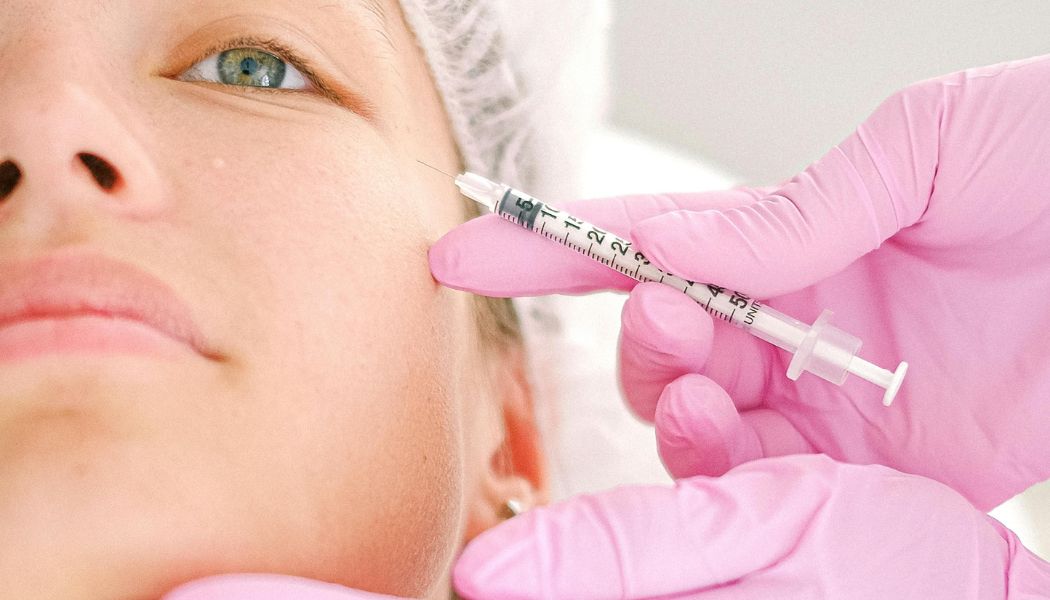
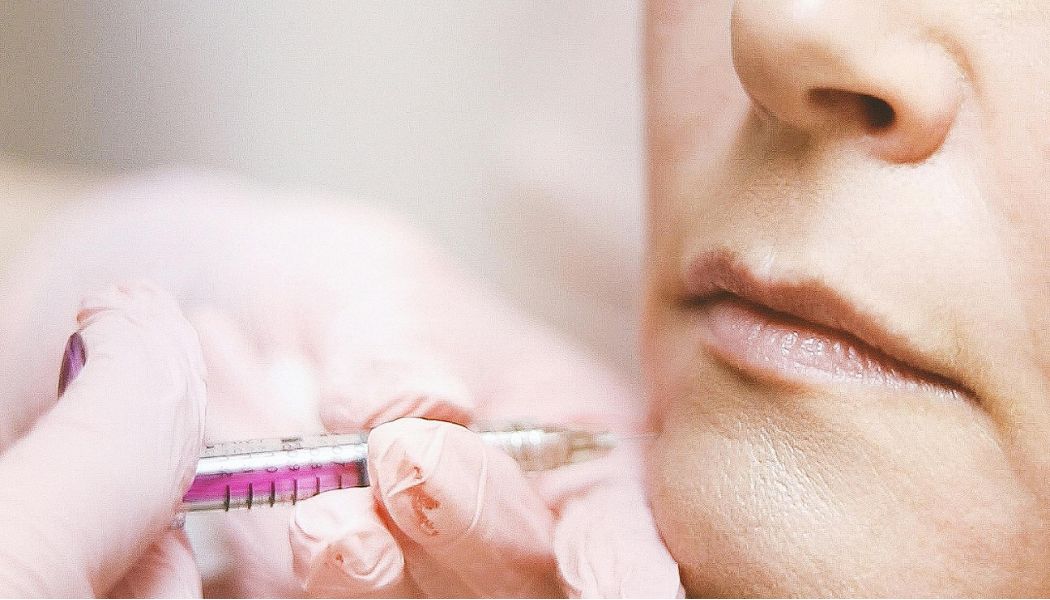
The injection process takes 15-30 minutes. After cleansing, topical anesthetic cream numbs the area for 20 minutes. Most fillers contain lidocaine for additional comfort. Your practitioner uses either needle or cannula technique based on your anatomy.
Needle technique involves multiple small injection points along the tear trough. Each deposit places filler precisely at the bone-skin interface. Cannula technique uses a single entry point with a blunt-tipped instrument that glides beneath the skin, potentially reducing bruising.
Post-treatment care starts immediately. Ice packs applied for 10 minutes reduce swelling. Sleep with your head elevated on two pillows for the first two nights. Avoid touching or massaging the area for 24 hours unless specifically instructed.
Recovery Timeline and Aftercare
Day 1-3: Swelling peaks during this period. The area may appear overfilled—this settles as excess fluid drains. Bruising, if present, appears purple or red. Continue ice application for 10 minutes every few hours while awake.
Day 4-7: Swelling subsides noticeably. Bruises transition to green-yellow hues. Concealer can camouflage discoloration. Gentle lymphatic drainage massage, if recommended by your practitioner, helps reduce fluid retention.
Day 8-14: Final results emerge as all swelling resolves. Any lumps or irregularities should be evaluated by your practitioner. Minor adjustments using hyaluronidase enzyme can dissolve excess filler if needed.
Week 3-4: Complete integration occurs. The filler attracts water molecules to maintain volume. Results appear natural with improved tear trough contour.
Avoid these activities for optimal healing:
- Strenuous exercise for 48 hours
- Saunas and steam rooms for one week
- Alcohol consumption for 24 hours
- Makeup application over injection sites for 12 hours
- Dental work for two weeks
- Facial treatments for one month
✅ Quick Tip
Photograph your results weekly during recovery. This documentation helps track normal healing progression and provides reference for future treatments.
Managing Potential Complications
Bruising affects many patients due to the vascular nature of the under-eye area. Severity varies based on individual factors and injection technique. Most bruises resolve within 7-10 days. Persistent discoloration beyond two weeks warrants follow-up.
The Tyndall effect creates a bluish tint when filler sits too superficially. Light refracts through the hyaluronic acid gel, causing this color change. Treatment involves dissolving the superficial filler with hyaluronidase or adding deeper filler to camouflage the effect.
Lumps and irregularities may appear immediately or develop over time. Early lumps often represent localized swelling that resolves spontaneously. Persistent lumps require evaluation to distinguish between filler accumulation and scar tissue formation.
Malar edema presents as swelling on the cheekbones below the treated area. This occurs when filler disrupts normal lymphatic drainage. Treatment includes lymphatic massage, diuretics in severe cases, or filler dissolution if conservative measures fail.
⚠️ Important Note
Vascular occlusion represents a serious complication. Immediate blanching (whitening) of skin, severe pain, or vision changes require emergency treatment. Contact your practitioner immediately if these symptoms occur.
What Our Aesthetic Doctor Says
“Patient selection determines treatment success more than technique. Ideal candidates have true volume loss rather than prominent fat pads. I examine patients both sitting and lying down since gravity affects tear trough appearance differently in each position.
The under-eye area forgives little. I prefer starting conservatively—adding more filler is simple, but removing excess requires enzyme injection. Most patients need only 0.5-1ml total for both sides. Overfilling creates an unnatural convexity that ages rather than rejuvenates.
I use cannula technique for most tear trough treatments. The blunt tip pushes aside blood vessels rather than piercing them, reducing bruising risk. Entry points hide within natural creases. Patients often comment they feel pressure but minimal pain.
Follow-up at two weeks allows assessment once swelling resolves completely. Minor asymmetries often self-correct, but I can make small adjustments if needed. I photograph all stages for comparison—patients sometimes forget their starting point once they see improvement.”
Putting This Into Practice
- Schedule consultations with multiple practitioners to compare approaches and see before-after photos of their actual patients. Look for consistent, natural results rather than dramatic transformations.
- Prepare your medical history including all medications, supplements, allergies, and previous facial treatments. Certain conditions like autoimmune disorders may affect your candidacy for fillers.
- Plan treatment timing around your social calendar. While many patients return to normal activities immediately, bruising remains unpredictable. Allow two weeks before important events.
- Start a skincare routine focusing on the under-eye area. Retinol products improve skin thickness and quality over time. Vitamin C serums address pigmentation contributing to dark circles. These topical treatments enhance filler results.
- Budget for maintenance treatments. Under-eye fillers require touch-ups as the product naturally degrades. Planning financially prevents gaps in treatment that necessitate starting over.
When to Seek Professional Help
- Hollow tear troughs creating persistent tired appearance
- Dark circles unresponsive to adequate sleep and skincare
- Volume loss making under-eye area appear sunken
- Visible veins or muscle through thinning under-eye skin
- Asymmetry between left and right tear troughs
- Deep grooves extending from inner corner of eye to mid-cheek
- Shadow formation under eyes in various lighting conditions
Commonly Asked Questions
How long do under-eye fillers really last?
Duration varies by product and individual metabolism. Most patients experience 9-12 months of improvement. Those with faster metabolisms or very active lifestyles may notice earlier degradation. Touch-ups at 8-9 months maintain results better than waiting for complete dissolution.
Can fillers make my eye bags worse?
Fillers address hollows, not bags. If you have prominent fat pads, adding filler below them accentuates the bulge. Proper assessment distinguishes between candidates for fillers versus those needing surgical fat repositioning. Some patients benefit from combining both approaches.
Will people notice I’ve had fillers?
Well-placed under-eye fillers create subtle refreshment rather than obvious change. Most observers notice you look rested without identifying the specific improvement. Conservative treatment respecting natural facial contours produces natural results.
Can under-eye fillers be completely dissolved?
Hyaluronic acid fillers dissolve completely with hyaluronidase enzyme injection. The enzyme breaks down both injected filler and a small amount of natural hyaluronic acid, which your body quickly replaces. Complete dissolution takes 24-48 hours.
Do under-eye fillers hurt more than other areas?
The under-eye area contains numerous sensory nerves, making it sensitive. However, topical anesthetic and lidocaine-containing fillers minimize discomfort. Most patients rate pain as 3-4 out of 10. The cannula technique generally causes less pain than multiple needle injections.
Next Steps
Under-eye dermal fillers offer non-surgical rejuvenation for tear trough hollowing. Good candidacy, conservative technique, and diligent aftercare support safe, natural-looking results.
If persistent under-eye hollows or shadows aren’t responding to skincare, our MOH-accredited aesthetic doctors can assess your concerns and recommend treatment options, including Singapore dermal fillers, tailored to your needs.