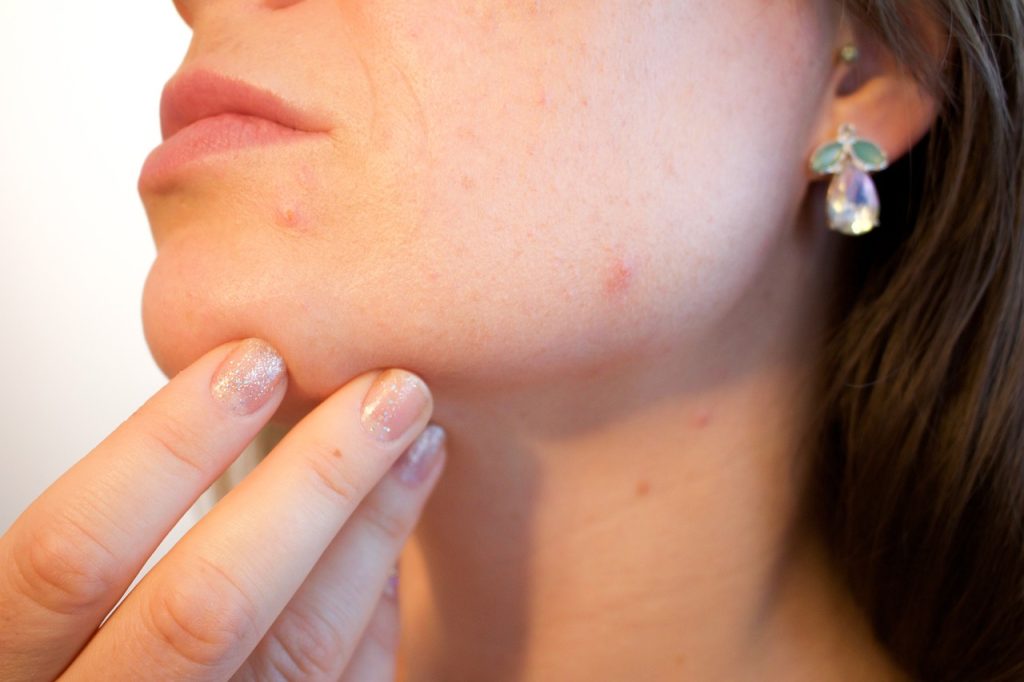
Pigmentation issues such as dark patches, sunspots, and uneven skin tone are common concerns for those seeking a clearer, more even complexion. Laser treatments offer an effective way to target and reduce these skin irregularities. In this article, we explain the treatment process, the technologies involved, what results you can expect, and the aftercare steps to help you prepare for your laser pigmentation treatment.
Types of Lasers Used for Pigmentation
To treat pigmentation concerns, a variety of laser technologies are used, each designed for a specific application and providing unique benefits.
Q-Switched Nd:YAG Lasers
These lasers deliver rapid, high-intensity pulses to break down melanin effectively. They are suitable for treating deep pigmentation and work well across a range of skin tones, including darker complexions. Adjustable wavelengths allow precise targeting of different depths of pigmentation while minimising damage to surrounding tissue.
Pulsed Dye Lasers
Ideal for vascular-related pigmentation issues such as redness associated with rosacea. These lasers emit yellow light, which is absorbed by haemoglobin in blood vessels, making them effective for pigmentation with a vascular component.
Fractional Lasers
These lasers create microscopic treatment zones in the skin, addressing pigmentation while promoting overall skin renewal. They can be either ablative (removing thin layers of skin) or non-ablative (heating the skin without removal), offering flexibility based on recovery preferences and the severity of pigmentation.
IPL (Intense Pulsed Light)
Though technically not a laser, IPL devices use multiple wavelengths to treat various pigmentation concerns simultaneously. They are particularly effective for superficial pigmentation and can address both pigment and vascular issues in one session.
The Treatment Process: Step by Step
Laser pigmentation treatment involves a structured process to ensure effective results and minimise risks. At a medical aesthetic clinic in Singapore, here’s what to expect before, during, and after the procedure.
Initial Consultation
The process begins with a detailed assessment of your skin condition, medical history, and treatment goals. The practitioner will examine your pigmentation using specialised lighting to determine the most suitable laser approach based on your specific concerns and skin type.
Pre-Treatment Preparation
Preparation is key to optimising results. You may be advised to avoid sun exposure, tanning beds, and skincare products containing retinol or acids for 1–2 weeks before treatment. In some cases, a pre-treatment regimen using tyrosinase inhibitors like hydroquinone or kojic acid may be recommended to enhance the effectiveness of the procedure.
During the Procedure
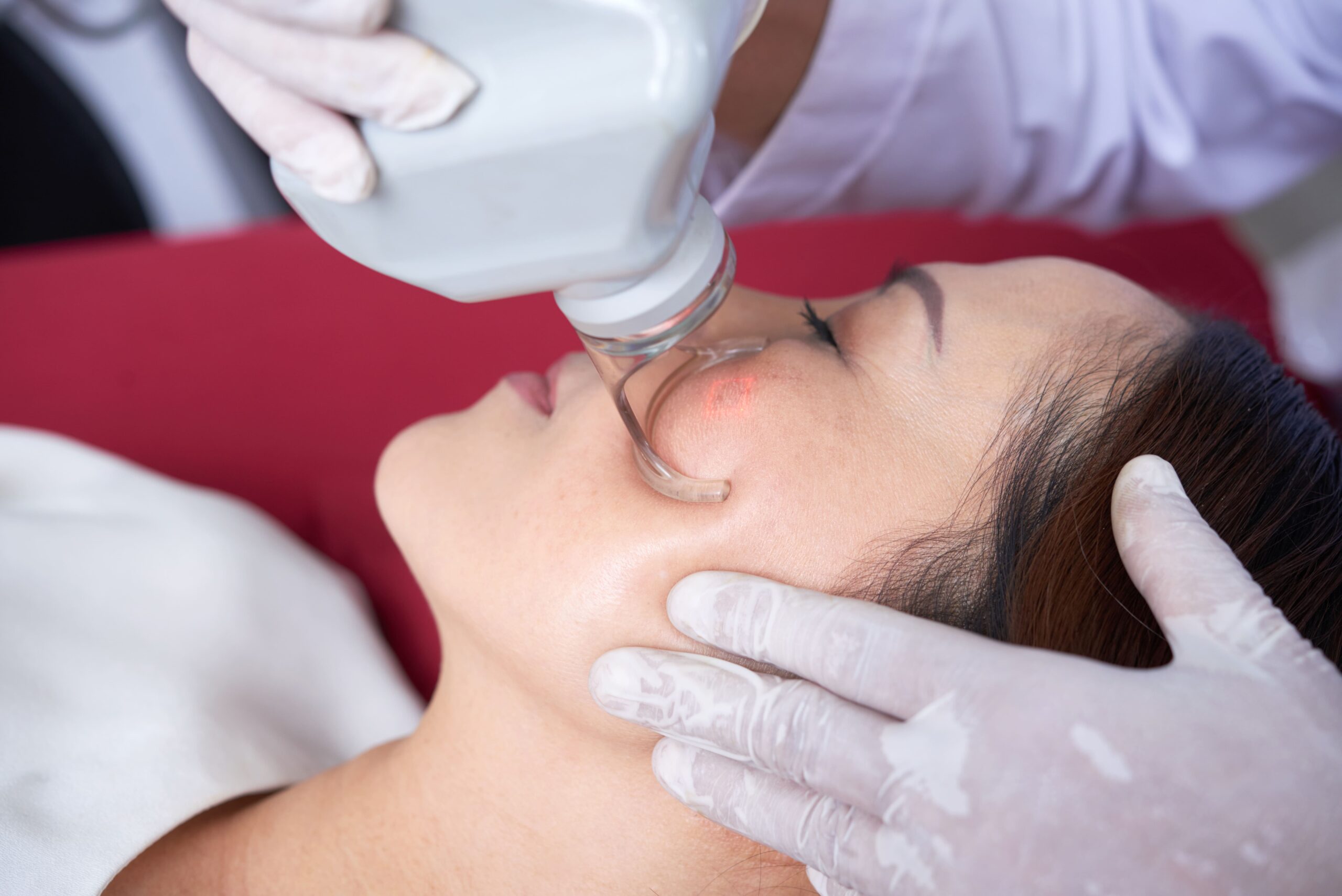
On the day of treatment, the practitioner will cleanse your skin and provide eye protection before applying the laser. Patients often describe the sensation as similar to mild pinpricks. The procedure typically lasts 15–30 minutes, depending on the size and location of the treated area.
Post-Treatment Care
After treatment, cooling gels or masks may be applied to soothe the skin. Common side effects include redness, mild swelling, or temporary darkening of pigmented areas, which gradually fade over time. Proper aftercare is required; sun protection becomes especially important during healing to avoid further pigmentation issues.
Expected Results and Timeline
The results of pigmentation treatment in Singapore vary depending on factors such as the type of pigmentation, skin tone, and the specific laser technology used.
Short-Term Changes
Immediately after treatment, pigmented areas may darken temporarily before gradually flaking off over the following days or weeks. This darkening indicates that the treatment is working, as the pigment rises to the surface before being eliminated naturally.
Gradual Improvement
Most patients notice visible improvement after 2–3 sessions, though deeper or more stubborn pigmentation may require additional treatments. Sessions are typically spaced 4–6 weeks apart to allow for proper healing and dispersion of pigment.
Maintenance Requirements
Results can be long-lasting with consistent sun protection and a proper skincare routine. However, hormonal pigmentation conditions like melasma may require periodic maintenance treatments, as they can recur due to hormonal fluctuations, sun exposure, or heat stimulation.
Aftercare for Optimal Results
Proper post-treatment care contributes to the success and longevity of laser pigmentation treatment results. Here’s how to care for your skin after the procedure:
Immediate Aftercare
- Keep the treated area clean and avoid picking or scratching as pigment rises to the surface. This helps prevent infection and supports natural healing.
- Apply soothing products such as aloe vera or prescribed recovery creams to calm the skin and reduce irritation.
- Avoid activities that generate heat, such as hot showers, saunas, or strenuous exercise, for 24–48 hours to minimise inflammation and discomfort.
Sun Protection
- Protecting your skin from UV exposure is necessary after laser treatment. Apply a broad-spectrum sunscreen with SPF 50+ daily, reapplying every two hours when outdoors.
- Use physical barriers like hats and protective clothing to further shield treated areas, as UV rays can trigger new pigmentation or darken healing skin.
Complementary Skincare
- Incorporate brightening ingredients such as vitamin C, niacinamide, or prescribed tyrosinase inhibitors into your skincare routine to enhance and maintain results. These ingredients help prevent new pigment formation while supporting recovery and improving skin tone.
By following these aftercare steps diligently, you can maximise the benefits of your laser treatment and achieve clearer, more even skin.
Conclusion
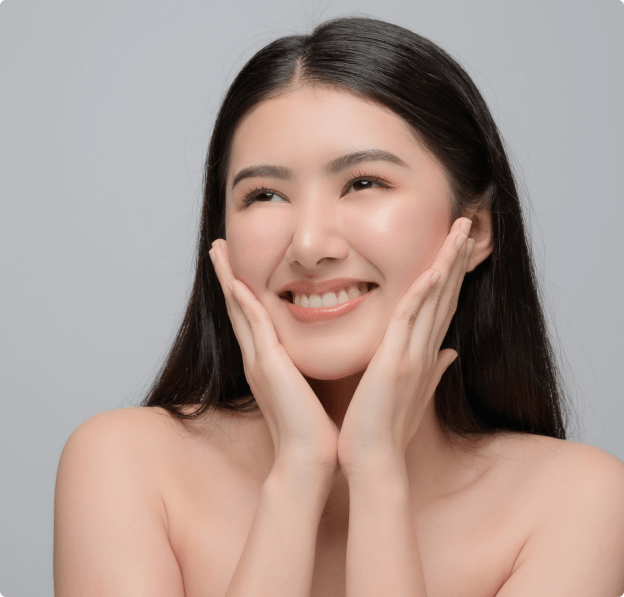
Laser treatment for pigmentation offers an effective solution for addressing uneven skin tone and dark spots. Most patients experience significant improvement with a series of treatments and proper aftercare. The technology allows for precise targeting of pigmented areas while preserving surrounding skin, with results developing gradually over several weeks following each session.
Schedule a consultation at Glowwis today to discover how our laser treatments can address your specific pigmentation concerns.